

Note for teachers using this lesson plan
Before this lesson, gather real examples of simple machines like a spoon, a bottle opener, child-safe blunt scissors, a toy car, and a small ramp (or a book leaned against a block). The central idea is for pupils to observe these tools and understand they help us do work more easily at home and school. Ensure all objects are safe for handling. Successful learning will be observed when pupils can point to a simple machine and name one way it helps us.
Class: Pre-School Level 2
Term: Third Term
Week: 3
Age: 3 years
Duration: 30 minutes
Subject: Pre-Science
Curriculum Theme: Not separately stated in the scheme.
Previous Lesson: Common Objects Around Us
Topic: Uses of Simple Machines at Home and School
Subject Matter: Simple Machines: Definition, Identification, and Uses at Home and School.
Specific Objectives
By the end of the lesson, pupils should be able to:
Cognitive Domain
- Define simple machines in simple terms.
- Identify common simple machines when shown pictures or real objects.
- Name at least one use for common simple machines at home and school.
Affective Domain
- Show curiosity about how different tools work.
- Participate actively in identifying and discussing simple machines.
Psychomotor Domain
- Point to specific simple machines when named.
- Demonstrate simple actions like scooping with a spoon or pushing a toy car up a ramp.
Social Domain
- Take turns when identifying objects and sharing ideas.
- Listen attentively to the teacher and peers.
Reference Materials
- NAPPS National Unified Teaching Scheme for Pre-School Level 2
- Early Childhood Care and Education resources
Instructional Materials
- Charts showing pictures of simple machines (e.g., spoon, scissors, ramp, wheel, bottle opener)
- Real objects: spoon, bottle opener, child-safe blunt scissors, toy car, small ramp (e.g., a piece of cardboard or wood), jar with a lid.
- Video clip on simple machines for children.
Rationale for the Lesson
This lesson introduces young children to the concept of simple machines, which are everyday tools that make tasks easier. Understanding these basic tools helps pupils observe their environment more keenly and appreciate how common objects around them function, fostering early scientific thinking and problem-solving skills.Prerequisite/Previous Knowledge
Pupils can identify and name many common objects found at home and school.Lesson Content/Board Summary
Uses of Simple Machines at Home and School
What are Simple Machines?
Simple machines are tools that help us do work easily. They make tasks simpler and faster.
Examples of Simple Machines and Their Uses:
- Spoon: Helps us scoop food and stir drinks. (Used at home)
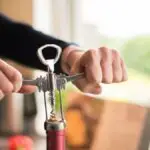
- Bottle Opener: Helps us open bottles easily. (Used at home)
- Scissors: Helps us cut paper, fabric, or other materials. (Used at home and school, with supervision)
- Ramp (like a slide): Helps us move things up or down easily, or play. (Used at home and school)
- Wheels (on a toy car or tricycle): Helps things move from one place to another. (Used at home and school)
- Jar Lid (a type of screw): Helps us close jars tightly to keep things fresh. (Used at home)
Key Words
- Simple machine – a tool that helps us do work easily.
- Spoon – a tool for eating and stirring.
- Scissors – a tool for cutting.
- Ramp – a sloping surface that helps move things up or down.
- Wheel – a round object that helps things move.
- Opener – a tool that helps open things.
Simple Machines Song
Tune: “Twinkle, Twinkle Little Star”
Lyrics:
Simple machines, oh what fun,
Help us work till day is done.
Spoon to scoop and scissors cut,
Ramps help things move, no need to strut.
Wheels go round and round, you see,
Simple machines help you and me!
Actions: Mimic scooping with a spoon, cutting with scissors, pushing hands up a ramp, making circular motions with hands for wheels.
Watch and Learn About Simple Machines
💡 Teacher Guide for Using This Board Summary
How to teach the content: Introduce the concept of “simple machines” as “tools that help us do things easily.” Show each real object one by one, asking “What is this?” and “What do we use it for?” Emphasize how each tool makes a task simpler. Use the charts to reinforce the visual identification.
What to show or demonstrate: Demonstrate the use of each real simple machine (e.g., scoop with the spoon, pretend to cut with the blunt scissors, push a toy car up the ramp, open a bottle with the opener, twist a jar lid). Allow pupils to safely handle and explore the objects under close supervision.
How to use the rhyme/song: Sing the “Simple Machines Song” together. Encourage pupils to perform the actions as they sing. Repeat the song several times to help them remember the examples and the idea that these tools help us.
How to use the video: Introduce the video as a fun way to see more simple machines. Play the video “Simple Machines for Kids” (Homeschool Pop). After watching, ask pupils to name one simple machine they saw in the video or one way it helps people.
What to watch for: Observe if pupils can correctly identify the objects and link them to their uses. Watch for their engagement during demonstrations and song activities. Correct any misconceptions gently by re-demonstrating or re-explaining.
Teaching Methods/Instructional Techniques
- Play-based Learning
- Demonstration
- Guided Practice
- Songs and Rhymes
- Picture Talk
- Question and Answer
- Manipulation of Objects
- Repetition
Instructional Procedures
Step 1: Introduction
Time: 3 minutes
Teaching Skill: Greeting/Engaging
Teacher’s Activity: The teacher greets the pupils warmly and leads them in a short “Good Morning” song. The teacher then asks, “Who likes to play with toys? Who likes to help mummy or daddy at home?”
Pupils’ Activity: Pupils respond to greetings, sing along, and raise their hands to answer the questions.
Learning Point: Pupils are settled and engaged, connecting to familiar home activities.
Step 2: Exploring Simple Machines
Time: 5 minutes
Teaching Skill: Observation/Identification
Teacher’s Activity: The teacher brings out the real objects (spoon, bottle opener, scissors, toy car, ramp, jar). The teacher shows each object and asks, “What is this? What do we use it for?”
Pupils’ Activity: Pupils observe the objects, name them, and try to say what they are used for.
Learning Point: Pupils identify common objects and recall their basic uses.
Step 3: Introducing Simple Machines Concept
Time: 4 minutes
Teaching Skill: Explanation/Concept Introduction
Teacher’s Activity: The teacher explains, “All these tools we just saw are called ‘simple machines.’ They are simple machines because they help us do work easily and quickly!” The teacher repeats the phrase “Simple machines help us do work easily.”
Pupils’ Activity: Pupils listen and repeat “Simple machines help us do work easily” after the teacher.
Learning Point: Pupils understand the basic definition of simple machines.
Step 4: Uses at Home
Time: 5 minutes
Teaching Skill: Demonstration/Guided Practice
Teacher’s Activity: The teacher focuses on simple machines used at home. “Look at the spoon. Mummy uses it to scoop food. It makes eating easy!” (Teacher demonstrates). “This bottle opener helps daddy open drinks easily.” (Teacher demonstrates). “This jar lid helps us close jars tightly.” (Teacher demonstrates). The teacher asks pupils to mimic the actions.
Pupils’ Activity: Pupils watch the demonstrations, name the objects, and mimic the actions of scooping, opening, and twisting.
Learning Point: Pupils identify simple machines and their uses in a home setting.
Step 5: Uses at School
Time: 4 minutes
Teaching Skill: Application/Contextualization
Teacher’s Activity: The teacher focuses on simple machines used at school. “These scissors help us cut paper at school.” (Teacher demonstrates safe cutting). “This slide is like a ramp, it helps us play and slide down fast!” (Teacher points to a picture or actual slide). “The wheels on our tricycle help us ride around the compound.” (Teacher shows toy car/tricycle). The teacher asks pupils to identify where they see these at school.
Pupils’ Activity: Pupils watch, point to pictures, and name uses of simple machines at school.
Learning Point: Pupils identify simple machines and their uses in a school setting.
Step 6: Song and Video Reinforcement
Time: 5 minutes
Teaching Skill: Reinforcement/Engagement
Teacher’s Activity: The teacher leads pupils in singing the “Simple Machines Song” with actions. Then, the teacher introduces and plays the short video about simple machines. After the video, the teacher asks, “What simple machine did you see in the video?”
Pupils’ Activity: Pupils sing the song with actions and watch the video. They try to name a simple machine they saw.
Learning Point: Pupils reinforce their understanding through song and visual media.
Step 7: Evaluation/Review
Time: 4–5 minutes
Teaching Skill: Questioning/Assessment
Teacher’s Activity: The teacher checks pupils’ understanding through short questions and practical tasks.
- “What do we call tools that help us do work easily?”
- (Hold up a spoon) “What is this? What do we use it for?”
- (Hold up scissors) “What is this? What do we use it for at school?”
- “Can you point to something in the classroom that has wheels?”
Pupils’ Activity: Pupils respond orally and demonstrate the required skill where appropriate.
Learning Point: Pupils demonstrate understanding of the lesson.
Step 8: Conclusion
Time: 2 minutes
Teaching Skill: Summarizing/Praise
Teacher’s Activity: The teacher praises the pupils for their participation and good work. The teacher reminds them that simple machines are all around us, helping us every day. The teacher leads a short goodbye song.
Pupils’ Activity: Pupils listen, respond to praise, and sing the goodbye song.
Learning Point: Pupils feel accomplished and remember the main idea of the lesson.
Lesson Keywords
- Simple machine – a tool that helps us do work easily.
- Spoon – a tool for eating and stirring.
- Scissors – a tool for cutting.
- Ramp – a sloping surface that helps move things up or down.
- Wheel – a round object that helps things move.
- Opener – a tool that helps open things.
Differentiation
- Support: For pupils who need extra help, provide larger pictures of simple machines. Use hand-over-hand guidance to help them point to the correct objects. Repeat the names and uses slowly and clearly.
- Extension: For pupils who grasp the concept quickly, ask them to identify another simple machine they might see at home or on the playground, beyond the ones discussed in class.
Community Join the conversation Open discussion +