

Note for teachers using this lesson plan
Before this lesson, prepare a variety of safe, small items for pupils to experience with their senses: a small piece of orange or biscuit for taste, a flower or perfume for smell, a small bell for hearing, a soft cloth and a smooth stone for touch, and pictures or actual objects placed at varying distances or orientations for sight. The central idea is for pupils to identify the five sense organs and understand their basic uses, with a specific focus on using their eyes to observe objects and their tongue for taste. Ensure all tasting items are safe and check for any allergies beforehand. Successful learning will be observed when pupils can point to a sense organ and name its function, or describe an object using one of their senses.
Class: Pre-School Level 2
Term: Second Term
Week: 4
Age: 3 years
Duration: 30 minutes
Subject: Pre-Science
Curriculum Theme: Not separately stated in the scheme.
Previous Lesson: Identifying parts of the body.
Topic: SENSE OF TASTE AND USING THE FIVE SENSE ORGANS
Subject Matter: IDENTIFYING the SENSES, the ORGANS and THEIR USES. The Sense of Sight: Eyes. The Sense of Smell: Nose. The Sense of Hearing: Ears. The Sense of Touch: Skin. The Sense of Taste: Tongue. Weekly focus: Sense of Taste and Using the Five Sense Organs.
Specific Objectives
By the end of the lesson, pupils should be able to:
Cognitive Domain
- Identify the five sense organs (eyes, nose, ears, skin, tongue).
- Name the primary use of each sense organ.
- Describe objects as near, far, straight, or bent using their sense of sight.
- State different tastes like sweet, sour, or salty.
Affective Domain
- Show curiosity about how their senses work.
- Participate actively in sensory exploration activities.
Psychomotor Domain
- Point to their own sense organs when named.
- Demonstrate the use of each sense organ (e.g., sniffing with nose, touching with hand).
- Colour pictures of sense organs.
Social Domain
- Take turns sharing observations during group activities.
- Listen respectfully to their classmates’ responses.
Reference Materials
- NAPPS National Unified Teaching Scheme for Pre-School Level 2
- Early Childhood Care and Education resources
- Suitable early-years pre-science workbook
Instructional Materials
- Charts showing the five sense organs and their functions
- Posters with pictures of objects (e.g., near/far, straight/bent lines)
- Video clips about the five senses
- Real objects for sensory experience:
- Taste: Small pieces of orange, biscuit, a pinch of salt (all safe and non-allergenic)
- Smell: A flower, a small bottle of perfume, a piece of onion (teacher holds)
- Hearing: A small bell, clapping hands
- Touch: A soft feather, a smooth stone, a piece of sandpaper
- Sight: Pictures of a tree far away and a flower near, a ruler (straight) and a bent wire
- Crayons and colouring sheets with outlines of sense organs
Rationale for the Lesson
Learning about the five senses helps Pre-School Level 2 pupils understand how they interact with the world around them. It encourages them to observe, explore, and describe their environment, which is crucial for their cognitive and language development. This lesson connects directly to their daily experiences, helping them make sense of what they see, hear, smell, taste, and touch.
Prerequisite/Previous Knowledge
Pupils can already identify some basic parts of their body and may have some experience describing simple objects.
Lesson Content/Board Summary
SENSE OF TASTE AND USING THE FIVE SENSE ORGANS
We have five special body parts called sense organs that help us know about the world.
The Five Sense Organs and Their Uses:
- Eyes: Help us to see. We see colours, shapes, people, and things. Our eyes help us tell if something is near or far, and if a line is straight or bent.
- Nose: Helps us to smell. We smell sweet flowers, tasty food, and sometimes bad smells.
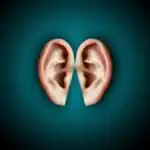
- Ears: Help us to hear. We hear music, people talking, birds singing, and loud noises.
- Skin: Helps us to touch and feel. Our skin (especially on our hands) helps us feel if something is soft, hard, hot, cold, smooth, or rough.
- Tongue: Helps us to taste. Our tongue helps us know if food is sweet, sour, bitter, or salty.
Key Words
- Taste – To know the flavour of food using your tongue.
- Sense Organs – Special body parts that help us know about the world (eyes, nose, ears, skin, tongue).
- Near – Close to us.
- Far – A long way from us.
- Straight – Not bent or curved.
- Bent – Curvy or not straight.
The Five Senses Rhyme
Tune: Twinkle, Twinkle Little Star
My eyes help me to see, see, see,
All the things around for me.
My nose helps me to smell, smell, smell,
Good and bad, I can tell.
My ears help me to hear, hear, hear,
Sounds so loud and sounds so clear.
My hands help me to touch, touch, touch,
How I love them very much.
My tongue helps me to taste, taste, taste,
No good food I will waste!
Actions: Point to each sense organ as it is named in the rhyme. For “see, see, see” make binoculars with hands, for “smell, smell, smell” sniff, for “hear, hear, hear” cup ears, for “touch, touch, touch” rub hands together, for “taste, taste, taste” lick lips.
Watch and Learn About Our Senses
💡 Teacher Guide for Using This Board Summary
How to teach the content: Introduce each sense organ one by one, asking pupils to point to their own. Explain its function using simple language and demonstrate with real objects. Start with the tongue and taste, as it is a weekly focus, then move to eyes and sight, linking to the observation activity. Use the charts and posters to show clear pictures of the sense organs and examples of their uses.
What to show or demonstrate: Hold up a small piece of orange and ask pupils to taste it (if permitted and safe), asking “Is it sweet or sour?” Do the same for other items for smell, sound, and touch. For sight, use the pictures or actual objects to demonstrate “near” (hold close), “far” (point across the room), “straight” (show a ruler), and “bent” (show a bent wire).
How to use the rhyme/song: Sing the “Five Senses Rhyme” together, encouraging pupils to perform the actions. Repeat it 2-3 times to help them memorise the senses and their functions. Use it as a transition or energy break.
How to use the video: Introduce the video as a fun way to learn about our senses. Play the video once for pupils to watch. After watching, discuss what they saw and heard, asking them to name the senses and their uses as shown in the video. Encourage them to sing along or do the actions if the video includes them.
What to watch for: Observe if pupils can correctly identify and point to their sense organs. Listen for their ability to describe tastes and objects (near/far, straight/bent). Correct any misconceptions gently and reinforce correct answers with praise.
Teaching Methods/Instructional Techniques
- Play-based Learning
- Demonstration
- Guided Practice
- Songs and Rhymes
- Picture Talk
- Question and Answer
- Manipulation of Objects
- Repetition
- Practical Activity
- Video Learning
Instructional Procedures
Step 1: Introduction
Time: 3 minutes
Teaching Skill: Engaging/Recalling
Teacher’s Activity: The teacher greets pupils and leads them in a familiar “Head, Shoulders, Knees, and Toes” song to warm up and recall body parts.
Pupils’ Activity: Pupils greet the teacher and sing along, touching their body parts as named.
Learning Point: Pupils are engaged and recall names of body parts.
Step 2: Introducing the Sense Organs (Taste Focus)
Time: 5 minutes
Teaching Skill: Introducing/Demonstrating
Teacher’s Activity: The teacher introduces the concept of “sense organs” as special body parts that help us know about the world. The teacher starts with the tongue, explaining it helps us taste. The teacher offers small, safe pieces of orange/biscuit/salt for pupils to taste (one at a time, with supervision) and asks, “How does it taste?”
Pupils’ Activity: Pupils listen, point to their tongue, taste the food items, and describe the taste (e.g., “sweet,” “sour,” “salty”).
Learning Point: Pupils identify the tongue as a sense organ for taste and describe different tastes.
Step 3: Exploring Other Sense Organs (Sight, Smell, Hearing, Touch)
Time: 7 minutes
Teaching Skill: Demonstrating/Guiding
Teacher’s Activity: The teacher introduces the other sense organs: eyes, nose, ears, and skin. For each, the teacher shows an object and asks, “What does this body part help us do?”
- Eyes: Shows pictures/objects (e.g., a flower, a book) and asks, “What do your eyes help you do?”
- Nose: Holds a flower or perfume and asks, “What does your nose help you do?”
- Ears: Rings a bell or claps hands and asks, “What do your ears help you do?”
- Skin: Lets pupils touch a soft feather and a smooth stone and asks, “What does your skin help you do?”
Pupils’ Activity: Pupils point to their eyes, nose, ears, and skin. They observe the objects, participate in the sensory experiences, and respond to the teacher’s questions about the function of each sense organ.
Learning Point: Pupils identify the remaining sense organs and their basic uses.
Step 4: Focusing on Sight: Observing Objects
Time: 4 minutes
Teaching Skill: Guiding Observation
Teacher’s Activity: The teacher guides pupils to use their eyes to observe objects. The teacher shows pictures or actual objects and asks:
- “Is this tree near or far?” (pointing to a far-away tree picture)
- “Is this flower near or far?” (holding a flower close)
- “Is this line straight or bent?” (showing a ruler and a bent wire)
Pupils’ Activity: Pupils look at the pictures/objects and respond “near,” “far,” “straight,” or “bent” as guided by the teacher.
Learning Point: Pupils use their sense of sight to describe objects based on distance and shape.
Step 5: Reinforcing with Rhyme and Video
Time: 5 minutes
Teaching Skill: Reinforcing/Engaging
Teacher’s Activity: The teacher leads pupils in singing the “Five Senses Rhyme” with actions. Then, the teacher plays a short video clip about the five senses, encouraging pupils to watch and listen.
Pupils’ Activity: Pupils sing the rhyme with actions and watch the video attentively.
Learning Point: Pupils reinforce their understanding of the five senses through song and visual aids.
Step 6: Practical Application: Colouring Sense Organs
Time: 5 minutes
Teaching Skill: Guiding/Creativity
Teacher’s Activity: The teacher distributes colouring sheets with outlines of the five sense organs. The teacher guides pupils to colour the pictures beautifully, reminding them which body part is which.
Pupils’ Activity: Pupils colour the pictures of the sense organs.
Learning Point: Pupils apply their knowledge by identifying and colouring the sense organs.
Step 7: Evaluation/Review
Time: 4–5 minutes
Teaching Skill: Questioning/Assessment
Teacher’s Activity: The teacher checks pupils’ understanding through short questions and practical tasks.
- “What do your eyes help you do?”
- “Point to your nose. What does it help you do?”
- “If something is sweet, which body part tells you that?”
- “Show me something near you. Show me something far.”
- “Is this line straight or bent?” (Teacher shows an example)
Pupils’ Activity: Pupils respond orally and demonstrate the required skill where appropriate.
Learning Point: Pupils demonstrate understanding of the lesson.
Step 8: Conclusion
Time: 1 minute
Teaching Skill: Summarising
Teacher’s Activity: The teacher praises pupils for their participation and reminds them that their senses help them learn about everything around them. The teacher leads a short goodbye song.
Pupils’ Activity: Pupils respond to the teacher and sing the goodbye song.
Learning Point: Pupils feel a sense of accomplishment and consolidate learning.
Lesson Keywords
- Eyes – Body parts for seeing.
- Nose – Body part for smelling.
- Ears – Body parts for hearing.
- Skin – Body part for touching and feeling.
- Tongue – Body part for tasting.
- Taste – To know the flavour of food.
- Near – Close by.
- Far – A long distance away.
- Straight – Not curved.
- Bent – Curved or not straight.
Differentiation
- Support: For pupils who need extra help, provide larger pictures of sense organs and objects. Use hand-over-hand guidance for pointing. Repeat instructions slowly and clearly. Focus on identifying just two or three sense organs and their main use. Provide fewer tasting options.
- Extension: For pupils who grasp the concepts quickly, ask them to name another object they can see that is far away, or another food that tastes sour. Encourage them to describe an object using two different senses (e.g., “The flower is red and smells sweet”).

Community Join the conversation Open discussion +