

Note for teachers using this lesson plan
Before this lesson, please gather a variety of real fruits like oranges and pawpaws, along with charts or posters depicting different fruits and their plants. The central idea for pupils to grasp is that fruits are healthy foods that come from plants. Observe if pupils can point to and name common fruits, and understand that they grow on plants or trees.
Class: Pre-School Level 2
Term: First Term
Week: 3
Age: 3 years
Duration: 30 minutes
Subject: Pre-Science
Curriculum Theme: Not separately stated in the scheme.
Previous Lesson: Identification of some living things.
Topic: FRUITS: MEANING, IDENTIFICATION AND SOURCES
Subject Matter: LIVING THINGS: FRUITS Meaning of Fruits, Identification of Fruits. Weekly focus: Fruits: Meaning, Identification and Sources.
Specific Objectives
By the end of the lesson, pupils should be able to:
Cognitive Domain
- State the simple meaning of fruits.
- Identify several common fruits from charts, posters, and real examples.
- Mention that fruits come from plants or trees.
Affective Domain
- Show interest in learning about different fruits.
- Appreciate the importance of fruits for health.
Psychomotor Domain
- Point to specific fruits when named.
- Recite a simple rhyme about fruits with actions.
- Colour drawings of different fruits.
Social Domain
- Participate actively in group activities and discussions.
Reference Materials
- NAPPS National Unified Teaching Scheme for Pre-School Level 2
- Early Childhood Care and Education resources
Instructional Materials
- Real fruits (e.g., orange, pawpaw, banana, apple)
- Charts and posters showing various fruits
- Pictures of fruit plants/trees (e.g., orange tree, pawpaw tree)
- MP4 Player (or projector/tablet) for video playback
- Crayons
- Drawing sheets with outlines of different fruits
Rationale for the Lesson
Learning about fruits at this age helps pupils understand where their food comes from and encourages healthy eating habits. It also introduces them to basic concepts of living things and nature, connecting their daily experiences with the natural world.Prerequisite/Previous Knowledge
Pupils can identify some common objects around them and know a few basic colours. They may have eaten some fruits at home.Lesson Content/Board Summary
FRUITS: MEANING, IDENTIFICATION AND SOURCES
What are Fruits?
Fruits are the sweet, juicy, and often colourful parts of plants that we eat. They are very good for our bodies and help us grow strong and healthy.
Identifying Fruits
We can identify fruits by looking at their shape, colour, and sometimes by their taste or smell. Some common fruits are:
- Orange: Round, orange, juicy.
- Pawpaw: Oval, yellow/orange, soft flesh.
- Banana: Long, yellow, easy to peel.
- Apple: Round, red/green, crunchy.
- Mango: Oval, yellow/green, very sweet.
Where Do Fruits Come From? (Sources)
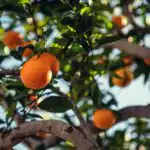
Fruits grow on plants! Many fruits grow on big plants called trees, while others grow on smaller plants or bushes. For example:
- Oranges grow on orange trees.
- Pawpaws grow on pawpaw trees.
- Bananas grow on banana plants.
Fruits, Fruits, Yummy and Sweet Rhyme
Tune: Twinkle, Twinkle Little Star
Fruits, fruits, yummy and sweet,
Good for us, a healthy treat.
From the plants and from the trees,
Eat some fruits, oh, if you please!
Orange, pawpaw, apple too,
Fruits are good for me and you!
Actions:
- “Fruits, fruits, yummy and sweet”: Rub tummy, smile.
- “Good for us, a healthy treat”: Give a thumbs-up.
- “From the plants and from the trees”: Sweep hands upwards like growing.
- “Eat some fruits, oh, if you please!”: Pretend to eat.
- “Orange, pawpaw, apple too”: Point to different fruits on charts or in the air.
- “Fruits are good for me and you!”: Point to self, then to friends.
Watch and Learn About Fruits
Key Words
- Fruits – Sweet, juicy parts of plants that we eat.
- Orange – A round, orange, juicy fruit.
- Pawpaw – An oval, yellow or orange fruit with soft flesh.
- Plant – A living thing that grows in the ground and makes leaves, flowers, and fruits.
- Tree – A big plant with a thick woody stem and branches.
💡 Teacher Guide for Using This Board Summary
How to teach the content: Begin by showing real fruits and asking pupils what they are. Explain simply that fruits are healthy foods from plants. Use the charts and posters to show more fruits and their names. Encourage pupils to repeat the names after you.
What to show or demonstrate: Hold up real fruits (e.g., orange, pawpaw) and point out their colours and shapes. Show pictures of the plants/trees where these fruits grow. Emphasize the connection: “This orange came from an orange tree!”
How to use the rhyme/song: Introduce the “Fruits, Fruits, Yummy and Sweet” rhyme. Recite it slowly first, performing the actions. Encourage pupils to join in, repeating lines and mimicking actions. Repeat the rhyme 2-3 times to aid memorization and engagement.
How to use the video: Introduce the video as a fun way to see more fruits and learn where they come from. Play the video on the MP4 player. After watching, ask simple questions like “What fruits did you see?” or “Where do fruits grow?” to reinforce learning.
What to watch for: Observe if pupils can correctly identify at least 3-4 fruits. Watch for their understanding that fruits grow on plants, not just appear in the market. Correct any misconceptions gently and with visual aids.
Teaching Methods/Instructional Techniques
- Play-based Learning
- Demonstration
- Guided Practice
- Songs and Rhymes
- Picture Talk
- Question and Answer
- Manipulation of Objects
- Repetition
- Practical Activity (colouring)
Instructional Procedures
Step 1: Introduction
Time: 3 minutes
Teaching Skill: Engagement/Motivation
Teacher’s Activity: The teacher greets the pupils warmly and sings a short “Good Morning” song. The teacher then holds up a hidden orange and asks, “I have something yummy and round in my hand! Can you guess what it is?”
Pupils’ Activity: Pupils respond to the greeting and try to guess the fruit.
Learning Point: Pupils are engaged and introduced to the topic of fruits.
Step 2: Meaning of Fruits
Time: 4 minutes
Teaching Skill: Explanation/Demonstration
Teacher’s Activity: The teacher reveals the orange and explains, “This is an orange! It’s a fruit. Fruits are sweet and juicy foods that grow on plants. They are very good for us!” The teacher shows other real fruits (pawpaw, banana) and repeats the simple meaning.
Pupils’ Activity: Pupils look at the fruits, listen to the explanation, and repeat “Fruits are good for us!”
Learning Point: Pupils understand the basic meaning and importance of fruits.
Step 3: Identification of Fruits (Visuals)
Time: 5 minutes
Teaching Skill: Visual Learning/Naming
Teacher’s Activity: The teacher displays charts and posters of various fruits. The teacher points to each fruit, names it clearly, and asks pupils to repeat the name. “This is an apple. Say ‘apple’!” The teacher also uses the real fruits for identification.
Pupils’ Activity: Pupils observe the charts and real fruits, point to them, and repeat the names of the fruits after the teacher.
Learning Point: Pupils can recognise and name several common fruits.
Step 4: Identification of Fruits (Video)
Time: 5 minutes
Teaching Skill: Multimedia Integration/Observation
Teacher’s Activity: The teacher introduces the video, “Now let’s watch a short video to see more fruits and learn where they come from!” The teacher plays the educational video on fruits from the MP4 player.
Pupils’ Activity: Pupils watch the video attentively, pointing to fruits they recognise on the screen.
Learning Point: Pupils reinforce fruit identification and begin to understand sources through visual demonstration.
Step 5: Sources of Fruits
Time: 4 minutes
Teaching Skill: Concept Building/Connection
Teacher’s Activity: After the video, the teacher reiterates, “Did you see where the fruits came from? They grow on plants and trees!” The teacher shows pictures of an orange tree and a pawpaw tree, connecting them to the real fruits. “This orange came from this big tree!”
Pupils’ Activity: Pupils listen and point to the pictures of plants/trees, repeating “Fruits come from plants!”
Learning Point: Pupils understand that fruits originate from plants or trees.
Step 6: Rhyme and Activity
Time: 5 minutes
Teaching Skill: Reinforcement/Creative Expression
Teacher’s Activity: The teacher leads pupils in reciting the “Fruits, Fruits, Yummy and Sweet” rhyme with actions. After the rhyme, the teacher distributes drawing sheets with fruit outlines and crayons, guiding pupils to colour the fruits.
Pupils’ Activity: Pupils sing the rhyme with actions and then colour the fruit drawings on their sheets.
Learning Point: Pupils reinforce learning through song and develop fine motor skills through colouring.
Step 7: Evaluation/Review
Time: 4–5 minutes
Teaching Skill: Questioning/Assessment
Teacher’s Activity: The teacher checks pupils’ understanding through short questions and practical tasks.
- “What is this fruit?” (Teacher points to an orange on a chart).
- “Can you name another fruit you saw today?”
- “Where do fruits come from?”
- “Show me the pawpaw on the chart.”
Pupils’ Activity: Pupils respond orally and demonstrate the required skill where appropriate (e.g., pointing to fruits).
Learning Point: Pupils demonstrate understanding of the lesson.
Step 8: Conclusion
Time: 2 minutes
Teaching Skill: Summarisation/Encouragement
Teacher’s Activity: The teacher praises the pupils for their participation and reminds them to eat fruits to stay healthy. The teacher leads a short “Goodbye” song.
Pupils’ Activity: Pupils respond to the praise, promise to eat fruits, and sing the goodbye song.
Learning Point: Pupils are encouraged to apply what they learned and end the lesson positively.
Lesson Keywords
- Fruits – Sweet, juicy parts of plants that we eat.
- Orange – A round, orange, juicy fruit.
- Pawpaw – An oval, yellow or orange fruit with soft flesh.
- Plant – A living thing that grows in the ground and makes leaves, flowers, and fruits.
- Tree – A big plant with a thick woody stem and branches.
Differentiation
- Support: For pupils who are struggling, provide more one-on-one repetition of fruit names. Use larger, more distinct fruit pictures. Guide their hands gently during colouring if needed.
- Extension: For pupils who grasp the concepts quickly, ask them to name more fruits they know from home. Encourage them to describe a favourite fruit using simple words like “red and sweet” or “yellow and long.”
Community Join the conversation Open discussion +