

Class: Junior Secondary School 1 (JSS1, JSS 1)
Term: 1st Term
Week: 11
Age: 12 years
Duration: 45 minutes
Subject: National Value Education
Curriculum Theme: Social Studies
Previous Lesson: Accidents in the Home and School and the Need for Safety
Topic: Accidents In The Home And School (Part 2)
Subject Matter: Measures for Safety in the Home, School, Workplace and the Environment.
Specific Objectives
By the end of the lesson, pupils should be able to:
- Cognitive Domain:
(a) Identify safety measures in the home, school, workplace, and environment.
(b) Explain why safety rules are necessary in daily life. - Affective Domain:
(a) Develop a positive attitude towards preventing accidents.
(b) Show willingness to obey safety rules both in school and at home. - Psychomotor Domain:
(a) Demonstrate safe practices like careful handling of sharp objects or proper crossing of the road. - Social Domain:
(a) Work together in groups to suggest solutions for preventing accidents in the environment.
Reference Materials
The following resources were used in planning this lesson:
- 9 Years Basic Education Curriculum
- Lagos State Unified Scheme of work for Junior Secondary Schools
- Indeed – 20 Workplace Safety Rules and Tips To Know
- Relevant Textbooks
Instructional Materials
The teacher will teach this lesson with the aid of:
- Posters showing safety signs and symbols
- Pictures of accident scenes and safe practices
- Flash cards with safety rules written on them
- A whistle or first aid box for demonstration
- Whiteboard and marker
Rationale for the Lesson
This lesson enables pupils to understand and apply safety measures at home, in school, workplace, and the environment, helping them prevent accidents and live safely.
Prerequisite/Previous Knowledge
Pupils are familiar with common accidents in the home and school from previous lessons and can recall examples of how accidents happen in daily life.
Lesson Content/Board Summary
Accidents In The Home And School
Safety Measures in the Home
The home is a place where accidents like burns, cuts, and falls can occur. Safety rules help to prevent such accidents.
The following are safety measures in the home:
- Keep sharp objects like knives and blades away from children.
- Switch off electrical appliances when not in use.
- Avoid leaving water on the floor to prevent slipping.
- Store medicines and chemicals out of children’s reach.
- Ensure proper ventilation when using gas or stove.
- Arrange furniture neatly to avoid obstruction.
Safety Measures in the School
Schools are places of learning but accidents can occur if pupils are careless.
The following are safety measures in the school:
- Avoid running in the classroom or corridors.
- Obey teachers’ instructions and school rules.
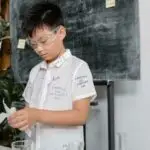
- Handle laboratory equipment with care.
- Play safely during sports and games.
- Keep classrooms and surroundings clean and free from obstacles.
Safety Measures in the Workplace
Workplaces can also expose people to hazards. Workers must be careful and follow safety rules.
The following are safety measures in the workplace:
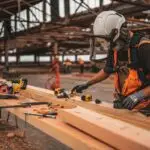
- Use protective clothing like gloves, helmets, and boots where necessary.
- Handle machines and tools carefully.
- Avoid horseplay or careless behavior at work.
- Report faulty equipment to supervisors.
- Follow safety instructions and training guidelines.
Safety Measures in the Environment
The environment is where people live, work, and interact. Unsafe practices can cause accidents.
The following are safety measures in the environment:
- Dispose of waste properly to avoid pollution.
- Avoid playing on the road or highways.
- Cross the road carefully using pedestrian crossings.
- Report open manholes or broken wires to authorities.
- Keep drainages and surroundings clean to prevent flooding.
Teaching Methods/Instructional Techniques:
Discussion, Lecture, Explanation, Storytelling, Group Work, Demonstration, Question and Answer, Use of Visual Aids
Instructional Procedures
To deliver this lesson, the teacher will adopt the following steps:
Step 1: Introduction
Time: 5 minutes
Teaching Skill: Set Induction
Teacher’s Activity: Teacher narrates a short story of a child who slipped on a wet floor at home and asks pupils how such accidents can be prevented.
Pupils’ Activity: Pupils respond by suggesting ways the accident could have been avoided.
Learning Point: Pupils are introduced to the importance of safety measures.
Step 2: Safety Measures in the Home
Time: 8 minutes
Teaching Skill: Explanation
Teacher’s Activity: Teacher lists and explains safety measures in the home using charts.
Pupils’ Activity: Pupils listen and identify more safety rules from their experiences.
Learning Point: Pupils learn safety measures that prevent home accidents.
Step 3: Safety Measures in the School
Time: 8 minutes
Teaching Skill: Discussion
Teacher’s Activity: Teacher discusses safety measures in the school and provides examples from classroom and playground activities.
Pupils’ Activity: Pupils share their school experiences and suggest safety rules.
Learning Point: Pupils learn ways to prevent accidents in school.
Step 4: Safety Measures in the Workplace and Environment
Time: 10 minutes
Teaching Skill: Explanation and Demonstration
Teacher’s Activity: Teacher explains safety measures in the workplace and environment using pictures and examples.
Pupils’ Activity: Pupils observe, listen, and practice simple demonstrations such as safe crossing of the road.
Learning Point: Pupils understand workplace and environmental safety practices.
Step 5: Note-Taking
Time: 5 minutes
Teaching Skill: Explanation
Teacher’s Activity: Teacher dictates or writes the board summary for pupils to copy.
Pupils’ Activity: Pupils copy notes into their exercise books.
Learning Point: Pupils record the lesson for future study.
Step 6: Evaluation/Review
Time: 6 minutes
Teaching Skill: Questioning
Teacher’s Activity: The teacher evaluates the learning by asking the following questions:
- Mention three safety measures in the home.
- State two safety rules pupils should obey in school.
- Give two safety practices in the workplace.
- Mention two safety measures in the environment.
Pupils’ Activity: Pupils answer the questions orally.
Learning Point: Pupils recall and apply the lesson content.
Step 7: Conclusion
Time: 3 minutes
Teaching Skill: Reinforcement
Teacher’s Activity: Teacher summarizes the lesson and encourages pupils to practice safety measures daily.
Pupils’ Activity: Pupils listen attentively.
Learning Point: Pupils are encouraged to apply safety measures at home, school, workplace, and environment.
Home Task: Write a short, evidence-based paragraph about one safe and relevant example of Accidents In The Home And School (Part 2).
Lesson Keywords
- Accident – an unexpected event causing harm or damage
- Safety – protection from danger or risk
- Precaution – action taken to prevent harm
- Environment – surroundings where people live and interact
- Workplace – a place where people carry out jobs or duties
Differentiation
Teacher uses visual aids and practical demonstrations for learners who struggle with abstract explanations while encouraging faster learners to lead group discussions.
Note for teachers using this lesson plan
Encourage pupils to relate safety measures to their daily life. Use real-life examples from the school and environment. Ensure active participation in demonstrations.

Community Join the conversation Open discussion +