

Class: Junior Secondary School 1 (JSS1, JSS 1)
Term: 1st Term
Week: 4
Age: 12 years
Duration: 45 minutes
Subject: National Value Education
Curriculum Theme: Social Studies
Previous Lesson: Meaning, Types and Features of Physical Environment
Topic: Resources in Our environment and their Uses
Subject Matter: Resources in Our Environment and their Uses
Specific Objectives
By the end of the lesson, pupils should be able to:
- Cognitive Domain:
(a) Identify different types of resources in the environment.
(b) Explain the uses of resources in their immediate environment. - Affective Domain:
(a) Show appreciation for the value of environmental resources.
(b) Develop positive attitudes towards protecting and conserving resources. - Psychomotor Domain:
(a) Classify pictures or samples of resources into groups.
(b) Demonstrate how some common resources are used in daily life. - Social Domain:
(a) Work cooperatively in groups to discuss and present uses of resources in the community.
Reference Materials
The following resources were used in planning this lesson:
- 9 Years Basic Education Curriculum
- Lagos State Unified Scheme of work for Junior Secondary Schools
- Wikipedia- Natural resource
- Relevant Textbooks
Instructional Materials
The teacher will teach this lesson with the aid of:
- Charts showing different natural and human resources
- Pictures of forests, minerals, water, soil, animals, and people at work
- Flashcards with names of resources and uses
- Short video clips on the use of resources in Nigeria
- Whiteboard and markers
Rationale for the Lesson
This lesson enables pupils to understand the resources available in their environment, their importance, and the need to use them wisely for sustainable development.
Prerequisite/Previous Knowledge
Pupils are familiar with their surroundings and have basic experiences with natural things like water, soil, plants, animals, and man-made objects used in daily life.
Lesson Content/Board Summary
Resources in Our Environment and Their Uses
Meaning of Resources in Our Environment
Resources are useful things found in our surroundings which people depend on to meet their needs. They can be natural or man-made and are essential for survival and development.
Types of Resources in the Environment
Resources in the environment can be grouped into different types depending on their origin and nature.
The following are the types of resources:
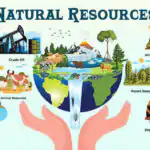
- Natural Resources – These are resources that occur in nature without human effort such as water, soil, air, forests, animals, and minerals.
- Human Resources – These are people and their skills, talents, and knowledge used to produce goods and services.
- Capital Resources – These include man-made tools, machines, buildings, and equipment used in production.
Uses of Resources in the Environment
Resources are important because they help people to survive, develop, and improve their quality of life.
The following are the uses of resources in our environment:
- Soil is used for farming and construction.
- Water is used for drinking, washing, cooking, farming, and power generation.
- Forests provide timber, medicine, food, and shelter for animals.
- Minerals like coal, oil, and limestone are used for fuel, cement, and other industries.
- Air is essential for breathing and also used in wind energy production.
- Human resources provide labor, skills, and knowledge for growth.
- Capital resources aid in production, transportation, and communication.
Teaching Methods/Instructional Techniques:
Discussion, Lecture, Explanation, Demonstration, Group Work, Question and Answer, Storytelling, Visual Aids
Instructional Procedures
To deliver this lesson, the teacher will adopt the following steps:
Step 1: Introduction
Time: 5 minutes
Teaching Skill: Set Induction
Teacher’s Activity: Teacher asks pupils to mention some things in their environment that are useful to them, e.g., water, food, or books. Teacher links their responses to the new topic.
Pupils’ Activity: Pupils respond by naming useful things in their environment.
Learning Point: Pupils are introduced to the concept of resources in the environment.
Step 2: Meaning of Resources in Our Environment
Time: 7 minutes
Teaching Skill: Explanation
Teacher’s Activity: Teacher explains the meaning of resources in the environment using examples.
Pupils’ Activity: Pupils listen and take notes.
Learning Point: Pupils understand the meaning of environmental resources.
Step 3: Types of Resources in the Environment
Time: 10 minutes
Teaching Skill: Discussion
Teacher’s Activity: Teacher describes natural, human, and capital resources with illustrations.
Pupils’ Activity: Pupils give examples of each type of resource.
Learning Point: Pupils can identify and classify types of resources.
Step 4: Uses of Resources in the Environment
Time: 10 minutes
Teaching Skill: Demonstration
Teacher’s Activity: Teacher explains the uses of different resources with the aid of charts, pictures, and real-life examples.
Pupils’ Activity: Pupils state the uses of common resources around them.
Learning Point: Pupils understand the importance of resources in daily life.
Step 5: Note-Taking
Time: 5 minutes
Teaching Skill: Explanation
Teacher’s Activity: Teacher dictates or writes the board summary for pupils to copy.
Pupils’ Activity: Pupils write notes into their exercise books.
Learning Point: Pupils have a written record of the lesson content.
Step 6: Evaluation/Review
Time: 5 minutes
Teaching Skill: Questioning
Teacher’s Activity: The teacher evaluates the learning by asking the following questions:
- What are resources in our environment?
- Mention two types of resources in our environment.
- State three uses of resources.
Pupils’ Activity: Pupils respond to the questions orally.
Learning Point: Pupils demonstrate understanding of the lesson objectives.
Step 7: Conclusion
Time: 3 minutes
Teaching Skill: Reinforcement
Teacher’s Activity: Teacher summarizes the lesson and encourages pupils to value and protect resources in their environment.
Pupils’ Activity: Pupils listen attentively.
Learning Point: Pupils appreciate the need to conserve and use resources wisely.
Home Task: Write a short, evidence-based paragraph about one safe and relevant example of Resources in Our environment and their Uses.
Lesson Keywords
- Resources – useful things found in the environment
- Natural resources – resources provided by nature such as water, air, and soil
- Human resources – people and their skills, knowledge, and talents
- Capital resources – man-made tools, machines, and buildings used in production
- Environment – the surroundings in which we live and find resources
Differentiation
Teacher simplifies content for slower learners with real-life examples while encouraging advanced learners to give detailed explanations and lead group activities.
Note for teachers using this lesson plan
Ensure active pupil participation through discussions and examples from their local environment. Use pictures or real objects to make the lesson practical and relatable.

Community Join the conversation Open discussion +