

Class: Senior Secondary School 2 (SS2 / SSS 2)
Term: Second Term
Week: 8
Age: 16 years
Duration: 45 minutes
Subject: Christian Religion Studies
Curriculum Theme: Moral Teachings
Previous Lesson: Unwise Decisions: Solomon, Rehoboam and Consequences.
Topic: The Effect of Greed (Ahab and Gehazi)
Subject Matter: Meaning of greed (selfish desire for more), Ahab seizes Naboth’s vineyard (I Kings 21:1-2, I Kings 21:16), effects of Ahab’s greed (I Kings 21:17-29), Gehazi’s greed and its consequences (II Kings 5:1-27)
Specific Objectives
By the end of the lesson, pupils should be able to:
Cognitive Domain:
- Define greed.
- Recount the stories of Ahab and Gehazi.
- State the effects and consequences of greed from the biblical accounts.
Affective Domain:
- Appreciate the dangers associated with greed.
- Condemn acts of greed in their personal lives and in society.
Psychomotor Domain:
- Identify instances of greed in contemporary Nigerian society.
- Discuss ways to avoid greedy behaviours.
Social Domain:
- Relate greed to corruption and injustice in society.
- Advocate for integrity and contentment.
Reference Materials
The following resources were used in planning this lesson:
- Senior Secondary Schools Education Curriculum
- State Unified Scheme of Work
- Christian Religious Studies for Senior Secondary Schools, Book 2
- The Holy Bible (Revised Standard Version)
Instructional Materials
The teacher will teach this lesson with the aid of:
- A Holy Bible
- Relevant Christian Religious Studies textbook
- A chart illustrating key points about greed
Rationale for the Lesson
Greed is a destructive vice that leads to negative consequences. This lesson helps pupils understand the dangers of greed through biblical examples, enabling them to identify its impact on individuals and society. It encourages pupils to shun greedy acts and embrace contentment.
Prerequisite/Previous Knowledge
Pupils have learned about other moral values and vices in previous Christian Religious Studies lessons.
Lesson Content/Board Summary
The Effect of Greed (Ahab and Gehazi)
Meaning of Greed
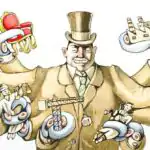
Greed is an excessive and selfish desire for more than one needs or deserves, especially for money, power, or possessions. It is a strong desire for something, particularly wealth, that goes beyond what is necessary or rightfully acquired.
Memory Verse
Luke 12:15: “Then he said to them, ‘Watch out! Be on your guard against all kinds of greed; life does not consist in an abundance of possessions.'”
Bible Reading
- 1 Kings 21:1-29 (Ahab and Naboth’s Vineyard)
- 2 Kings 5:1-27 (Gehazi and Naaman)
Ahab Seizes Naboth’s Vineyard (1 Kings 21:1-16)
King Ahab of Israel coveted Naboth’s vineyard, which was located near his palace. When Naboth refused to sell it because it was his ancestral inheritance, Queen Jezebel conspired to have Naboth falsely accused of blasphemy and treason, leading to his execution by stoning. After Naboth’s death, Ahab took possession of the vineyard.
Effects of Ahab’s Greed (1 Kings 21:17-29)
The prophet Elijah confronted Ahab, pronouncing God’s judgment against him and his family for the murder of Naboth and the seizure of his vineyard. God declared that dogs would lick Ahab’s blood and consume Jezebel’s body. Ahab later humbled himself, and God postponed the most severe judgment on his house until his son’s reign.
The effects of Ahab’s greed include:
- Disobedience to God’s law regarding ancestral land.
- Injustice and the murder of an innocent man.
- Divine judgment and punishment upon Ahab and his entire household.
- Loss of peace and damage to his reputation.
Gehazi’s Greed and its Consequences (2 Kings 5:1-27)
Naaman, a Syrian commander, was miraculously cured of leprosy by Prophet Elisha. Naaman offered Elisha gifts as a token of gratitude, but Elisha refused them. Gehazi, Elisha’s servant, secretly ran after Naaman and lied, claiming Elisha had changed his mind and needed silver and clothing for two young prophets. Gehazi took the gifts and hid them.
The consequences of Gehazi’s greed include:
- Engaging in lying and deceit.
- Experiencing disgrace and losing his master’s trust.
- Inheriting Naaman’s leprosy, which also affected his descendants.
- Losing his position and privilege as Elisha’s servant.
Greed and Corruption in Nigeria
Greed in Nigeria manifests in various forms, such as:
- Bribery and embezzlement of public funds by officials.
- Extortion and illegal acquisition of land and properties.
- Fraudulent practices in business transactions and governance.
These acts of greed lead to:
- Underdevelopment and widespread poverty among the populace.
- Lack of basic amenities and critical infrastructure.
- Erosion of moral values and pervasive injustice.
- Damage to the nation’s international reputation.
Teaching Methods/Instructional Techniques
Discussion, Lecture, Demonstration, Question and Answer, Visual Aids
Instructional Procedures
Step 1: Introduction
Time: 5 minutes
Teaching Skill: Set Induction
Teacher’s Activity: The teacher greets the pupils and asks them to mention things they desire to have, guiding them towards understanding that too much desire can be negative.
Pupils’ Activity: Pupils respond by mentioning various desires and engage in the initial discussion.
Learning Point: Pupils are introduced to the concept of desire and its potential pitfalls, leading into the topic of greed.
Step 2: Meaning of Greed
Time: 5 minutes
Teaching Skill: Explanation/Definition
Teacher’s Activity: The teacher explains the meaning of greed, emphasizing its selfish and excessive nature, and writes it on the board.
Pupils’ Activity: Pupils listen attentively, ask questions for clarity, and copy the definition into their notebooks.
Learning Point: Pupils understand the definition of greed.
Step 3: Ahab’s Greed and its Effects
Time: 10 minutes
Teaching Skill: Narration/Analysis
Teacher’s Activity: The teacher narrates the story of King Ahab and Naboth’s vineyard from 1 Kings 21, highlighting Ahab’s greedy desire and the subsequent actions of Jezebel. The teacher then discusses the divine judgment that followed.
Pupils’ Activity: Pupils listen to the story, identify Ahab’s greedy actions, and discuss the consequences.
Learning Point: Pupils learn about Ahab’s greed and its negative effects.
Step 4: Gehazi’s Greed and its Consequences
Time: 10 minutes
Teaching Skill: Narration/Analysis
Teacher’s Activity: The teacher narrates the story of Gehazi and Naaman from 2 Kings 5, focusing on Gehazi’s dishonest pursuit of gifts and the leprosy he incurred as a consequence. The teacher emphasizes the direct link between his greed and punishment.
Pupils’ Activity: Pupils listen to the narrative, identify Gehazi’s greedy behaviour, and discuss the severe consequences.
Learning Point: Pupils learn about Gehazi’s greed and its dire consequences.
Step 5: Greed and Corruption in Nigeria
Time: 5 minutes
Teaching Skill: Discussion/Connection
Teacher’s Activity: The teacher leads a discussion on how greed manifests in contemporary Nigerian society, linking it to issues of corruption, injustice, and underdevelopment. The teacher asks pupils for examples.
Pupils’ Activity: Pupils actively participate in the discussion, providing examples of greed in society and expressing their views on its impact.
Learning Point: Pupils connect biblical lessons on greed to real-world issues in Nigeria.
Step 6: Memory Verse and Bible Reading
Time: 5 minutes
Teaching Skill: Recitation/Reading
Teacher’s Activity: The teacher leads the pupils in reciting the memory verse (Luke 12:15) and guides them to locate and read the relevant Bible passages (1 Kings 21 and 2 Kings 5).
Pupils’ Activity: Pupils recite the memory verse and read the Bible passages aloud.
Learning Point: Pupils memorize the key verse and familiarize themselves with the biblical context.
Step 7: Evaluation/Review
Time: 5 minutes
Teaching Skill: Questioning/Assessment
Teacher’s Activity: The teacher evaluates the learning by asking the following questions:
- What is greed?
- Briefly narrate the story of Ahab and Naboth’s vineyard.
- Mention two effects of Ahab’s greed.
- Describe the consequences of Gehazi’s greed.
- How does greed contribute to corruption in Nigeria?
Pupils’ Activity: Pupils answer orally and in writing.
Learning Point: Pupils demonstrate understanding of the lesson.
Step 8: Conclusion
Time: 5 minutes
Teaching Skill: Summarization
Teacher’s Activity: The teacher summarizes the main points of the lesson, reiterating the dangers of greed and encouraging pupils to choose contentment and integrity. The teacher then assigns homework, asking pupils to write down three ways they can avoid greed in their daily lives.
Pupils’ Activity: Pupils listen to the summary and copy down the homework.
Learning Point: Pupils consolidate their understanding and are encouraged to apply the lesson to their lives.
Lesson Keywords
- Greed – An excessive and selfish desire for more than one needs or deserves.
- Ahab – A king of Israel known for his wickedness and covetousness.
- Gehazi – The servant of Prophet Elisha who became greedy.
- Naboth – The owner of a vineyard coveted by King Ahab.
- Jezebel – Ahab’s wife who conspired to kill Naboth.
- Naaman – A Syrian commander cured of leprosy by Elisha.
- Leprosy – A chronic infectious disease affecting the skin and nerves, a biblical punishment for Gehazi.
- Corruption – Dishonest or fraudulent conduct by those in power, typically involving bribery.
Differentiation
For struggling learners, the teacher will provide simplified summaries of the biblical stories and key consequences, using visual aids to reinforce understanding. For advanced learners, the teacher will encourage a deeper discussion on the socio-economic impact of greed in society and possible solutions, prompting critical thinking beyond the direct biblical narratives.
Note for teachers using this lesson plan
Teachers should emphasize the moral lessons derived from the biblical accounts and help pupils relate these lessons to contemporary issues of greed and corruption in Nigeria. Encourage pupils to reflect on their own desires and to cultivate values of contentment, honesty, and justice. The discussion on greed in Nigeria should be handled sensitively, focusing on principles rather than specific individuals.


Community 1 comment Open discussion +