

Class: Senior Secondary School 1 (SS1, SS 1, SSS1, SSS 1)
Term: Second Term
Week: 3
Age: 15 years
Duration: 45 minutes
Subject: Christian Religion Studies
Curriculum Theme: Christian Religion Studies
Previous Lesson: Jesus as the Living Water.
Topic: Spiritual Gifts
Subject Matter: list of spiritual gifts, hierarchy of spiritual gifts, how to identify spiritual gifts, how to exercise spiritual gifts responsibly
Specific Objectives
By the end of the lesson, pupils should be able to:
Cognitive Domain:
- Define spiritual gifts.
- List at least four spiritual gifts mentioned in the Bible.
- Explain the concept of hierarchy among spiritual gifts.
Affective Domain:
- Appreciate the importance of spiritual gifts for the growth of the church.
- Desire to identify and develop their own spiritual gifts for service.
Psychomotor Domain:
- Discuss practical ways to identify spiritual gifts in themselves and others.
- Suggest ways to exercise spiritual gifts responsibly within the church and community.
Social Domain:
- Collaborate in group discussions to understand the diversity of spiritual gifts.
- Recognize the role of spiritual gifts in fostering unity and mutual support among believers.
Reference Materials
The following resources were used in planning this lesson:
- 9 Years Basic Education Curriculum for Christian Religious Studies.
- State Unified Scheme of Work for Senior Secondary Christian Religious Studies.
- Christian Religious Knowledge for Senior Secondary Schools by A.B.C. Okoro.
- The Holy Bible (e.g., King James Version, New International Version).
Instructional Materials
The teacher will teach this lesson with the aid of:
- A chart listing various spiritual gifts.
- Copies of the Holy Bible.
- Whiteboard and markers/chalk.
Rationale for the Lesson
This lesson helps pupils understand that God gives special abilities to believers to serve Him and the church. Knowing about spiritual gifts enables pupils to discover their own potential contributions and encourages them to use these gifts to help others and build up the Christian community.
Prerequisite/Previous Knowledge
Pupils are expected to have a basic understanding of the Holy Spirit and His work in the lives of believers from previous lessons.
Lesson Content/Board Summary
Spiritual Gifts
Definition of Spiritual Gifts
Spiritual gifts are special abilities given by the Holy Spirit to believers for the purpose of serving God and building up the church. They are not natural talents, but supernatural endowments.
List of Spiritual Gifts
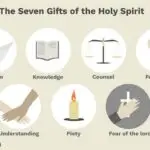
The Bible mentions various spiritual gifts, primarily in 1 Corinthians 12, Romans 12, and Ephesians 4. Some examples include:
- Word of Wisdom: The ability to apply biblical truth to specific situations.
- Word of Knowledge: The ability to understand and explain God’s truth.
- Faith: An extraordinary confidence in God’s power and promises.
- Gifts of Healing: The ability to be used by God to restore health.
- Working of Miracles: The ability to perform supernatural acts by divine power.
- Prophecy: The ability to communicate a message from God, often for encouragement, edification, or comfort.
- Discerning of Spirits: The ability to distinguish between true and false spiritual influences.
- Various Kinds of Tongues: The ability to speak in a language unknown to the speaker, either human or divine.
- Interpretation of Tongues: The ability to translate a message spoken in tongues.
- Teaching: The ability to clearly explain and apply God’s Word.
- Service/Ministering: The ability to provide practical help and support.
- Exhortation: The ability to encourage and motivate others.
- Giving: The ability to contribute financially with generosity.
- Leadership/Administration: The ability to organize and guide the church.
- Mercy: The ability to show compassion and aid those in need.
Hierarchy of Spiritual Gifts
The Bible suggests a certain order or importance among spiritual gifts, particularly for public worship. 1 Corinthians 12:28 states that God has appointed first apostles, second prophets, third teachers, then miracles, gifts of healing, helps, governments, and diversities of tongues. Gifts that edify the whole church (like prophecy and teaching) are considered more desirable for public use than those that benefit only the individual (like tongues without interpretation).
How to Identify Spiritual Gifts
Identifying spiritual gifts involves several steps:
- Prayer: Ask God to reveal your gifts.
- Study the Bible: Learn what the gifts are and how they operate.
- Self-Assessment: Consider what you enjoy doing for God and what you feel led to do.
- Seek Confirmation: Ask trusted spiritual leaders or mature believers to observe and affirm your gifts.
- Experiment: Try serving in different areas to see where you are effective and feel God’s anointing.
How to Exercise Spiritual Gifts Responsibly
Spiritual gifts should always be used for the glory of God and the edification of the church. Key principles for responsible use include:
- In Love: All gifts must be exercised with love (1 Corinthians 13).
- For Edification: Gifts should build up others, not draw attention to oneself (1 Corinthians 14:26).
- In Order: Public exercise of gifts should be done decently and in order to avoid confusion (1 Corinthians 14:40).
- With Humility: Do not boast or think more highly of yourself because of your gifts (Romans 12:3).
- Under Authority: Respect the leadership and guidance of the church.
Teaching Methods/Instructional Techniques
Discussion, Lecture, Demonstration, Question and Answer, Visual Aids, Bible Study
Instructional Procedures
Step 1: Introduction
Time: 5 minutes
Teaching Skill: Set Induction/Questioning
Teacher’s Activity: The teacher greets the pupils and asks them to recall what they know about the Holy Spirit. The teacher then introduces the topic of spiritual gifts, explaining that these are special abilities given by the Holy Spirit.
Pupils’ Activity: Pupils respond to the teacher’s questions about the Holy Spirit and listen attentively to the introduction.
Learning Point: Pupils are prepared for the lesson and connect the new topic to prior knowledge.
Step 2: Definition of Spiritual Gifts
Time: 5 minutes
Teaching Skill: Explanation/Definition
Teacher’s Activity: The teacher defines spiritual gifts, emphasizing that they are supernatural endowments from the Holy Spirit for service. The teacher writes the definition on the board.
Pupils’ Activity: Pupils listen and copy the definition into their notebooks.
Learning Point: Pupils understand the meaning of spiritual gifts.
Step 3: List of Spiritual Gifts
Time: 10 minutes
Teaching Skill: Listing/Illustration
Teacher’s Activity: The teacher displays the chart of spiritual gifts and reads out various gifts, providing brief explanations and relevant Bible references (e.g., 1 Corinthians 12:8-10, Romans 12:6-8). The teacher ensures pupils understand each gift.
Pupils’ Activity: Pupils observe the chart, listen to the explanations, and note down some key spiritual gifts.
Learning Point: Pupils are able to identify and list several spiritual gifts.
Step 4: Hierarchy of Spiritual Gifts
Time: 5 minutes
Teaching Skill: Explanation/Clarification
Teacher’s Activity: The teacher explains that while all gifts are important, some are considered more prominent or directly beneficial to the whole church, referring to 1 Corinthians 12:28. The teacher clarifies that this does not mean some gifts are better, but rather have different functions.
Pupils’ Activity: Pupils listen and ask questions for clarity.
Learning Point: Pupils understand that there is an order in the functioning of gifts within the church.
Step 5: Identifying Spiritual Gifts
Time: 5 minutes
Teaching Skill: Guidance/Discussion
Teacher’s Activity: The teacher guides pupils on practical ways to identify their own spiritual gifts, such as prayer, Bible study, self-assessment, and seeking confirmation from others. The teacher encourages pupils to reflect on their own inclinations and strengths in service.
Pupils’ Activity: Pupils participate in a brief discussion, sharing thoughts on how they might identify their gifts.
Learning Point: Pupils learn practical steps to discover their spiritual gifts.
Step 6: Exercising Spiritual Gifts Responsibly
Time: 5 minutes
Teaching Skill: Instruction/Application
Teacher’s Activity: The teacher explains the principles for exercising spiritual gifts responsibly, emphasizing love, edification, order, humility, and submission to church authority. The teacher highlights that gifts are for service, not for personal glory.
Pupils’ Activity: Pupils listen and note down the key principles for responsible use of gifts.
Learning Point: Pupils understand the importance of using spiritual gifts appropriately and for God’s glory.
Step 7: Evaluation/Review
Time: 5 minutes
Teaching Skill: Questioning/Assessment
Teacher’s Activity: The teacher evaluates the learning by asking the following questions:
- Define spiritual gifts.
- Mention four spiritual gifts listed in the Bible.
- Explain what is meant by the hierarchy of spiritual gifts.
- State two ways a believer can identify their spiritual gifts.
- List three principles for exercising spiritual gifts responsibly.
Pupils’ Activity: Pupils answer orally and in writing.
Learning Point: Pupils demonstrate understanding of the lesson.
Step 8: Conclusion
Time: 5 minutes
Teaching Skill: Summarization/Assignment
Teacher’s Activity: The teacher summarizes the main points of the lesson, reiterating the importance of spiritual gifts for individual believers and the church. The teacher assigns homework: pupils are to read 1 Corinthians 12-14 and write down how they can apply the principles of responsible gift usage in their own lives.
Pupils’ Activity: Pupils listen to the summary and copy down the homework.
Learning Point: Pupils consolidate their learning and are encouraged to apply the lesson to their lives.
Lesson Keywords
- Spiritual Gifts – Special abilities given by the Holy Spirit to believers for service.
- Holy Spirit – The third person of the Trinity, who empowers believers with gifts.
- Edification – The act of building up or strengthening others, especially in faith.
- Prophecy – Communicating a message from God for encouragement, comfort, or conviction.
- Tongues – The gift of speaking in an unknown language.
- Hierarchy – An order or ranking of importance or function.
Differentiation
For pupils who grasp concepts quickly, the teacher can encourage them to research specific Bible passages related to different gifts and present their findings. For pupils who need more support, the teacher can provide simplified notes or pair them with stronger pupils for group discussions and Bible reading exercises.
Note for teachers using this lesson plan
Encourage an open and respectful classroom environment where pupils feel comfortable discussing spiritual matters. Emphasize that all spiritual gifts, when used correctly, are valuable and contribute to the body of Christ. Use real-life examples of how spiritual gifts are exercised in the church today to make the lesson more relatable.


Community Join the conversation Open discussion +