

Class: Senior Secondary School 1 (SS1, SS 1, SSS1, SSS 1)
Term: 2nd Term
Week: 9
Age: 15 years
Duration: 45 minutes
Subject: Auto Mechanic Work
Curriculum Theme: Auto Mechanic Work
Previous Lesson: Engine Lubricating System: Friction and Purpose.
Topic: ENGINE LUBRICATION AND COOLING SYSTEM – Cooling System Functions
Subject Matter: meaning of cooling system, need for cooling system, functions of cooling system, effects of lack of water in running engine
Specific Objectives
By the end of the lesson, pupils should be able to:
Cognitive Domain:
- Define a cooling system in an engine.
- State the reasons why a cooling system is needed in an internal combustion engine.
- Explain the various functions of the cooling system.
- List the effects of lack of water in a running engine.
Affective Domain:
- Appreciate the importance of a properly functioning cooling system in an engine.
- Recognise the potential damage caused by engine overheating.
Psychomotor Domain:
- Identify components of a cooling system on a vehicle or chart.
- Observe and report the signs of an engine running without sufficient coolant.
Social Domain:
- Participate in discussions about engine maintenance.
- Share observations regarding engine performance.
Reference Materials
The following resources were used in planning this lesson:
- 9 Years Basic Education Curriculum for Senior Secondary Schools.
- State Unified Scheme of Work for Auto Mechanic Work SSS 1.
- Adeyemi, T. (2018). Auto Mechanic for Senior Secondary Schools. Ibadan: University Press PLC.
- Online resources on automotive cooling systems.
Instructional Materials
The teacher will teach this lesson with the aid of:
- Posters showing engine cooling system diagrams.
- Charts illustrating the flow of coolant.
- A vehicle (if available) for demonstration of cooling system components.
- Whiteboard and markers/chalk.
Rationale for the Lesson
This lesson helps pupils understand how an engine prevents itself from overheating, which is important for vehicle longevity and performance. Learning about the cooling system enables pupils to appreciate proper engine maintenance and recognise signs of potential problems. This knowledge is essential for anyone working with or operating vehicles.
Prerequisite/Previous Knowledge
Pupils have basic knowledge of internal combustion engines and understand that engines generate heat during operation.
Lesson Content/Board Summary
ENGINE LUBRICATION AND COOLING SYSTEM – Cooling System Functions
Meaning of Cooling System
The cooling system is a network of components in an internal combustion engine designed to regulate the engine’s temperature by removing excess heat generated during combustion. It maintains the engine within its optimal operating temperature range.
Need for Cooling System
A cooling system is needed for the following reasons:
- To prevent engine components from overheating and seizing.
- To maintain the engine at an optimal operating temperature for efficient combustion and power output.
- To prevent thermal expansion of engine parts which can lead to damage.
- To ensure the longevity and reliability of the engine.
Functions of the Cooling System
The primary functions of the cooling system include:
- Heat Dissipation: It removes excess heat from the engine block and cylinder head, transferring it to the atmosphere.
- Temperature Regulation: It maintains the engine at its most efficient operating temperature, which is typically between 90-105°C.
- Corrosion Protection: The coolant used contains additives that protect metal components from corrosion and rust.
- Antifreeze Protection: Coolant prevents the engine from freezing in cold weather conditions.
Effects of Lack of Water in a Running Engine
If an engine runs without sufficient water (coolant), the following effects can occur:
- Overheating: The engine temperature will rise rapidly beyond its normal operating range.
- Engine Seizure: High temperatures can cause metal parts (like pistons and cylinder walls) to expand excessively and weld together, leading to engine seizure.
- Head Gasket Failure: Extreme heat can damage the head gasket, causing coolant and oil to mix or combustion gases to leak.
- Warped Cylinder Head/Block: Prolonged overheating can warp or crack the cylinder head or engine block, requiring expensive repairs.
- Reduced Lubrication Effectiveness: High temperatures can break down engine oil, reducing its lubricating properties and increasing wear.
- Power Loss: An overheated engine will experience a significant loss in power and performance.
Teaching Methods/Instructional Techniques
Discussion, Lecture, Demonstration, Question and Answer, Visual Aids
Instructional Procedures
Step 1: Introduction
Time: 5 minutes
Teaching Skill: Set Induction
Teacher’s Activity: The teacher greets the pupils and asks them what happens to a car engine if it runs for a long time without stopping. The teacher then guides them to recall that engines generate a lot of heat and asks how this heat is managed.
Pupils’ Activity: Pupils respond to questions and share their ideas about heat generation in engines.
Learning Point: Pupils are introduced to the concept of heat management in engines.
Step 2: Meaning of Cooling System
Time: 8 minutes
Teaching Skill: Explanation/Definition
Teacher’s Activity: The teacher defines a cooling system, explaining its purpose in regulating engine temperature. The teacher uses diagrams or charts to point out major components like the radiator, water pump, and hoses.
Pupils’ Activity: Pupils listen attentively, take notes, and ask questions for clarification.
Learning Point: Pupils understand what a cooling system is and its general role.
Step 3: Need for Cooling System
Time: 7 minutes
Teaching Skill: Elucidation/Reasoning
Teacher’s Activity: The teacher explains why a cooling system is essential, detailing how excessive heat can damage engine components and reduce efficiency. The teacher encourages pupils to think about the consequences of an engine running too hot.
Pupils’ Activity: Pupils contribute to the discussion by suggesting potential problems if an engine overheats. They relate the information to real-world scenarios.
Learning Point: Pupils grasp the critical necessity of a cooling system for engine health and performance.
Step 4: Functions of the Cooling System
Time: 8 minutes
Teaching Skill: Listing/Explanation
Teacher’s Activity: The teacher enumerates and explains the various functions of the cooling system, such as heat dissipation, temperature regulation, and protection against corrosion and freezing. The teacher uses the board to list these functions.
Pupils’ Activity: Pupils listen, copy notes from the board, and ask questions to deepen their understanding of each function.
Learning Point: Pupils learn the specific roles the cooling system plays in engine operation.
Step 5: Effects of Lack of Water in a Running Engine
Time: 7 minutes
Teaching Skill: Illustration/Problem-solving
Teacher’s Activity: The teacher discusses the severe consequences of an engine running without sufficient coolant. The teacher asks pupils to recall or imagine what happens in such a situation and then elaborates on effects like overheating, engine seizure, and head gasket failure. The teacher may use visuals to show damaged engine parts.
Pupils’ Activity: Pupils observe images (if any), report on personal experiences or observations of overheated engines, and discuss the negative impacts.
Learning Point: Pupils understand the dangers of operating an engine without proper coolant.
Step 6: Practical Application/Demonstration
Time: 5 minutes
Teaching Skill: Demonstration/Visualisation
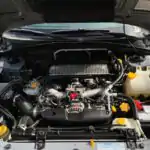
Teacher’s Activity: If a vehicle is available, the teacher points out the radiator, radiator cap, coolant reservoir, and hoses, explaining their basic roles. If not, the teacher uses charts and posters to illustrate the location and function of these components.
Pupils’ Activity: Pupils observe the demonstration, identify the components, and ask questions about their physical appearance and placement.
Learning Point: Pupils gain a visual understanding of the cooling system components.
Step 7: Evaluation/Review
Time: 5 minutes
Teaching Skill: Questioning/Assessment
Teacher’s Activity: The teacher evaluates the learning by asking the following questions:
- Define a cooling system.
- State three reasons why a cooling system is needed in an engine.
- Mention two main functions of the cooling system.
- List three effects of an engine running without sufficient water.
Pupils’ Activity: Pupils answer orally and in writing.
Learning Point: Pupils demonstrate understanding of the lesson.
Step 8: Conclusion
Time: 3 minutes
Teaching Skill: Summarisation/Assignment
Teacher’s Activity: The teacher briefly summarises the key points of the lesson, reiterating the importance of the cooling system for engine health. The teacher assigns homework for pupils to draw and label a simple cooling system diagram.
Pupils’ Activity: Pupils listen to the summary and copy down the homework assignment.
Learning Point: Pupils consolidate their learning and prepare for independent practice.
Lesson Keywords
- Cooling System – A system that removes excess heat from an engine to maintain optimal operating temperature.
- Overheating – When an engine’s temperature rises above its normal operating range.
- Engine Seizure – When internal engine parts weld together due to excessive heat and lack of lubrication.
- Coolant – A fluid (mixture of water and antifreeze) used in the cooling system to absorb and transfer heat.
- Radiator – A heat exchanger that dissipates heat from the coolant to the surrounding air.
Differentiation
For visual learners, the use of posters, charts, and a physical vehicle demonstration will be emphasised. Struggling learners will receive additional guidance and simplified explanations, with opportunities for peer support. Advanced learners will be challenged with questions requiring deeper analysis, such as discussing different types of cooling systems or the role of specific additives in coolant.
Note for teachers using this lesson plan
Ensure that the vehicle demonstration (if available) is done safely and that pupils do not touch hot engine parts. Encourage active participation from all pupils and allow time for questions. Emphasise the practical implications of a faulty cooling system to make the lesson relatable.


Community Join the conversation Open discussion +