

Class: Senior Secondary School 1 (SS1 / SSS 1)
Term: 1st Term
Week: 2
Age: 15 years
Duration: 45 minutes
Subject: Garment Making
Curriculum Theme: Trade
Previous Lesson: Introduction To Garment Making.
Topic: CLOTHING ITEMS
Subject Matter: Identification of clothing items, Clothes for different occasions, Uses of dresses shoes and hats
Specific Objectives
By the end of the lesson, pupils should be able to:
Cognitive Domain:
- Identify various clothing items.
- State suitable clothing for different occasions.
- List the uses of dresses, shoes, and hats.
Affective Domain:
- Appreciate the importance of wearing appropriate clothing.
- Value personal neatness and appearance.
Psychomotor Domain:
- Classify clothing items according to their uses and occasions.
- Match specific clothing items to appropriate events.
Social Domain:
- Discuss the cultural significance of certain clothing items.
- Collaborate with peers to identify and describe clothing.
Reference Materials
The following resources were used in planning this lesson:
- Nigerian Educational Research and Development Council (NERDC) 9 Years Basic Education Curriculum for Home Economics.
- State Unified Scheme of Work for Senior Secondary Schools.
- Garment Making for Senior Secondary Schools, Book 1.
- https://www.pinterest.com/pin/clothing-for-different-occasions-google-search–311319080765952077/
Instructional Materials
The teacher will teach this lesson with the aid of:
- Various items of clothing (e.g., a dress, a pair of shoes, a hat, a shirt, trousers).
- Pictures or charts showing different clothing items and occasions.
Rationale for the Lesson
This lesson helps pupils understand the different types of clothing and how to choose appropriate attire for various situations. It enables them to make informed decisions about their dressing, promoting good personal presentation and understanding the practical uses of garments in daily life.
Prerequisite/Previous Knowledge
Pupils are familiar with different types of clothing as they wear them daily and have observed others wearing various outfits for different events.
Lesson Content/Board Summary
CLOTHING ITEMS
Identification of Clothing Items
Clothing items are articles worn on the body. They serve to protect the body from weather, provide modesty, and are used for adornment.
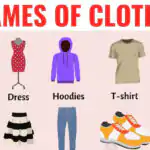
The following are common clothing items:
- Shirts
- Trousers/Skirts
- Dresses
- Blouses
- Suits
- Traditional attire (e.g., Agbada, Buba, Iro)
- Undergarments
- Shoes
- Hats/Caps
- Bags
Clothes for Different Occasions
The type of clothing worn often depends on the occasion or event. It is important to dress appropriately for different settings.
The following are types of occasions and suitable clothing:
- Formal Occasions: These include weddings, official meetings, church services, and award ceremonies.
- Suitable clothing: Suits, formal dresses, traditional attire (e.g., Agbada, Isiagu).
- Casual Occasions: These are informal events like home wear, sports activities, informal gatherings, or market trips.
- Suitable clothing: T-shirts, jeans, shorts, casual dresses, sportswear.
- Work/School: This refers to office work, school lessons, or specific vocational tasks.
- Suitable clothing: Uniforms, smart casual wear, overalls (for practical work).
- Special Occasions: These include parties, cultural festivals, or funerals.
- Suitable clothing: Party dresses, festive traditional wear, sober clothing for funerals.
Uses of Dresses, Shoes, and Hats
Each clothing item serves specific purposes in addition to covering the body.
The following are the uses of dresses:
- Provides full body coverage, often for modesty and protection.
- Can be formal or casual, suitable for various events.
- Used for fashion and self-expression.
- Often worn for comfort and ease of movement.
The following are the uses of shoes:
- Protects the feet from injury, dirt, and harsh weather.
- Provides comfort and support for walking and standing.
- Enhances appearance and complements an outfit.
- Specific types are used for sports or occupational safety.
The following are the uses of hats:
- Protects the head from sun, rain, and cold.
- Can be a fashion accessory or part of a uniform.
- Used for religious or cultural significance.
- Some hats indicate profession or status.
Teaching Methods/Instructional Techniques
Discussion, Lecture, Demonstration, Question and Answer, Visual Aids
Instructional Procedures
Step 1: Introduction
Time: 5 minutes
Teaching Skill: Set Induction
Teacher’s Activity: The teacher greets the pupils and asks them what they are wearing and why. The teacher then introduces the topic “Clothing Items” and explains that they will learn to identify different clothing items, understand clothes for different occasions, and know the uses of dresses, shoes, and hats.
Pupils’ Activity: Pupils respond to the teacher’s questions and listen attentively to the introduction of the lesson.
Learning Point: Pupils are prepared for the lesson and understand the topic.
Step 2: Identification of Clothing Items
Time: 10 minutes
Teaching Skill: Explanation/Demonstration
Teacher’s Activity: The teacher displays various clothing items (e.g., a shirt, a dress, a pair of shoes, a hat) and asks pupils to identify each one. The teacher explains what clothing items are and lists common examples, writing them on the board.
Pupils’ Activity: Pupils identify the displayed items and listen to the teacher’s explanation. They copy the notes from the board.
Learning Point: Pupils can identify and name various clothing items.
Step 3: Discussion on Clothes for Different Occasions
Time: 10 minutes
Teaching Skill: Discussion/Questioning
Teacher’s Activity: The teacher leads a discussion on different occasions (e.g., weddings, school, sports, parties) and asks pupils what kind of clothes are suitable for each. The teacher guides them to classify occasions into formal, casual, work/school, and special, providing examples of suitable attire for each.
Pupils’ Activity: Pupils actively participate in the discussion, suggesting clothes for different occasions and taking notes.
Learning Point: Pupils understand that clothing choices depend on the occasion.
Step 4: Uses of Dresses
Time: 5 minutes
Teaching Skill: Explanation
Teacher’s Activity: The teacher explains the various uses of dresses, highlighting how they provide coverage, are used for fashion, and suit different events.
Pupils’ Activity: Pupils listen and note down the uses of dresses.
Learning Point: Pupils understand the functions of dresses.
Step 5: Uses of Shoes
Time: 5 minutes
Teaching Skill: Explanation
Teacher’s Activity: The teacher explains the various uses of shoes, focusing on protection, comfort, and enhancing appearance.
Pupils’ Activity: Pupils listen and note down the uses of shoes.
Learning Point: Pupils understand the functions of shoes.
Step 6: Uses of Hats
Time: 5 minutes
Teaching Skill: Explanation
Teacher’s Activity: The teacher explains the various uses of hats, including protection from weather, fashion, and cultural significance.
Pupils’ Activity: Pupils listen and note down the uses of hats.
Learning Point: Pupils understand the functions of hats.
Step 7: Evaluation/Review
Time: 5 minutes
Teaching Skill: Questioning/Assessment
Teacher’s Activity: The teacher evaluates the learning by asking the following questions:
- Define clothing items.
- Mention three common clothing items.
- State two types of occasions where formal wear is appropriate.
- List two uses of shoes.
Pupils’ Activity: Pupils answer orally and in writing.
Learning Point: Pupils demonstrate understanding of the lesson.
Step 8: Conclusion
Time: 5 minutes
Teaching Skill: Summarization
Teacher’s Activity: The teacher summarizes the key points of the lesson, reiterating the importance of identifying clothing items, dressing appropriately for occasions, and understanding the uses of different garments. The teacher then gives pupils homework to draw and label three different clothing items.
Pupils’ Activity: Pupils listen to the summary and copy the homework.
Learning Point: Pupils consolidate their learning and are given a task to reinforce understanding.
Lesson Keywords
- Clothing Items – Articles worn on the body for protection, modesty, and adornment.
- Occasion – A particular event or celebration.
- Formal Wear – Clothing suitable for official or important events.
- Casual Wear – Clothing suitable for informal and relaxed settings.
- Dresses – A garment consisting of a skirt and an attached bodice.
- Shoes – Footwear designed to protect and comfort the human foot.
- Hats – A covering for the head, often worn for warmth, protection, or fashion.
Differentiation
The teacher will provide additional support to struggling pupils by offering simplified explanations and visual aids. Advanced pupils will be encouraged to discuss cultural variations in clothing and research historical clothing items.
Note for teachers using this lesson plan
Teachers should ensure they have a variety of actual clothing items or clear pictures to demonstrate effectively. Encourage pupils to share their own experiences with dressing for different occasions to make the lesson relatable.


Community Join the conversation Open discussion +