

Class: Junior Secondary School 1 (JSS1, JSS 1)
Term: 2nd Term
Week: 3
Age: 12 years
Duration: 45 minutes
Subject: Business Studies
Curriculum Theme: Business Studies
Previous Lesson: Meaning and Division of Occupation
Topic: Occupation (Part 2)
Subject Matter: Factors affecting occupation, Differences Between Direct and Indirect Services
Specific Objectives
By the end of the lesson, pupils should be able to:
- Cognitive Domain:
(a) Identify the factors affecting occupation.
(b) Explain the differences between direct and indirect services. - Affective Domain:
(a) Appreciate the importance of choosing an occupation based on personal ability and environmental factors. - Psychomotor Domain:
(a) Illustrate examples of direct and indirect services in their environment. - Social Domain:
(a) Participate actively in group discussions on how occupations contribute to community development.
Reference Materials
The following resources were used in planning this lesson:
- 9 Years Basic Education Curriculum
- Lagos State Unified Scheme of work for Junior Secondary Schools
- Britannica – “Occupation and Services” (https://www.britannica.com/topic/service-industry)
- Relevant Textbooks
Instructional Materials
The teacher will teach this lesson with the aid of:
- Charts showing different occupations
- Flashcards with pictures of direct and indirect service providers
- Whiteboard and markers
- Audio-visual clips showing people performing various occupations
- Real-life examples from the school environment (e.g., gardener, security, teacher)
Rationale for the Lesson
This lesson enables students to understand factors that influence occupational choice and recognize the distinction between direct and indirect services, promoting informed career awareness.
Prerequisite/Previous Knowledge
Pupils have already been introduced to the meaning and types of occupation and can identify examples of different occupations in their community.
Lesson Content/Board Summary
Occupation
Factors Affecting Occupation
An occupation is any work or job people do to earn a living. The kind of occupation a person chooses is influenced by several factors that determine suitability and opportunity.
The following are the factors which affect occupation:
- Education and Training: The level of education or training a person has determines the type of job they can do.
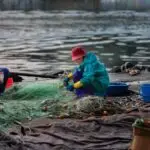
- Natural Resources: The availability of natural resources influences the kind of occupation found in an area. For example, fishing near rivers and farming in fertile land.
- Climate and Weather: Climatic conditions affect jobs. For instance, farming is common in areas with good rainfall.
- Availability of Capital: People engage in occupations that they can afford to start or fund.
- Government Policy: Government laws and regulations can encourage or restrict certain occupations.
- Skills and Talent: Natural ability and personal interest influence the choice of occupation.
- Cultural and Religious Beliefs: Some occupations are avoided or encouraged based on traditions or beliefs.
- Technology and Modernization: Advancement in technology creates new occupations and changes old ones.
- Demand for Goods and Services: People often choose occupations that are needed or profitable in their area.
Differences Between Direct and Indirect Services
Services are activities people perform to satisfy the needs of others for payment. Direct and indirect services differ based on how they relate to the public.
The following are the differences between direct and indirect services:
- Direct Services are provided directly to people to meet their personal needs, while Indirect Services support production or the economy without direct contact with consumers.
- Direct services include jobs like doctors, teachers, barbers, and drivers, while indirect services include bankers, factory workers, and engineers.
- Direct services depend mainly on human effort and immediate contact with clients, while indirect services depend more on machinery, tools, and organization.
- Payment for direct services is often made immediately, while in indirect services it may be made after production or over time.
- Direct services focus on personal satisfaction, while indirect services focus on producing or distributing goods and other services.
Examples include:
- Direct Services: Doctor, Teacher, Barber, Waiter, Driver.
- Indirect Services: Banker, Mechanic, Engineer, Factory Worker, Accountant.
Teaching Methods/Instructional Techniques:
Discussion, Lecture, Explanation, Question and Answer, Demonstration, Group Work, Use of Visual Aids
Instructional Procedures
To deliver this lesson, the teacher will adopt the following steps:
Step 1: Introduction
Time: 5 minutes
Teaching Skill: Set Induction
Teacher’s Activity: Teacher asks pupils to mention what their parents or guardians do for a living and relates responses to occupations.
Pupils’ Activity: Pupils share different examples of occupations they know.
Learning Point: Pupils recall their prior knowledge of types of occupation.
Step 2: Factors Affecting Occupation
Time: 10 minutes
Teaching Skill: Explanation
Teacher’s Activity: Teacher explains and discusses factors that influence occupation using examples and charts.
Pupils’ Activity: Pupils listen, identify, and discuss examples from their environment.
Learning Point: Pupils understand the various factors that determine the type of occupation people choose.
Step 3: Differences Between Direct and Indirect Services
Time: 10 minutes
Teaching Skill: Discussion
Teacher’s Activity: Teacher explains the meaning and differences between direct and indirect services using real-life examples.
Pupils’ Activity: Pupils participate by classifying examples given by the teacher.
Learning Point: Pupils can differentiate between direct and indirect services.
Step 4: Class Activity and Demonstration
Time: 10 minutes
Teaching Skill: Demonstration
Teacher’s Activity: Teacher shows pictures or videos of different service providers and asks pupils to identify whether they provide direct or indirect services.
Pupils’ Activity: Pupils classify and give reasons for their answers.
Learning Point: Pupils apply knowledge by identifying types of services in their community.
Step 5: Note-Taking
Time: 5 minutes
Teaching Skill: Explanation
Teacher’s Activity: Teacher dictates or writes the lesson summary on the board for pupils to copy.
Pupils’ Activity: Pupils copy the note into their exercise books.
Learning Point: Pupils have a written record of the lesson.
Step 6: Evaluation/Review
Time: 3 minutes
Teaching Skill: Questioning
Teacher’s Activity: The teacher evaluates the learning by asking the following questions:
- Mention four factors that affect occupation.
- State three differences between direct and indirect services.
- Give two examples each of direct and indirect services.
Pupils’ Activity: Pupils answer the questions orally.
Learning Point: Pupils recall and demonstrate understanding of the lesson content.
Step 7: Conclusion
Time: 2 minutes
Teaching Skill: Reinforcement
Teacher’s Activity: Teacher summarizes key points, emphasizes career awareness, and encourages pupils to value all honest occupations.
Pupils’ Activity: Pupils listen and ask questions where necessary.
Learning Point: Pupils appreciate the value of different occupations and services in society.
Home Task: Give three correct examples of Occupation (Part 2) and explain what each example shows.
Lesson Keywords
- Occupation – work people do to earn a living
- Service – work done for others in exchange for payment
- Direct Service – service provided directly to people
- Indirect Service – service provided indirectly through production or support
- Technology – use of machines and tools to perform work
Differentiation
Teacher supports slower learners with repeated explanations and visual examples, while advanced learners identify and discuss more examples of occupations in their environment.
Note for teachers using this lesson plan
Use relatable community examples to make the topic meaningful. Encourage participation and ensure pupils understand that every occupation contributes to society’s development.


Community Join the conversation Open discussion +