

Class: Senior Secondary School 1 (SS1 / SSS1)
Term: 1st Term
Week: 5
Age: 15 years
Duration: 45 minutes
Subject: Tourism
Curriculum Theme: Trade
Previous Lesson: Ecosystem: Defition of Ecosystem, Biotic And Abiotic Components And Environmental Balance Cycles.
Topic: Climate change
Subject Matter: Climate change definition, Levels of climate change, Microclimate change, Mesoclimate change, Macroclimate change, Causes of climate change, Natural factors, Human factors, Environmental hazard definition, Forms of environmental hazards, Soil erosion, Desert encroachment, Drought, Deforestation, Flooding, Coastal erosion, Pollution water land air.
Specific Objectives
By the end of the lesson, pupils should be able to:
Cognitive Domain:
- Define climate change.
- Identify the different levels of climate change.
- Explain the natural and human causes of climate change.
- Define environmental hazard.
- List various forms of environmental hazards.
Affective Domain:
- Appreciate the impact of climate change on the environment and human life.
- Show concern for environmental protection and sustainable practices.
Psychomotor Domain:
- Write down key definitions and explanations of climate change and environmental hazards.
- Identify examples of environmental hazards from pictures or videos.
Social Domain:
- Discuss with peers the local effects of climate change and environmental hazards.
- Collaborate in suggesting ways to mitigate environmental issues.
Reference Materials
The following resources were used in planning this lesson:
- 9 Years Basic Education Curriculum for Tourism.
- State Unified Scheme of Work for Senior Secondary School Tourism.
- Comprehensive Tourism for Senior Secondary Schools.
- https://www.google.com/search?q=climate+change
- https://www.youtube.com/results?search_query=climate+change+for+secondary+school+students
Instructional Materials
The teacher will teach this lesson with the aid of:
- Pictures showing effects of climate change and environmental hazards.
- Videos illustrating climate change and various hazards.
- Printed news articles on environmental hazards.
- Whiteboard and markers.
Rationale for the Lesson
This lesson helps pupils understand the significant changes happening to our climate and environment. It enables them to recognize how human activities and natural processes contribute to these changes and the hazards they create, promoting awareness and responsibility towards environmental care.
Prerequisite/Previous Knowledge
Pupils are expected to have basic knowledge of weather, seasons, and natural phenomena from their earlier studies in Integrated Science or Social Studies.
Lesson Content/Board Summary
Climate Change and Environmental Hazards
Climate Change
Climate change refers to significant and lasting changes in the statistical distribution of weather patterns over periods ranging from decades to millions of years.
Levels of Climate Change
Climate change can be observed at different levels:
- Microclimate change: This refers to changes in climate over a very small area, such as a garden, a specific street, or a small urban park.
- Mesoclimate change: This involves changes in climate over a medium-sized area, like a specific region, a large city, or a valley.
- Macroclimate change: This describes large-scale changes in climate affecting continents or the entire globe, often referred to as global climate change.
Causes of Climate Change
Climate change is caused by both natural and human (anthropogenic) factors.
The natural factors include:
- Volcanic eruptions: These release gases and particles into the atmosphere, affecting global temperatures.
- Solar radiation variations: Changes in the sun’s energy output can influence Earth’s climate.
- Ocean currents: Shifts in ocean currents redistribute heat around the globe, impacting regional climates.
- Earth’s orbital changes: Long-term variations in Earth’s orbit and axial tilt can affect the amount of solar energy received.
The human factors include:
- Burning of fossil fuels: The combustion of coal, oil, and natural gas for energy releases large amounts of greenhouse gases (e.g., carbon dioxide) into the atmosphere.
- Deforestation: The clearing of forests reduces the number of trees that absorb carbon dioxide, leading to more greenhouse gases in the atmosphere.
- Industrial processes: Many industrial activities release greenhouse gases and other pollutants.
- Agricultural activities: Livestock farming produces methane, and the use of fertilizers releases nitrous oxide, both potent greenhouse gases.
Environmental Hazard
An environmental hazard is any natural or human-made event or situation that poses a threat to human life, property, or the environment.
Forms of Environmental Hazards
Some common forms of environmental hazards include:
- Soil erosion: The wearing away of topsoil by natural forces like wind and water, leading to loss of fertile land.
- Desert encroachment: The expansion of desert conditions into previously fertile areas, often due to climate change and human activities like overgrazing.
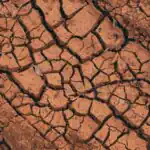
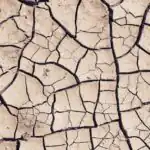
- Drought: A prolonged period of abnormally low rainfall, leading to water scarcity, crop failure, and famine.
- Deforestation: The clearing of forest land for other uses, often leading to loss of biodiversity, soil degradation, and increased carbon dioxide in the atmosphere.
- Flooding: An overflow of water that submerges land that is usually dry, often caused by heavy rainfall, overflowing rivers, or coastal storms.
- Coastal erosion: The wearing away of land and the removal of beach or dune sediments by wave action, tidal currents, and high winds, threatening coastal communities.
- Pollution: The introduction of harmful substances or products into the environment. It can be:
- Water pollution: Contamination of water bodies by industrial waste, sewage, or agricultural run-off.
- Land pollution: Contamination of land surfaces by solid waste, chemicals, or hazardous materials.
- Air pollution: Contamination of the atmosphere by gases, dust, and smoke from vehicles, industries, and burning of waste.
Teaching Methods/Instructional Techniques
Discussion, Lecture, Demonstration, Question and Answer, Visual Aids
Instructional Procedures
Step 1: Introduction
Time: 5 minutes
Teaching Skill: Set Induction
Teacher’s Activity: The teacher greets the pupils and asks them to recall what they understand by ‘weather’ and ‘season’. The teacher then introduces the topic “Climate Change and Environmental Hazards” by asking pupils if they have noticed any changes in weather patterns over the years, like unusual rainfall or extreme heat.
Pupils’ Activity: Pupils respond to the questions and share their observations.
Learning Point: Pupils are introduced to the concept of climate change and its relevance.
Step 2: Explanation of Climate Change
Time: 10 minutes
Teaching Skill: Explanation/Definition
Teacher’s Activity: The teacher explains the definition of climate change, emphasizing that it involves long-term shifts in weather patterns. The teacher uses simple examples to differentiate between daily weather and long-term climate.
Pupils’ Activity: Pupils listen attentively, take notes, and ask questions for clarification.
Learning Point: Pupils understand the meaning of climate change.
Step 3: Explanation of Levels of Climate Change
Time: 5 minutes
Teaching Skill: Elaboration/Classification
Teacher’s Activity: The teacher explains the three levels of climate change: microclimate, mesoclimate, and macroclimate, providing examples for each to help pupils understand the scale of changes.
Pupils’ Activity: Pupils listen and note the different levels and their distinctions.
Learning Point: Pupils can differentiate between the various levels of climate change.
Step 4: Explanation of Causes of Climate Change
Time: 5 minutes
Teaching Skill: Analysis/Listing
Teacher’s Activity: The teacher discusses both natural and human factors contributing to climate change. The teacher uses pictures or short video clips to illustrate concepts like deforestation and industrial emissions.
Pupils’ Activity: Pupils observe the visual aids, identify the causes, and list them in their notes.
Learning Point: Pupils identify and understand the natural and human causes of climate change.
Step 5: Definition of Environmental Hazard
Time: 5 minutes
Teaching Skill: Definition/Concept Formation
Teacher’s Activity: The teacher defines what an environmental hazard is, explaining that these are threats to life, property, and the environment. The teacher asks pupils to think of any hazards they have experienced or heard about.
Pupils’ Activity: Pupils listen, contribute ideas, and write down the definition.
Learning Point: Pupils understand the concept of an environmental hazard.
Step 6: Explanation of Forms of Environmental Hazards
Time: 5 minutes
Teaching Skill: Illustration/Categorization
Teacher’s Activity: The teacher explains various forms of environmental hazards such as soil erosion, desert encroachment, drought, deforestation, flooding, coastal erosion, and different types of pollution (water, land, air). The teacher uses pictures or news clippings of these hazards in Nigeria to make the lesson relatable.
Pupils’ Activity: Pupils observe the illustrations, ask questions, and list the forms of environmental hazards.
Learning Point: Pupils can identify and describe various forms of environmental hazards.
Step 7: Evaluation/Review
Time: 5 minutes
Teaching Skill: Questioning/Assessment
Teacher’s Activity: The teacher evaluates the learning by asking the following questions:
- Define climate change.
- Mention three levels of climate change.
- State two natural causes of climate change.
- List three human factors contributing to climate change.
- What is an environmental hazard?
- Enumerate four forms of environmental hazards.
Pupils’ Activity: Pupils answer orally and in writing.
Learning Point: Pupils demonstrate understanding of the lesson.
Step 8: Conclusion
Time: 5 minutes
Teaching Skill: Summarization/Reinforcement
Teacher’s Activity: The teacher summarizes the key points of the lesson, emphasizing the importance of understanding climate change and environmental hazards for a sustainable future. The teacher encourages pupils to be environmentally conscious.
Pupils’ Activity: Pupils listen to the summary and reflect on the lesson.
Learning Point: Pupils consolidate their understanding and recognize the importance of environmental responsibility.
Lesson Keywords
- Climate Change – Long-term shifts in temperatures and weather patterns.
- Microclimate – Climate of a very small area.
- Mesoclimate – Climate of a medium-sized region or city.
- Macroclimate – Climate of a large area like a continent or the globe.
- Environmental Hazard – A threat to human life, property, or the environment.
- Deforestation – Clearing of forests.
- Pollution – Introduction of harmful substances into the environment.
- Soil Erosion – Wearing away of topsoil.
- Drought – Prolonged period of low rainfall.
Differentiation
The teacher will use a variety of instructional methods including visual aids and group discussions to cater to different learning styles. More advanced pupils may be encouraged to research specific local environmental hazards, while those needing more support will receive simplified explanations and targeted questions.
Note for teachers using this lesson plan
Teachers should adapt the lesson content and activities to suit the specific needs and context of their pupils and school environment. Encouraging local examples and pupil participation will enhance engagement and understanding.


Community Join the conversation Open discussion +