

Class: Junior Secondary School 2 (JSS2, JSS 2)
Term: 1st Term
Week: 4
Age: 13 years
Duration: 45 minutes
Subject: Basic Science And Technology
Curriculum Theme: Basic Technology
Previous Lesson: Materials and Their Common Uses: Wood and Metal
Topic: Materials And Their Common Uses (Part 2)
Subject Matter: Ceramics/glass, Rubber, Plastics
Specific Objectives
By the end of the lesson, pupils should be able to:
- Cognitive Domain:
(a) Describe ceramics, rubber, and plastics as important engineering and domestic materials.
(b) State common uses and properties of ceramics, rubber, and plastics. - Affective Domain:
(a) Appreciate the importance of selecting the right material for specific purposes. - Psychomotor Domain:
(a) Identify and classify real-life samples of ceramics, rubber, and plastic materials. - Social Domain:
(a) Work collaboratively in groups to discuss the significance of these materials in daily life.
Reference Materials
The following resources was used in planning this lesson:
- 9 Years Basic Education Curriculum
- Lagos State Unified Scheme of Work for Junior Secondary Schools
- Britannica – “Rubber Material” (https://www.britannica.com/science/rubber-chemical-compound)
- Relevant Textbooks
Instructional Materials
The teacher will teach this lesson with the aid of:
- Samples of ceramic items (cups, plates, tiles)
- Samples of rubber materials (erasers, tyres, gloves)
- Samples of plastic materials (bottles, containers, chairs)
- Flashcards showing properties and uses of materials
- Chart showing comparison between ceramics, rubber, and plastics
Rationale for the Lesson
Understanding ceramics, rubber, and plastics helps students make informed choices in their daily lives and future careers in technology, engineering, and manufacturing.
Prerequisite/Previous Knowledge
Pupils have previously learned about metals and wood as common materials and their uses. They are familiar with common household items made from various materials.
Lesson Content/Board Summary
Materials and Their Common Uses
Ceramics and Glass
Ceramics are non-metallic, inorganic materials made by heating clay or other minerals at high temperatures. They are usually hard, brittle, heat-resistant, and durable. Glass is a type of ceramic made by melting sand and other minerals until they form a transparent, solid material.
The following are common uses of ceramics and glass:
- Making household utensils such as plates, cups, and tiles.
- Construction materials such as bricks, roof tiles, and floor tiles.
- Electrical insulators used in power lines and electrical devices.
- Laboratory equipment like crucibles and beakers.
- Decorative items such as vases, sculptures, and ornaments.
- Glass is used for windows, mirrors, bottles, and optical lenses.
Rubber
Rubber is an elastic material obtained naturally from latex of rubber trees or made synthetically from petroleum by-products. It is flexible, water-resistant, and durable, which makes it suitable for many applications.
The following are common uses of rubber:
- Manufacturing vehicle tyres and tubes.
- Making footwear like shoes and boots.
- Production of belts, hoses, and seals in machinery.
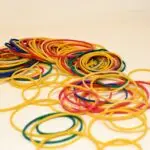
- Making gloves, balloons, and elastic bands.
- Used in waterproof materials and raincoats.
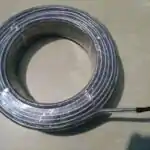
- Insulation of electrical wires and components.
Plastics
Plastics are synthetic materials made from petrochemicals. They are lightweight, mouldable, resistant to corrosion, and used widely due to their versatility. Plastics can be rigid or flexible depending on their type.
The following are common uses of plastics:
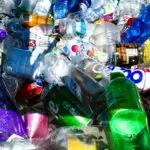
- Packaging materials like bottles, bags, and containers.
- Manufacturing household items such as chairs, buckets, and kitchen utensils.
- Electrical insulation and cable coverings.
- Automobile parts and machine casings.
- Toys, medical equipment, and disposable items.
- Pipes and fittings in plumbing systems.
Teaching Methods/Instructional Techniques:
Lecture, Explanation, Demonstration, Group Work, Question and Answer, Discussion, Visual Aids
Instructional Procedures
To deliver this lesson, the teacher will adopt the following steps:
Step 1: Introduction
Time: 5 minutes
Teaching Skill: Set Induction
Teacher’s Activity: Teacher shows samples of different materials and asks pupils to identify them. Teacher reviews previous lesson on metals and wood.
Pupils’ Activity: Pupils identify materials and recall prior knowledge.
Learning Point: Pupils connect previous knowledge with new concepts.
Step 2: Ceramics and Glass
Time: 10 minutes
Teaching Skill: Explanation
Teacher’s Activity: Teacher explains ceramics and glass, discusses their properties, and shows examples.
Pupils’ Activity: Pupils listen, observe samples, and ask questions.
Learning Point: Pupils understand properties and uses of ceramics and glass.
Step 3: Rubber
Time: 10 minutes
Teaching Skill: Discussion
Teacher’s Activity: Teacher discusses types, properties, and uses of rubber and shows examples.
Pupils’ Activity: Pupils examine rubber samples and discuss uses.
Learning Point: Pupils understand the importance and applications of rubber.
Step 4: Plastics
Time: 10 minutes
Teaching Skill: Explanation
Teacher’s Activity: Teacher describes plastics, their properties, and uses and shows various plastic materials.
Pupils’ Activity: Pupils identify plastic items and state their uses.
Learning Point: Pupils understand the significance and variety of plastic materials.
Step 5: Note-Taking
Time: 5 minutes
Teaching Skill: Explanation
Teacher’s Activity: Teacher writes the board summary for pupils to copy.
Pupils’ Activity: Pupils copy notes into their books.
Learning Point: Pupils have a written record of the lesson.
Step 6: Evaluation/Review
Time: 3 minutes
Teaching Skill: Questioning
Teacher’s Activity: The teacher evaluates the learning by asking the following questions:
- List three common uses of ceramics.
- State two properties and two uses of rubber.
- Mention four items made from plastics.
Pupils’ Activity: Pupils respond orally to questions.
Learning Point: Pupils demonstrate understanding of the lesson.
Step 7: Conclusion
Time: 2 minutes
Teaching Skill: Reinforcement
Teacher’s Activity: Teacher summarizes the lesson and links it to the next topic.
Pupils’ Activity: Pupils listen and ask questions.
Learning Point: Pupils consolidate their understanding of the topic.
Lesson Keywords
- Ceramics – non-metallic materials formed by heating clay at high temperatures
- Glass – a transparent ceramic made by melting sand and minerals
- Rubber – an elastic material obtained from latex or synthetic sources
- Plastics – synthetic materials derived from petroleum and moulded into shapes
- Insulator – a material that resists the flow of electricity
Differentiation
Use real-life samples and visuals for learners who struggle with theory. Advanced learners may be tasked with classifying materials by properties and uses.
Note for teachers using this lesson plan
Always handle ceramic and glass samples with care to prevent accidents. Encourage pupils to relate the materials discussed to real-life applications in their environment.
Community Join the conversation Open discussion +