

Note for teachers using this lesson plan
Before this lesson, ensure you have real toilet items like soap, a small towel, and pictures of a clean toilet readily available. The central idea is for pupils to understand and practice the basic steps of safe toilet use and thorough hand washing. Observe pupils as they imitate the actions to ensure they grasp the correct sequence and importance of hygiene.
Class: Pre-School Level 2
Term: Third Term
Week: 10
Age: 3 years
Duration: 30 minutes
Subject: Health Habits
Curriculum Theme: Health Habits
Previous Lesson: [Previous lesson on general cleanliness or body parts]
Topic: TOILET HYGIENE: SAFE TOILET USE AND HAND WASHING
Subject Matter: Toilet Hygiene: Safe Toilet Use and Hand Washing
Specific Objectives
By the end of the lesson, pupils should be able to:
Cognitive Domain
- Identify common items found in a toilet (e.g., toilet, soap, water, tissue).
- Recall simple steps for safe toilet use.
- State the importance of washing hands after using the toilet.
Affective Domain
- Show willingness to practice good toilet hygiene.
- Appreciate the importance of keeping themselves clean.
Psychomotor Domain
- Demonstrate how to sit properly on the toilet.
- Practise the basic steps of washing hands with soap and water.
- Imitate the action of using tissue paper or water for cleaning.
Social Domain
- Participate actively in discussions and practical activities related to toilet hygiene.
Reference Materials
- NAPPS National Unified Teaching Scheme for Pre-School Level 2
- Relevant Early Childhood Care and Education resources
Instructional Materials
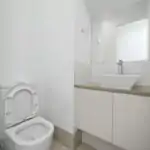
- Pictures of different types of toilets (squatting, sitting)
- Real toilet items: toilet roll/tissue paper, small bar of soap, clean towel
- Picture cards showing steps for toilet use and hand washing
- Chart posters illustrating hygiene steps
- A basin of water for demonstration (if no direct access to a tap)
Rationale for the Lesson
This lesson is important for 3-year-olds as it teaches them essential life skills for personal hygiene and self-care. Learning safe toilet use and hand washing helps prevent the spread of germs and promotes good health from an early age, building a foundation for lifelong healthy habits.Prerequisite/Previous Knowledge
Pupils can identify some parts of their body and understand simple instructions about keeping themselves clean, such as washing their face or bathing.Lesson Content/Board Summary
TOILET HYGIENE: SAFE TOILET USE AND HAND WASHING
Toilet Hygiene means keeping yourself and the toilet clean when you use it.
Safe Toilet Use
- Go to the toilet when you need to.
- Sit properly on the toilet seat (or squat correctly if it’s a squat toilet).
- Use tissue paper or water to clean yourself from front to back.
- Put used tissue paper in the dustbin (if available) or flush it down the toilet.
- Flush the toilet after use.
Hand Washing
Washing your hands with soap and water helps remove germs and keeps you healthy.
- Wet your hands with clean water.
- Put a little soap on your hands.
- Rub your hands together to make bubbles (front, back, between fingers).
- Rinse your hands well with clean water.
- Dry your hands with a clean towel or air dry.
Key Words
- Toilet – A place where we go to pass out waste from our body.
- Hygiene – Keeping yourself and your surroundings clean.
- Soap – What we use to wash our hands and body to remove dirt and germs.
- Wash – To clean with water and soap.
- Clean – Free from dirt and germs.
Clean Hands Song
Tune: “Twinkle, Twinkle Little Star”
Wash, wash, wash your hands,
Rub them, rub them, clean and grand.
Soap and water, make them shine,
Clean hands, clean hands, all the time.
Wash, wash, wash your hands,
Rub them, rub them, clean and grand.
Actions: Mimic washing hands, rubbing palms, rubbing back of hands, rubbing between fingers.
Watch and Practise Hand Washing
💡 Teacher Guide for Using This Board Summary
How to teach the content: Introduce the topic by asking pupils what they do after using the toilet. Use the pictures of toilets and toilet items to explain what each item is for. Go through the steps for safe toilet use and hand washing clearly, using simple language. Emphasize the “front to back” cleaning for girls and the importance of flushing and proper disposal of tissue.
What to show or demonstrate: Show real tissue paper, soap, and a towel. Demonstrate the actions for sitting on the toilet (using a small chair), using tissue (without actually using it), and flushing. Most importantly, demonstrate the full handwashing sequence using water and soap, explaining each step as you go.
How to use the rhyme/song: Sing the “Clean Hands Song” several times with the pupils, encouraging them to do the actions. Use it as a transition or a reinforcement activity after demonstrating hand washing.
How to use the video: Introduce the video as a fun way to learn about washing hands. Play the video once for pupils to watch. Then, play it again, encouraging them to sing along and perform the handwashing actions as shown in the video. Discuss what they saw and what they should do.
What to watch for: Observe if pupils can correctly identify the toilet items and if they can imitate the handwashing steps accurately. Watch for any confusion about flushing or tissue disposal. Reinforce the “front to back” cleaning direction.
Teaching Methods/Instructional Techniques
- Demonstration
- Guided Practice
- Songs and Rhymes
- Picture Talk
- Question and Answer
- Role-play (simulated toilet use)
- Video Learning
- Repetition
Instructional Procedures
Step 1: Introduction
Time: 3 minutes
Teaching Skill: Engaging/Recalling
Teacher’s Activity: The teacher greets the pupils and asks them what they do to keep themselves clean every day. The teacher then introduces the topic: “Today, we will learn about how to use the toilet safely and how to wash our hands very well.”
Pupils’ Activity: Pupils respond to greetings and share simple ways they keep clean (e.g., “I bath,” “I brush my teeth”). They listen attentively to the introduction.
Learning Point: Pupils are introduced to the lesson topic and its relevance to their daily lives.
Step 2: Exploring Toilet Items and Safe Use
Time: 5 minutes
Teaching Skill: Explaining/Identifying
Teacher’s Activity: The teacher shows pictures of different toilets and real toilet items (toilet roll, soap). The teacher asks, “What is this?” and explains the function of each item. The teacher then discusses the steps for safe toilet use, using the picture cards.
Pupils’ Activity: Pupils identify the items and listen to the explanations. They point to the pictures as the teacher names them.
Learning Point: Pupils identify toilet items and understand the basic concept of safe toilet use.
Step 3: Demonstration of Safe Toilet Use
Time: 5 minutes
Teaching Skill: Demonstrating/Modelling
Teacher’s Activity: The teacher uses a small chair or a designated area to demonstrate how to sit properly on a toilet. The teacher also demonstrates how to pretend to use tissue paper or water for cleaning and how to dispose of it or flush.
Pupils’ Activity: Pupils watch the teacher’s demonstration carefully, observing the correct posture and actions.
Learning Point: Pupils observe the correct way to use the toilet safely.
Step 4: Guided Practice of Toilet Use Actions
Time: 4 minutes
Teaching Skill: Guiding/Practising
Teacher’s Activity: The teacher guides pupils to imitate the actions for safe toilet use (sitting, pretending to clean, pretending to flush). The teacher provides positive reinforcement.
Pupils’ Activity: Pupils practice sitting properly and imitating the cleaning and flushing actions under the teacher’s guidance.
Learning Point: Pupils physically practice the steps of safe toilet use.
Step 5: Demonstration of Hand Washing
Time: 4 minutes
Teaching Skill: Demonstrating/Sequencing
Teacher’s Activity: The teacher takes pupils to a handwashing station (or uses a basin). The teacher demonstrates the full sequence of hand washing: wetting hands, applying soap, rubbing palms, rubbing the back of hands, rubbing between fingers, rinsing, and drying with a towel. The teacher sings the “Clean Hands Song” while demonstrating.
Pupils’ Activity: Pupils watch the teacher’s demonstration of hand washing and listen to the song.
Learning Point: Pupils observe the correct steps for thorough hand washing.
Step 6: Guided Practice of Hand Washing and Video Reinforcement
Time: 5 minutes
Teaching Skill: Facilitating/Reinforcing
Teacher’s Activity: The teacher guides pupils to practice the handwashing steps with water and soap (if feasible, otherwise dry practice). The teacher plays the “Wash Your Hands Song” video and encourages pupils to sing along and perform the actions.
Pupils’ Activity: Pupils practice washing their hands (or imitating the actions) and actively participate in the song and video, mimicking the movements.
Learning Point: Pupils physically practice hand washing and reinforce learning through song and video.
Step 7: Evaluation/Review
Time: 4–5 minutes
Teaching Skill: Questioning/Assessment
Teacher’s Activity: The teacher checks pupils’ understanding through short questions and practical tasks.
- “What do we use to wash our hands?” (Show soap).
- “Show me how you sit on the toilet.” (Pupils demonstrate).
- “What do you do after using the toilet?” (Pupils respond: flush, wash hands).
- “Show me how you rub your hands when washing.” (Pupils demonstrate).
Pupils’ Activity: Pupils respond orally and demonstrate the required skill where appropriate.
Learning Point: Pupils demonstrate understanding of the lesson.
Step 8: Conclusion
Time: 1 minute
Teaching Skill: Summarizing/Encouraging
Teacher’s Activity: The teacher praises the pupils for their participation and reminds them to always use the toilet safely and wash their hands afterwards. “Remember, clean hands keep us healthy!”
Pupils’ Activity: Pupils listen and repeat, “Clean hands keep us healthy!”
Learning Point: Pupils are encouraged to apply what they have learned.
Lesson Keywords
- Toilet – A special place to pass out waste.
- Hygiene – Keeping clean.
- Wash – To clean with water and soap.
- Soap – What we use to make our hands clean.
- Clean – Not dirty.
Differentiation
- Support: For pupils who struggle, provide more one-on-one demonstration and hand-over-hand guidance during handwashing practice. Use larger, clearer pictures for identification. Repeat instructions slowly and clearly.
- Extension: Encourage advanced pupils to explain to a peer why hand washing is important. Ask them to name two things they must do after using the toilet.
Community Join the conversation Open discussion +