

Class: Junior Secondary School 1 (JSS1, JSS 1)
Term: 2nd Term
Week: 5
Age: 12 years
Duration: 45 minutes
Subject: History
Curriculum Theme: History
Previous Lesson: The People and Occupational Activities of Ile, Ife
Topic: Historical Sites in Nigeria – Ile-Ife (Part 5)
Subject Matter: Significance of ile-Ife Culture in Nigerian History
Specific Objectives
By the end of the lesson, pupils should be able to:
- Cognitive Domain:
(a) Identify the significance of Ile-Ife in Nigerian history.
(b) Explain how Ife culture influenced other Nigerian societies. - Affective Domain:
(a) Appreciate the cultural and historical importance of Ile-Ife to Nigeria’s heritage. - Psychomotor Domain:
(a) Draw or identify key Ife cultural symbols such as the bronze head and ancient artifacts. - Social Domain:
(a) Participate cooperatively in group discussions about the influence of Ife culture in Nigerian traditions.
Reference Materials
The following resources were used in planning this lesson:
- 9 Years Basic Education Curriculum
- Lagos State Unified Scheme of work for Junior Secondary Schools
- UNESCO – “Ile-Ife, the Ancient Yoruba City” (https://whc.unesco.org/en/tentativelists/5172/)
- Relevant Textbooks
Instructional Materials
The teacher will teach this lesson with the aid of:
- Pictures of Ife artifacts (bronze and terracotta heads)
- Map of Nigeria showing location of Ile-Ife
- Charts showing traditional rulers and ancient Ife sculptures
- Projector or visual slides of cultural festivals in Ile-Ife
- Whiteboard and markers
Rationale for the Lesson
This lesson helps pupils understand the historical and cultural significance of Ile-Ife as the ancestral home of the Yoruba and its influence on Nigerian civilization and identity.
Prerequisite/Previous Knowledge
Pupils have previously learned about the origin and history of Ile-Ife as one of the earliest historical sites in Nigeria and can recall its role as the cradle of Yoruba civilization.
Lesson Content/Board Summary
Historical Sites in Nigeria – Ile-Ife
The Significance of Ile-Ife in Nigerian History
Ile-Ife is regarded as the spiritual and cultural home of the Yoruba people and one of the most important ancient cities in Nigeria. It is believed to be the birthplace of mankind according to Yoruba mythology and the starting point of many Yoruba kingdoms.
The following are the significance of Ile-Ife in Nigerian history:
- Ile-Ife is known as the cradle of Yoruba civilization and culture.
- It served as a major political and religious center in ancient times.
- It is believed to be the origin of many Yoruba kingdoms such as Oyo, Ijebu, and Ondo.
- The city produced great works of art, especially bronze and terracotta sculptures.
- It was the home of Oduduwa, the ancestral father of the Yoruba people.
- Ife influenced other Nigerian cultures through trade, art, and leadership systems.
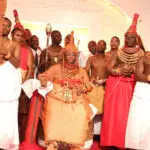
- The traditional ruler of Ife, known as the Ooni of Ife, remains a respected figure in Nigeria today.
Cultural Contributions of Ile-Ife
The culture of Ile-Ife reflects in various aspects of Nigerian life such as art, religion, and leadership. Ife people were skilled craftsmen, religious innovators, and great organizers of traditional society.
These include:
- The development of the famous Ife bronze and terracotta artworks, which show advanced artistic skills.
- The establishment of traditional religion centered around gods like Oduduwa and Obatala.
- The creation of a monarchy system that influenced other Yoruba and Nigerian kingdoms.
- The celebration of cultural festivals such as the Olojo Festival that promote unity and heritage.
- The preservation of oral traditions and myths that form part of Nigerian history.
Influence of Ife Culture on Other Nigerian Societies
Ife culture spread widely across Nigeria through migration, intermarriage, and trade. The city’s political, social, and religious practices influenced other tribes and regions.
The following are the ways Ife culture influenced other Nigerian societies:
- Many Yoruba towns trace their origin to Ile-Ife.
- The art and sculpture styles of other ancient kingdoms, such as Benin, were influenced by Ife.
- The system of traditional kingship in parts of Nigeria follows the model of Ife monarchy.
- Ife religious beliefs contributed to the spread of traditional Yoruba religion and worship.
- Ife’s festivals and customs encouraged cultural unity and identity among the Yoruba people.
Teaching Methods/Instructional Techniques:
Discussion, Lecture, Storytelling, Explanation, Visual Aids, Question and Answer, Group Work
Instructional Procedures
To deliver this lesson, the teacher will adopt the following steps:
Step 1: Introduction
Time: 5 minutes
Teaching Skill: Set Induction
Teacher’s Activity: The teacher narrates a brief story about Oduduwa and the origin of Ile-Ife to capture pupils’ attention.
Pupils’ Activity: Pupils listen and share what they already know about Ile-Ife.
Learning Point: Pupils are motivated and ready to learn about the significance of Ile-Ife in Nigerian history.
Step 2: Significance of Ile-Ife
Time: 10 minutes
Teaching Skill: Explanation
Teacher’s Activity: The teacher explains the historical and cultural importance of Ile-Ife and lists key points on the board.
Pupils’ Activity: Pupils listen, take notes, and ask questions.
Learning Point: Pupils understand why Ile-Ife is regarded as the cradle of Yoruba civilization.
Step 3: Cultural Contributions of Ile-Ife
Time: 10 minutes
Teaching Skill: Discussion
Teacher’s Activity: The teacher discusses the cultural achievements of Ile-Ife and displays pictures of Ife artworks.
Pupils’ Activity: Pupils identify and describe what they see in the pictures.
Learning Point: Pupils recognize the cultural contributions of Ile-Ife to Nigerian history.
Step 4: Influence of Ife Culture
Time: 10 minutes
Teaching Skill: Demonstration
Teacher’s Activity: The teacher shows how Ife’s traditions spread to other regions using a map and examples.
Pupils’ Activity: Pupils point out locations on the map and discuss how the culture spread.
Learning Point: Pupils understand how Ife culture influenced other Nigerian societies.
Step 5: Note-Taking
Time: 5 minutes
Teaching Skill: Explanation
Teacher’s Activity: The teacher writes the summarized lesson content on the board for pupils to copy.
Pupils’ Activity: Pupils copy the notes neatly into their notebooks.
Learning Point: Pupils have written notes on the significance and influence of Ife culture.
Step 6: Evaluation/Review
Time: 3 minutes
Teaching Skill: Questioning
Teacher’s Activity: The teacher evaluates the learning by asking the following questions:
- Mention three reasons why Ile-Ife is important in Nigerian history.
- List two cultural contributions of Ile-Ife.
- Explain one way in which Ife culture influenced other Nigerian societies.
Pupils’ Activity: Pupils answer the questions orally.
Learning Point: Pupils demonstrate understanding of the lesson objectives.
Step 7: Conclusion
Time: 2 minutes
Teaching Skill: Reinforcement
Teacher’s Activity: The teacher summarizes the key points and encourages pupils to value Nigeria’s historical heritage.
Pupils’ Activity: Pupils listen attentively and reflect on the importance of preserving culture.
Learning Point: Pupils appreciate the role of Ile-Ife in shaping Nigerian history and identity.
Home Task: Write a short, evidence-based paragraph about one safe and relevant example of Historical Sites in Nigeria – Ile-Ife (Part 5).
Lesson Keywords
- Ile-Ife – ancient Yoruba city known as the cradle of civilization
- Oduduwa – the legendary ancestor of the Yoruba people
- Terracotta – baked clay used for making sculptures
- Ooni – traditional ruler of Ile-Ife
- Civilization – advanced stage of social, cultural, and political development
Differentiation
Provide visual aids and simplified notes for slower learners, while advanced learners can research additional facts about Ife artifacts and present brief findings.
Note for teachers using this lesson plan
Ensure pupils connect the lesson to modern Nigeria by highlighting how cultural pride and traditions continue today. Encourage questions and participation during storytelling.


Community Join the conversation Open discussion +