

Class: Junior Secondary School 1 (JSS1, JSS 1)
Term: 2nd Term
Week: 6
Age: 12 years
Duration: 45 minutes
Subject: History
Curriculum Theme: History
Previous Lesson: Significance of Ile, Ife Culture and Its Influence on Nigerian History
Topic: Historical Sites in Nigeria: Benin (Part 1)
Subject Matter: Location of Benin on the map of Nigeria, Historical background of Benin, Major features of ancient Benin
Specific Objectives
By the end of the lesson, pupils should be able to:
- Cognitive Domain:
(a) Locate Benin on the map of Nigeria.
(b) Describe the historical background of ancient Benin.
(c) Identify major features of ancient Benin as a historical site. - Affective Domain:
(a) Appreciate the cultural and historical importance of Benin in Nigerian history.
(b) Show interest in visiting or preserving Nigerian historical sites. - Psychomotor Domain:
(a) Point out Benin on a map of Nigeria.
(b) Draw or label a simple map showing the location of Benin. - Social Domain:
(a) Work in groups to discuss the heritage of Benin and share findings with the class.
Reference Materials
The following resources were used in planning this lesson:
- 9 Years Basic Education Curriculum
- Lagos State Unified Scheme of Work for Junior Secondary Schools
- Wikipedia – Benin
- Relevant Textbooks
Instructional Materials
The teacher will teach this lesson with the aid of:
- A map of Nigeria showing Edo State and Benin
- Pictures of Benin historical sites (Benin City walls, royal palace, bronze works)
- A chart showing key features of ancient Benin
- Textbook and whiteboard
- Flashcards containing terms like “Oba,” “Kingdom,” and “Edo”
Rationale for the Lesson
This lesson helps pupils understand the geographical location and cultural importance of Benin as a historical site in Nigeria, fostering appreciation of Nigeria’s historical heritage.
Prerequisite/Previous Knowledge
Pupils have learned about Nigerian historical sites generally and can identify some other ancient cities like Ife and Nok on the map.
Lesson Content/Board Summary
Historical Sites in Nigeria: Benin (Part 1)
Location of Benin on the Map of Nigeria
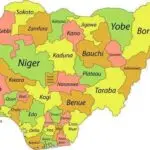
Benin is an ancient city located in the southern part of Nigeria. It is the capital of Edo State and lies within the tropical rainforest region of the country. It is bordered by Ondo State to the north-east, Delta State to the south, and Kogi State to the north.
The following are facts about the location of Benin:
- Benin City is found in the South-South geopolitical zone of Nigeria.
- It lies roughly between latitude 6°20′N and longitude 5°37′E.
- It serves as the administrative and cultural center of the Edo people.
- It is accessible by major roads connecting to Lagos, Asaba, and Abuja.
Historical Background of Ancient Benin
The ancient Benin Kingdom is one of the oldest and most powerful kingdoms in West Africa. It was established long before the 11th century and became well known for its advanced political system, art, and trade with foreign nations.
The following are major points in the history of ancient Benin:
- Benin was originally ruled by the Ogisos before the coming of the Obas.
- The Oba dynasty began with Oba Eweka I, who established the system of monarchy still respected today.
- The kingdom flourished during the reign of Oba Ewuare the Great, who expanded its territory and built city walls.
- Benin traded with the Portuguese in the 15th century, exchanging local goods for firearms and other items.
- The city was invaded and destroyed by the British in 1897 during the Benin Punitive Expedition.
Major Features of Ancient Benin
Ancient Benin is famous for its unique cultural and architectural achievements. The people of Benin are known for their skills in bronze casting, ivory carving, and city planning.
The following are the major features of ancient Benin:
- The Great Benin Walls, one of the largest man-made structures in the world.
- The Royal Palace of the Oba, a symbol of authority and cultural heritage.
- The Benin Bronzes, artworks that represent the craftsmanship of Benin people.
- Organized streets and market systems reflecting advanced urban planning.
- Rich cultural festivals such as the Igue Festival celebrating the Oba and ancestors.
Teaching Methods/Instructional Techniques:
Discussion, Lecture, Storytelling, Explanation, Demonstration, Question and Answer, Map Reading, Group Work
Instructional Procedures
To deliver this lesson, the teacher will adopt the following steps:
Step 1: Introduction
Time: 5 minutes
Teaching Skill: Set Induction
Teacher’s Activity: Teacher asks pupils to mention some known historical sites in Nigeria and leads them to recall previously learned ones like Ife and Nok.
Pupils’ Activity: Pupils respond with examples of historical sites.
Learning Point: Pupils become interested in learning about Benin as another major historical site.
Step 2: Location of Benin on the Map of Nigeria
Time: 10 minutes
Teaching Skill: Explanation
Teacher’s Activity: The teacher displays a map of Nigeria and points out the location of Benin, explaining its geographical features.
Pupils’ Activity: Pupils observe the map and locate Benin.
Learning Point: Pupils can identify the location of Benin on a map.
Step 3: Historical Background of Ancient Benin
Time: 10 minutes
Teaching Skill: Storytelling
Teacher’s Activity: The teacher narrates the history of Benin Kingdom, explaining its rulers and interactions with Europeans.
Pupils’ Activity: Pupils listen and ask questions about Benin’s early rulers and foreign contacts.
Learning Point: Pupils understand the development and importance of ancient Benin.
Step 4: Major Features of Ancient Benin
Time: 10 minutes
Teaching Skill: Demonstration
Teacher’s Activity: Teacher displays pictures of the Benin Walls, Palace, and Bronzes while explaining their cultural meanings.
Pupils’ Activity: Pupils describe the images and note important features.
Learning Point: Pupils identify the major historical features of ancient Benin.
Step 5: Note-Taking
Time: 5 minutes
Teaching Skill: Explanation
Teacher’s Activity: Teacher dictates or writes the board summary for pupils to copy.
Pupils’ Activity: Pupils copy the note neatly into their books.
Learning Point: Pupils have accurate notes on Benin’s location, history, and features.
Step 6: Evaluation/Review
Time: 3 minutes
Teaching Skill: Questioning
Teacher’s Activity: The teacher evaluates the learning by asking the following questions:
- Where is Benin located on the map of Nigeria?
- Who was the first Oba of Benin?
- Mention two features of ancient Benin.
- What year was Benin invaded by the British?
Pupils’ Activity: Pupils respond to the questions orally.
Learning Point: Pupils demonstrate understanding of Benin’s history and importance.
Step 7: Conclusion
Time: 2 minutes
Teaching Skill: Reinforcement
Teacher’s Activity: Teacher summarizes key points, emphasizes Benin’s cultural and historical relevance, and connects it to the next topic.
Pupils’ Activity: Pupils listen attentively and ask questions.
Learning Point: Pupils appreciate Benin as a key historical site in Nigeria.
Home Task: Write a short, evidence-based paragraph about one safe and relevant example of Historical Sites in Nigeria: Benin (Part 1).
Lesson Keywords
- Benin – an ancient kingdom and city in present-day Edo State.
- Oba – the traditional ruler or king of Benin.
- Ogiso – title of early kings before the Oba dynasty.
- Bronzes – artworks made from metal, famous in Benin.
- Expedition – a military invasion or campaign.
Differentiation
Teacher provides simpler explanations and maps for slower learners, while advanced learners draw or label maps and explain Benin’s trade links.
Note for teachers using this lesson plan
Emphasize map reading and cultural appreciation. Use visuals and storytelling to make history engaging. Link Benin’s heritage to Nigeria’s national identity.
Community Join the conversation Open discussion +