

Class: Junior Secondary School 1 (JSS1, JSS 1)
Term: 2nd Term
Week: 10
Age: 12 years
Duration: 45 minutes
Subject: History
Curriculum Theme: History
Previous Lesson: Occupational Activities Of The Benin People, Culture, and Art
Topic: Historical Sites in Nigeria – Benin (Part 5)
Subject Matter: Significance of Edo Culture in Nigerian History
Specific Objectives
By the end of the lesson, pupils should be able to:
- Cognitive Domain:
(a) Identify the major aspects of Edo culture.
(b) Explain the significance of Edo culture in Nigerian history. - Affective Domain:
(a) Appreciate the cultural achievements and values of the Edo people. - Psychomotor Domain:
(a) Draw or model simple Edo cultural symbols such as masks or royal emblems. - Social Domain:
(a) Participate cooperatively in group discussions on the importance of preserving Nigerian cultural heritage.
Reference Materials
The following resources were used in planning this lesson:
- 9 Years Basic Education Curriculum
- Lagos State Unified Scheme of work for Junior Secondary Schools
- Wikipedia – Edo people
- Relevant Textbooks
Instructional Materials
The teacher will teach this lesson with the aid of:
- Pictures or charts of Benin bronzes and palace artifacts
- Map showing Benin City and its historical sites
- Short video clip or slides on Edo culture
- Replica of masks or carved objects
- Whiteboard and markers
Rationale for the Lesson
The lesson helps pupils understand the historical and cultural importance of Edo civilization and how it contributed to Nigeria’s rich cultural identity and national heritage.
Prerequisite/Previous Knowledge
Pupils have previously learned about the origin and history of Benin Kingdom and can recall important figures like the Oba and major historical events.
Lesson Content/Board Summary
Historical Sites in Nigeria – Benin
Significance Of Edo Culture and its Historical Background
The Edo culture is one of the oldest and most advanced in West Africa. It developed in the ancient Benin Kingdom, located in present-day Edo State. The Edo people were known for their organized government, art, and respect for tradition.
Major Aspects of Edo Culture
The Edo culture is made up of various traditional practices, beliefs, and artistic expressions that reflect their way of life.
The following are major aspects of Edo culture:
- The Oba (King) – the supreme ruler and spiritual head of the kingdom.
- Festivals and ceremonies such as the Igue Festival.
- Traditional religion and ancestral worship.
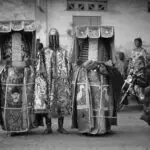
- Unique dressing styles with coral beads and native attires.
- Art and craft including bronze casting and wood carving.
- Palace architecture and courtyards representing royal authority.
Significance of Edo Culture in Nigerian History
Edo culture holds a special place in Nigeria’s history because of its lasting contributions to art, governance, and heritage.
The following are the significance of Edo culture in Nigerian history:
- It preserved ancient traditional leadership and political structure.
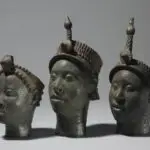
- It produced world-famous artworks like the Benin bronzes.
- It encouraged unity, respect, and discipline among the people.
- It promoted trade and diplomacy with neighboring kingdoms.
- It contributed to Nigeria’s cultural identity and international recognition.
- It provides historical evidence of early civilization in Nigeria.
Preservation of Edo Cultural Heritage
The Edo people value the preservation of their traditions, art, and language to protect their cultural identity.
The following are ways Edo culture is preserved:
- Through museums that keep ancient artifacts.
- By organizing festivals and cultural events.
- Through oral traditions and storytelling.
- By teaching Edo language and history in schools.
- Through protection of historical sites like the Benin Walls and Palace.
Teaching Methods/Instructional Techniques:
Lecture, Discussion, Storytelling, Explanation, Group Work, Visual Aids, Question and Answer
Instructional Procedures
To deliver this lesson, the teacher will adopt the following steps:
Step 1: Introduction
Time: 5 minutes
Teaching Skill: Set Induction
Teacher’s Activity: Teacher asks pupils to mention cultural practices they know about Benin people and displays pictures of Benin artifacts.
Pupils’ Activity: Pupils respond by sharing what they know about Benin culture.
Learning Point: Pupils recall and connect previous knowledge with the new topic.
Step 2: Aspects of Edo Culture
Time: 10 minutes
Teaching Skill: Explanation
Teacher’s Activity: The teacher explains major aspects of Edo culture such as art, festivals, and leadership using charts and pictures.
Pupils’ Activity: Pupils listen, observe, and take notes.
Learning Point: Pupils understand the key features of Edo culture.
Step 3: Significance of Edo Culture in Nigerian History
Time: 10 minutes
Teaching Skill: Discussion
Teacher’s Activity: The teacher discusses the importance of Edo culture in shaping Nigeria’s history and identity.
Pupils’ Activity: Pupils contribute to the discussion and give examples.
Learning Point: Pupils recognize the historical impact of Edo civilization.
Step 4: Preservation of Edo Culture
Time: 10 minutes
Teaching Skill: Demonstration and Explanation
Teacher’s Activity: Teacher explains and displays ways Edo culture is preserved using pictures of museums, festivals, and historical sites.
Pupils’ Activity: Pupils observe and discuss how cultural heritage can be protected.
Learning Point: Pupils learn methods of preserving cultural heritage.
Step 5: Note-Taking
Time: 5 minutes
Teaching Skill: Explanation
Teacher’s Activity: Teacher writes the summarized lesson content on the board for pupils to copy.
Pupils’ Activity: Pupils copy the notes neatly into their notebooks.
Learning Point: Pupils have a written record of the lesson.
Step 6: Evaluation/Review
Time: 3 minutes
Teaching Skill: Questioning
Teacher’s Activity: The teacher evaluates the learning by asking the following questions:
- Mention three aspects of Edo culture.
- State two importance of Edo culture in Nigerian history.
- Identify two ways Edo culture can be preserved.
Pupils’ Activity: Pupils answer orally.
Learning Point: Pupils show understanding of Edo culture and its significance.
Step 7: Conclusion
Time: 2 minutes
Teaching Skill: Reinforcement
Teacher’s Activity: The teacher summarizes the lesson and encourages pupils to appreciate Nigerian cultural diversity.
Pupils’ Activity: Pupils listen and ask relevant questions.
Learning Point: Pupils value Edo cultural heritage and its contribution to national identity.
Home Task: Write a short, evidence-based paragraph about one safe and relevant example of Historical Sites in Nigeria – Benin (Part 5).
Lesson Keywords
- Culture – people’s way of life including beliefs and customs
- Heritage – valuable traditions and objects passed down from ancestors
- Bronzes – ancient metal artworks made in Benin
- Oba – the traditional ruler of Benin Kingdom
- Civilization – an advanced stage of human social development
Differentiation
Teacher supports slower learners with simpler explanations and visual aids, while advanced learners identify additional examples of Edo cultural preservation.
Note for teachers using this lesson plan
Encourage pupils to relate Edo culture to their local culture for better understanding. Reinforce respect for heritage and national unity while teaching cultural topics.

Community 2 comments Open discussion +