

Class: Junior Secondary School 1 (JSS1, JSS 1)
Term: 2nd Term
Week: 2
Age: 12 years
Duration: 45 minutes
Subject: History
Curriculum Theme: History
Previous Lesson: Ile, Ife as a Historical Site and Its Importance
Topic: Historical Sites in Nigeria – Ile-Ife (Part 2)
Subject Matter: Ife culture and tradition, The place of Ife in Yoruba History
Specific Objectives
By the end of the lesson, pupils should be able to:
- Cognitive Domain:
(a) Describe the main aspects of Ife culture and traditions.
(b) Explain the historical importance of Ile-Ife in Yoruba history. - Affective Domain:
(a) Appreciate the cultural and historical value of Ile-Ife as the origin of the Yoruba people. - Psychomotor Domain:
(a) Identify and locate Ile-Ife and some of its historical sites on a map. - Social Domain:
(a) Participate actively in group discussions on the contributions of Ile-Ife to Yoruba civilization.
Reference Materials
The following resources were used in planning this lesson:
- 9 Years Basic Education Curriculum
- Lagos State Unified Scheme of work for Junior Secondary Schools
- UNESCO – “Ancient City of Ife” (https://whc.unesco.org/en/tentativelists/5172/)
- Relevant Textbooks
Instructional Materials
The teacher will teach this lesson with the aid of:
- Wall map of Nigeria showing Ile-Ife
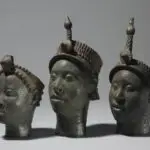
- Pictures of Ife bronze heads and artworks
- Chart showing Ife kingship and festivals
- Short video clip or documentary on Ife
- Whiteboard and markers
Rationale for the Lesson
This lesson helps pupils understand the cultural and historical role of Ile-Ife as the cradle of Yoruba civilization and its continued importance in Nigeria’s history.
Prerequisite/Previous Knowledge
Pupils have previously learned about the origin and discovery of Ile-Ife and can recall its early history as one of Nigeria’s notable ancient cities.
Lesson Content/Board Summary
Historical Sites in Nigeria – Ile-Ife
Ife Culture and Tradition
The culture and traditions of Ile-Ife reflect the customs, beliefs, and lifestyle of the Yoruba people. Ife is regarded as the spiritual center of the Yoruba world and a place of deep cultural heritage.
The following are key features of Ife culture and tradition:
- Religion: The people of Ife traditionally believe in many gods (deities) with Olodumare as the supreme being.
- Art: Ife is famous for its bronze and terracotta sculptures, which show advanced artistic skills and creativity.
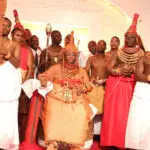
- Kingship: The Ooni of Ife is the spiritual and traditional ruler and plays a central role in religious and cultural ceremonies.
- Festivals: The people celebrate important festivals like the Olojo Festival, which honors Ogun, the god of iron.
- Marriage and Family Life: Respect for elders and strong family ties are essential parts of Ife tradition.
- Language and Dress: Yoruba language is widely spoken, and traditional attire like agbada and iro are worn during ceremonies.
The Place of Ife in Yoruba History
Ile-Ife holds a very special place in Yoruba history and identity. It is widely regarded as the cradle and ancestral home of the Yoruba race.
The following are the reasons for its importance:
- Origin of the Yoruba: Ife is believed to be the first place where Oduduwa, the ancestor of the Yoruba people, settled.
- Birthplace of Yoruba Kingship: From Ife, the sons of Oduduwa went out to establish other Yoruba kingdoms such as Oyo, Benin, and Ijebu.
- Center of Religion: Ife remains the spiritual headquarters of the Yoruba people and a major center for traditional worship.
- Artistic Excellence: The discovery of ancient Ife artworks proved the early civilization and skill of the Yoruba people.
- Symbol of Unity: Ife symbolizes the unity and shared ancestry of the Yoruba nation.
Teaching Methods/Instructional Techniques:
Discussion, Lecture, Storytelling, Explanation, Demonstration, Question and Answer, Visual Aids, Group Work
Instructional Procedures
To deliver this lesson, the teacher will adopt the following steps:
Step 1: Introduction
Time: 5 minutes
Teaching Skill: Set Induction
Teacher’s Activity: Teacher asks pupils to recall what they learned about Ile-Ife in the previous lesson and introduces today’s focus on Ife culture and its place in Yoruba history.
Pupils’ Activity: Pupils respond by mentioning what they remember about Ile-Ife.
Learning Point: Pupils are reminded of the importance of Ile-Ife and are prepared for today’s topic.
Step 2: Ife Culture and Tradition
Time: 10 minutes
Teaching Skill: Explanation
Teacher’s Activity: The teacher explains Ife culture and traditions using charts and pictures to show examples of art, religion, and festivals.
Pupils’ Activity: Pupils listen, observe, and ask questions.
Learning Point: Pupils understand the main features of Ife culture and traditions.
Step 3: The Place of Ife in Yoruba History
Time: 10 minutes
Teaching Skill: Storytelling and Discussion
Teacher’s Activity: The teacher narrates the story of Oduduwa and explains how Ile-Ife became the ancestral home of the Yoruba people.
Pupils’ Activity: Pupils listen attentively and participate in the discussion.
Learning Point: Pupils learn about the historical significance of Ile-Ife to Yoruba civilization.
Step 4: Map and Artefact Demonstration
Time: 10 minutes
Teaching Skill: Demonstration
Teacher’s Activity: The teacher uses a map to locate Ile-Ife and shows pictures of bronze heads and artefacts from Ife.
Pupils’ Activity: Pupils identify and point out Ile-Ife on the map and describe what they see in the pictures.
Learning Point: Pupils can locate Ile-Ife and identify its famous cultural artefacts.
Step 5: Note-Taking
Time: 5 minutes
Teaching Skill: Explanation
Teacher’s Activity: The teacher dictates or writes the board summary for pupils to copy.
Pupils’ Activity: Pupils write notes neatly in their exercise books.
Learning Point: Pupils record key information from the lesson.
Step 6: Evaluation/Review
Time: 3 minutes
Teaching Skill: Questioning
Teacher’s Activity: The teacher evaluates the learning by asking the following questions:
- Mention three features of Ife culture and traditions.
- Why is Ile-Ife important in Yoruba history?
- Who is the traditional ruler of Ile-Ife?
Pupils’ Activity: Pupils respond to the questions orally.
Learning Point: Pupils demonstrate understanding of the main points taught.
Step 7: Conclusion
Time: 2 minutes
Teaching Skill: Reinforcement
Teacher’s Activity: Teacher summarizes the lesson and encourages pupils to visit museums or research more about Ife culture.
Pupils’ Activity: Pupils listen and ask final questions.
Learning Point: Pupils appreciate the cultural and historical value of Ile-Ife.
Home Task: Write a short, evidence-based paragraph about one safe and relevant example of Historical Sites in Nigeria – Ile-Ife (Part 2).
Lesson Keywords
- Oduduwa – Ancestor of the Yoruba people
- Ooni – The traditional ruler of Ile-Ife
- Bronze Heads – Ancient metal sculptures found in Ife
- Olojo Festival – Annual festival in Ile-Ife celebrating Ogun
- Ancestry – Line of descent or origin of a people
Differentiation
Teacher gives extra support to slower learners with visual aids and repeated explanations, while faster learners lead group discussions and locate Ile-Ife on the map.
Note for teachers using this lesson plan
Encourage pupils to connect history with modern culture. Use storytelling to make the lesson lively and allow pupils to share what they know about Yoruba traditions.


Community Join the conversation Open discussion +