

Class: Junior Secondary School 1 (JSS1, JSS 1)
Term: 2nd Term
Week: 9
Age: 12 years
Duration: 45 minutes
Subject: History
Curriculum Theme: History
Previous Lesson: Historical Sites in Nigeria, Benin and Edo Culture
Topic: Historical Sites in Nigeria – Benin (Part 4)
Subject Matter: Occupational Activities Of The Benin People, Cultural Practices, and Artistic Heritage of the Benin People
Specific Objectives
By the end of the lesson, pupils should be able to:
- Cognitive Domain:
(a) Mention the major occupations of the people of ancient Benin.
(b) Explain the cultural and artistic significance of Benin as a historical site. - Affective Domain:
(a) Appreciate the skills and creativity of the Benin people in their crafts and cultural expressions. - Psychomotor Domain:
(a) Identify and describe some Benin artworks and crafts using pictures or drawings. - Social Domain:
(a) Work together in groups to discuss how traditional occupations contribute to community development.
Reference Materials
The following resources were used in planning this lesson:
- 9 Years Basic Education Curriculum
- Lagos State Unified Scheme of Work for Junior Secondary Schools
- Wikipedia – Art of the Kingdom of Benin
- Relevant Textbooks
Instructional Materials
The teacher will teach this lesson with the aid of:
- Pictures or charts of Benin artifacts and crafts
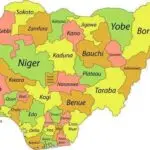
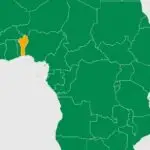
- Map of Nigeria showing the location of Benin
- Models or replicas of Benin bronzes
- Flash cards showing key occupational tools
- Video or slideshow of Benin City historical sites
Rationale for the Lesson
This lesson helps pupils appreciate the traditional occupations, cultural values, and artistic achievements of the ancient Benin people, enhancing understanding of Nigeria’s historical and cultural heritage.
Prerequisite/Previous Knowledge
Pupils have previously learned about the origin and history of Benin and can recall the roles of the Oba and traditional institutions in the kingdom.
Lesson Content/Board Summary
Historical Sites in Nigeria – Benin
Occupational Activities of the Benin People
The Benin people were known for their diverse and skillful occupations which supported their economy and way of life. Many of these activities reflected their creativity and organization.
The following are the main occupational activities of the Benin people:
- Farming: They cultivated crops such as yam, cassava, maize, and vegetables for food and trade.
- Hunting: Hunting provided meat and animal skins used for food and clothing.
- Fishing: Rivers and streams provided fish which served as an important source of protein.
- Craftsmanship: They were expert craftsmen known for bronze casting, ivory carving, and woodwork.
- Trading: The Benin people traded their goods locally and with neighboring kingdoms and Europeans.
- Blacksmithing: They made farm tools, weapons, and decorative metal works.
- Weaving: Some people produced cloths and mats used within the kingdom and for trade.
Cultural Practices in Benin
The Benin people had rich cultural traditions that reflected their beliefs, social structure, and respect for authority. Festivals and ceremonies were common features of their culture.
The following are some important cultural practices in Benin:
- Festivals: They celebrated festivals such as the Igue Festival to honor the Oba and the ancestors.
- Worship of Deities and Ancestors: The people believed in several gods and performed rituals to honor them.
- Coronation Ceremonies: The crowning of a new Oba involved elaborate rituals and customs.
- Marriage and Naming Ceremonies: These events were celebrated with songs, dances, and traditional feasts.
- Respect for the Oba: The Oba was regarded as semi-divine, and his words were seen as law.
Artistic Heritage of the Benin People
Art played a central role in the life of the Benin people. Their art was mainly used to decorate the royal palace, celebrate heroes, and preserve history.
The following are examples of Benin artistic works and their significance:
- Benin Bronzes: These are famous metal artworks made from brass and bronze, depicting kings, warriors, and animals.
- Ivory Carvings: Elephants’ tusks were carved with detailed images representing power and royalty.
- Wood Carvings: Wood was used to create masks, figures, and household items.
- Beadwork: Beads were used in making royal regalia and ornaments, symbolizing wealth and authority.
- Terracotta Figures: These clay figures were used for religious and cultural purposes.
Teaching Methods/Instructional Techniques:
Discussion, Lecture, Storytelling, Explanation, Question and Answer, Visual Aids, Group Work
Instructional Procedures
To deliver this lesson, the teacher will adopt the following steps:
Step 1: Introduction
Time: 5 minutes
Teaching Skill: Set Induction
Teacher’s Activity: Teacher tells a short story about ancient Benin City as a powerful kingdom known for its art and culture, then asks pupils what they know about the Benin people.
Pupils’ Activity: Pupils respond by sharing what they know about Benin.
Learning Point: Pupils become curious and ready to learn about the occupations, culture, and art of Benin.
Step 2: Occupational Activities
Time: 10 minutes
Teaching Skill: Explanation
Teacher’s Activity: The teacher explains the major occupations of the Benin people using pictures and charts.
Pupils’ Activity: Pupils listen and identify examples of occupations from the teacher’s explanation.
Learning Point: Pupils understand the various occupations that sustained Benin society.
Step 3: Cultural Practices
Time: 10 minutes
Teaching Skill: Discussion
Teacher’s Activity: The teacher discusses Benin cultural practices and explains the importance of festivals and traditions.
Pupils’ Activity: Pupils contribute examples of cultural practices they know.
Learning Point: Pupils appreciate the cultural richness of the Benin people.
Step 4: Artistic Heritage
Time: 10 minutes
Teaching Skill: Demonstration
Teacher’s Activity: The teacher displays pictures or models of Benin bronzes and other artworks, explaining their uses and meanings.
Pupils’ Activity: Pupils observe and describe what they see.
Learning Point: Pupils recognize the creativity and significance of Benin art.
Step 5: Note-Taking
Time: 5 minutes
Teaching Skill: Reinforcement
Teacher’s Activity: Teacher dictates or writes the board summary for pupils to copy.
Pupils’ Activity: Pupils copy notes into their exercise books.
Learning Point: Pupils have accurate notes for study and reference.
Step 6: Evaluation/Review
Time: 3 minutes
Teaching Skill: Questioning
Teacher’s Activity: The teacher evaluates the learning by asking the following questions:
- Mention four occupations of the Benin people.
- State two examples of Benin cultural practices.
- List three examples of Benin artworks.
Pupils’ Activity: Pupils answer the questions orally.
Learning Point: Pupils demonstrate understanding of the topic.
Step 7: Conclusion
Time: 2 minutes
Teaching Skill: Summary
Teacher’s Activity: Teacher summarizes the lesson and emphasizes the importance of preserving historical and cultural heritage.
Pupils’ Activity: Pupils listen and ask questions.
Learning Point: Pupils appreciate the contributions of Benin people to Nigeria’s history.
Home Task: Write a short, evidence-based paragraph about one safe and relevant example of Historical Sites in Nigeria – Benin (Part 4).
Lesson Keywords
- Occupation – work or job people do to earn a living
- Festival – celebration or ceremony held for cultural or religious reasons
- Bronze – metal alloy used in making Benin artworks
- Heritage – valuable traditions, art, or culture passed down from ancestors
- Deity – a god or spirit worshipped by a group of people
Differentiation
Teacher uses visual aids and group work to engage all learners; slower pupils receive extra guidance, while advanced learners help explain art and cultural terms.
Note for teachers using this lesson plan
Encourage pupils to relate Benin’s cultural values to those in their own communities. Use visual examples to help them connect history with real-life heritage.
Community Join the conversation Open discussion +