

Note for teachers using this lesson plan
Before the lesson, prepare clear pictures or a chart showing different types of houses (big and small) and individual rooms within a house (living room, bedroom, kitchen, bathroom). The central idea for pupils to grasp is that a house has different rooms, and each room has a special purpose. Observe if pupils can correctly name at least three rooms and state one activity done in each.
Class: Pre-School Level 3
Term: First Term
Week: 10
Age: 4 years
Duration: 30 minutes
Subject: Social Habits
Curriculum Theme: Social Habits
Previous Lesson: Our Home
Topic: Places in the House
Subject Matter: Places in the House
Specific Objectives
By the end of the lesson, pupils should be able to:
Cognitive Domain
- Identify a house from pictures.
- Discuss the difference between a big house and a small house.
- Name at least three rooms found in a house.
- Describe the purpose of each named room.
Affective Domain
- Show interest in learning about different parts of a house.
- Appreciate the importance of having different rooms for different activities.
Psychomotor Domain
- Point to different rooms in pictures or a toy house.
- Participate in actions related to the rhyme about rooms.
Social Domain
- Share ideas about their own homes and rooms.
- Take turns discussing the uses of different rooms.
Reference Materials
- NAPPS National Unified Teaching Scheme for Pre-School Level 3.
- Relevant Early Childhood Care and Education resources.
Instructional Materials
- Chart showing different types of houses (big and small).
- Posters/flashcards depicting various rooms in a house (e.g., living room, bedroom, kitchen, bathroom).
- Toy house (if available).
- Pictures of objects found in different rooms (e.g., bed, sofa, cooking pot, toilet).
- Video display device.
Rationale for the Lesson
This lesson helps 4-year-old pupils understand their immediate environment and the structure of their homes. Knowing about different rooms and their purposes fosters a sense of order, safety, and awareness of daily routines within a household. It also builds vocabulary related to their living spaces.Prerequisite/Previous Knowledge
Pupils are familiar with the concept of a home and living with their families. They can identify their own house and some basic items within it.Lesson Content/Board Summary
PLACES IN THE HOUSE
What is a House?
A house is a building where people live. It keeps us safe and warm.Big House vs. Small House
- Big House: Has many rooms, often for a larger family or more space.
- Small House: Has fewer rooms, often for a smaller family or less space.
Rooms in a House and Their Uses
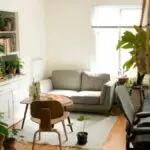
- Living Room (Sitting Room): This is where we relax, play, watch TV, and welcome visitors.
- Bedroom: This is where we sleep and rest.
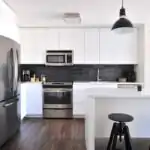
- Kitchen: This is where we cook food and sometimes eat.
- Bathroom/Toilet: This is where we bathe and use the toilet.
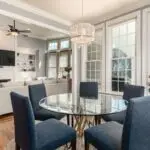
- Dining Room (if present): This is where we eat our meals together.
Key Words
- House – A building where people live.
- Room – A space inside a house.
- Living Room – Where we sit and play.
- Bedroom – Where we sleep.
- Kitchen – Where we cook.
- Bathroom – Where we bathe.
Rooms in My House Rhyme
Tune: “The Wheels on the Bus”
The rooms in my house go all around,
All around, all around.
The rooms in my house go all around,
To keep us safe and sound.
The kitchen is where we cook our food,
Cook our food, cook our food.
The kitchen is where we cook our food,
So yummy and so good.
The bedroom is where we sleep so tight,
Sleep so tight, sleep so tight.
The bedroom is where we sleep so tight,
All through the day and night.
The bathroom is where we wash and clean,
Wash and clean, wash and clean.
The bathroom is where we wash and clean,
The cleanest you have seen!
Actions: Point to different parts of the room, mime cooking, mime sleeping, mime washing.
Watch and Learn About Rooms
💡 Teacher Guide for Using This Board Summary
How to teach the content: Begin by showing pictures of different houses and asking pupils to describe them. Guide a discussion on the difference between big and small houses, focusing on the number of rooms. Introduce each room one by one using flashcards or a chart. For each room, ask pupils what they do there and show pictures of objects found in that room. Emphasize the purpose of each room.
What to show or demonstrate: Display charts of houses and individual rooms clearly. Use real objects or toy miniatures if available (e.g., a toy bed for the bedroom, a small pot for the kitchen). Point to each room and its features as you discuss its purpose.
How to use the rhyme/song: Introduce the “Rooms in My House” rhyme after discussing the main rooms. Sing it slowly first, demonstrating the actions. Repeat the rhyme several times, encouraging pupils to join in with the words and actions. You can point to pictures of the rooms as you sing about them.
How to use the video: Introduce the video as a fun way to see different rooms. Play the video “Rooms of the House | Learn English Kids | Song | British Council”. After watching, ask pupils to name the rooms they saw and recall one activity they do in each, as shown in the video.
What to watch for: Observe if pupils can correctly identify and name the main rooms. Listen for their understanding of each room’s purpose. Correct any misconceptions gently and reinforce correct vocabulary.
Teaching Methods/Instructional Techniques
- Play-based Learning
- Demonstration
- Guided Practice
- Picture Talk
- Question and Answer
- Repetition
- Songs and Rhymes
- Video Viewing
Instructional Procedures
Step 1: Introduction
Time: 3 minutes
Teaching Skill: Engaging/Recalling
Teacher’s Activity: The teacher greets the pupils and leads them in a short song about “My Home.” The teacher then introduces the topic, “Places in the House,” by asking pupils what they know about their own homes.
Pupils’ Activity: Pupils greet the teacher, sing along, and share simple ideas about their homes.
Learning Point: Pupils are engaged and recall prior knowledge about their homes.
Step 2: Meaning of a House
Time: 4 minutes
Teaching Skill: Explaining/Visual Aid
Teacher’s Activity: The teacher explains what a house is in simple terms and shows pictures of different houses. “A house is a place where we live and feel safe.”
Pupils’ Activity: Pupils look at the pictures and repeat the simple meaning of a house.
Learning Point: Pupils understand the basic concept of a house.
Step 3: Big House vs. Small House
Time: 4 minutes
Teaching Skill: Comparing/Discussing
Teacher’s Activity: The teacher displays charts showing a big house and a small house. The teacher guides pupils to discuss the differences, focusing on the idea that a big house usually has more rooms and a small house has fewer rooms.
Pupils’ Activity: Pupils observe the pictures, point to the big and small houses, and discuss the differences with guidance.
Learning Point: Pupils can differentiate between big and small houses based on their appearance and number of rooms.
Step 4: Introducing Rooms in a House
Time: 5 minutes
Teaching Skill: Naming/Identifying
Teacher’s Activity: The teacher introduces various rooms in a house using flashcards or a chart. The teacher names each room clearly: “This is a living room,” “This is a bedroom,” “This is a kitchen,” “This is a bathroom.”
Pupils’ Activity: Pupils look at the pictures of the rooms and repeat their names after the teacher.
Learning Point: Pupils can identify and name common rooms in a house.
Step 5: Purpose of Rooms and Rhyme Reinforcement
Time: 5 minutes
Teaching Skill: Explaining/Singing
Teacher’s Activity: For each room, the teacher asks, “What do we do in the living room?” and guides pupils to state its purpose. The teacher then introduces and leads the “Rooms in My House” rhyme, incorporating actions for each room.
Pupils’ Activity: Pupils answer questions about the purpose of each room and sing along with the rhyme, performing the actions.
Learning Point: Pupils understand the function of each room and reinforce learning through song and movement.
Step 6: Video Reinforcement
Time: 4 minutes
Teaching Skill: Visual Learning/Discussion
Teacher’s Activity: The teacher plays the educational video about “Rooms of the House.” After the video, the teacher asks pupils to recall what they saw and name some rooms and activities from the video.
Pupils’ Activity: Pupils watch the video attentively and participate in the post-video discussion, naming rooms and activities.
Learning Point: Pupils reinforce their understanding of rooms and their uses through a visual medium.
Step 7: Evaluation/Review
Time: 4–5 minutes
Teaching Skill: Questioning/Assessment
Teacher’s Activity: The teacher checks pupils’ understanding through short questions and practical tasks.
- “What is this place called?” (pointing to a picture of a house)
- “Show me the big house, and show me the small house.”
- “Name three rooms in a house.”
- “What do we do in the kitchen?”
- “Where do we sleep?”
Pupils’ Activity: Pupils respond orally and demonstrate the required skill where appropriate.
Learning Point: Pupils demonstrate understanding of the lesson.
Step 8: Conclusion
Time: 1 minute
Teaching Skill: Summarising/Assigning
Teacher’s Activity: The teacher briefly recaps the lesson, reminding pupils about the different places in a house and their uses. The teacher encourages pupils to look at the rooms in their own homes and tell their parents what they learned. The teacher dismisses the class.
Pupils’ Activity: Pupils listen to the recap and prepare for dismissal.
Learning Point: Pupils consolidate their learning and are encouraged to apply it at home.
Lesson Keywords
- House – A building where people live.
- Room – A space inside a house.
- Living Room – The room for sitting and playing.
- Bedroom – The room for sleeping.
- Kitchen – The room for cooking.
- Bathroom – The room for bathing and washing.
Differentiation
- Support: For pupils who are struggling, use larger, clearer pictures of only two or three main rooms. Provide hand-over-hand guidance for pointing. Use more repetition of room names and their primary purpose.
- Extension: For pupils who grasp the concepts quickly, ask them to name more objects found in each room. Encourage them to draw their favourite room and describe why they like it. Ask them if their house has other rooms like a store room or a visitor’s toilet.
Community Join the conversation Open discussion +