

Note for teachers using this lesson plan
Before the lesson, prepare a variety of pictures or toy examples of land, air, and water transportation. Ensure the classroom is set up for pupils to easily see the visual aids and participate in movement activities. The central idea is for pupils to clearly identify and differentiate between the three types of transportation. Successful learning will be observed when pupils can correctly point to, name, and give examples of vehicles that travel on land, in the air, or on water, and share their preferences.
Class: Pre-School Level 3
Term: Third Term
Week: 9
Age: 4 years
Duration: 30 minutes
Subject: Social Habits
Curriculum Theme: Social Habits
Previous Lesson: Movement around our community
Topic: MEANS OF TRANSPORTATION
Subject Matter: Means of transportation by land, air and water.
Specific Objectives
By the end of the lesson, pupils should be able to:
Cognitive Domain
- Identify different means of transportation.
- Name examples of land, air, and water transportation.
- Differentiate between land, air, and water transportation.
Affective Domain
- Show interest in learning about different vehicles.
- Appreciate the importance of transportation in daily life.
Psychomotor Domain
- Point to pictures of vehicles that travel on land, in the air, or on water.
- Act out simple movements of different vehicles.
Social Domain
- Participate in discussions about preferred means of transportation.
- Share their experiences with different types of transport.
Reference Materials
- NAPPS National Unified Teaching Scheme for Pre-School Level 3
- Relevant Early Childhood Care and Education resources
Instructional Materials
- Chart showing different means of transportation (land, air, water)
- Posters or flashcards with pictures of cars, buses, bicycles, trains, airplanes, helicopters, boats, ships, canoes, ferries.
- Toy vehicles (car, bus, plane, boat)
- Audio of vehicle sounds (optional)
Rationale for the Lesson
This lesson is important for 4-year-olds as it helps them understand how people and goods move from one place to another, which is a fundamental part of their daily lives and community. Learning about different types of transportation also enhances their vocabulary, observation skills, and awareness of the world around them, contributing to their social development and safety knowledge.Prerequisite/Previous Knowledge
Pupils are familiar with different types of vehicles they see around them and know that people move from one place to another.Lesson Content/Board Summary
Means of Transportation
Transportation is how we move ourselves and things from one place to another. We can travel by land, by air, or by water.1. Land Transportation
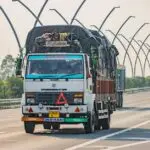
These are vehicles that move on the ground or on roads.- Examples: Car, Bus, Bicycle, Motorcycle (Okada), Keke Napep, Train, Lorry.
- They use roads and railways to move.
2. Water Transportation
These are vehicles that move on water.- Examples: Boat, Ship, Canoe, Ferry.
- They use rivers, lakes, and oceans to move.
3. Air Transportation
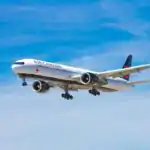
These are vehicles that move in the sky.- Examples: Airplane, Helicopter.
- They fly high in the air.
Key Words
- Land – The ground we walk on, where cars and buses move.
- Air – The sky, where birds and planes fly.
- Water – Rivers, lakes, and oceans, where boats and ships move.
- Car – A land vehicle we ride in.
- Plane – An air vehicle that flies.
- Boat – A water vehicle that floats.
Transportation Song
Tune: “The Wheels on the Bus”
The wheels on the bus go round and round,
Round and round, round and round.
The wheels on the bus go round and round,
All through the town!
The boats on the water go splash, splash, splash,
Splash, splash, splash, splash, splash, splash.
The boats on the water go splash, splash, splash,
All across the sea!
The planes in the sky go zoom, zoom, zoom,
Zoom, zoom, zoom, zoom, zoom, zoom.
The planes in the sky go zoom, zoom, zoom,
Flying high for me!
Actions:
- For “wheels on the bus”: Make circular motions with hands.
- For “boats on the water”: Wiggle hands like waves.
- For “planes in the sky”: Stretch arms out like wings and sway.
Watch and Learn About Transportation
💡 Teacher Guide for Using This Board Summary
How to teach the content: Introduce the concept of transportation by asking pupils how they came to school or how they visit their grandparents. Use the chart and pictures to clearly show examples for each category (Land, Water, Air). Emphasize the key words and their simple meanings. Encourage pupils to repeat the names of vehicles after you.
What to show or demonstrate: Display the chart and flashcards for each type of transportation. Use toy vehicles to demonstrate movement on a flat surface (land), in the air (held up), and on a blue cloth (water). Make appropriate vehicle sounds for each example.
How to use the rhyme/song: Sing the “Transportation Song” together, demonstrating the actions for each verse. Repeat the song 2-3 times to help pupils learn the lyrics and actions. Encourage enthusiastic participation.
How to use the video: Introduce the video as a fun way to see more vehicles. Play the video and encourage pupils to point to the different types of transportation as they appear. After watching, ask pupils to name some vehicles they saw and where they travel.
What to watch for: Observe if pupils can correctly categorize vehicles into land, air, or water. Listen for their ability to name examples and express their preferences. Correct any misconceptions gently by re-demonstrating with visuals.
Teaching Methods/Instructional Techniques
- Play-based Learning
- Demonstration
- Picture Talk
- Question and Answer
- Songs and Rhymes
- Guided Practice
- Imitation
- Manipulation of Objects
Instructional Procedures
Step 1: Introduction
Time: 3 minutes
Teaching Skill: Engagement/Recall
Teacher’s Activity: The teacher greets the pupils and asks them how they came to school today. “Did you come by car? By Keke Napep? Or did you walk?” The teacher then introduces the topic: “Today, we will learn about different ways we travel from one place to another – called transportation!”
Pupils’ Activity: Pupils respond to the teacher’s questions and listen attentively.
Learning Point: Pupils are engaged and introduced to the concept of transportation.
Step 2: Land Transportation
Time: 5 minutes
Teaching Skill: Demonstration/Identification
Teacher’s Activity: The teacher displays pictures and toy examples of land transportation (car, bus, bicycle, Keke Napep). The teacher explains that these vehicles move on land, on roads. “A car moves on the road, a bus moves on the road, a bicycle moves on the road!” The teacher asks pupils to name other land vehicles they know.
Pupils’ Activity: Pupils identify the vehicles, repeat their names, and name other land vehicles they have seen.
Learning Point: Pupils identify and name examples of land transportation.
Step 3: Water Transportation
Time: 4 minutes
Teaching Skill: Visual Aid/Description
Teacher’s Activity: The teacher displays pictures and toy examples of water transportation (boat, ship, canoe). The teacher explains that these vehicles move on water, like in a river or ocean. “A boat floats on water, a ship sails on water!” The teacher asks pupils if they have ever seen a boat.
Pupils’ Activity: Pupils look at the pictures, repeat the names of the vehicles, and share if they have seen water transport.
Learning Point: Pupils identify and name examples of water transportation.
Step 4: Air Transportation
Time: 4 minutes
Teaching Skill: Explanation/Sound Imitation
Teacher’s Activity: The teacher displays pictures of air transportation (airplane, helicopter). The teacher explains that these vehicles fly high in the air, in the sky. “An airplane flies in the sky – zoom, zoom!” The teacher encourages pupils to make airplane sounds and actions.
Pupils’ Activity: Pupils look at the pictures, repeat the names, and imitate airplane sounds and actions.
Learning Point: Pupils identify and name examples of air transportation.
Step 5: Transportation Song and Video
Time: 6 minutes
Teaching Skill: Reinforcement/Auditory-Visual Learning
Teacher’s Activity: The teacher leads pupils in singing the “Transportation Song” with actions. After the song, the teacher introduces and plays the short video on means of transportation, encouraging pupils to watch carefully and point to the different vehicles.
Pupils’ Activity: Pupils sing the song with actions and watch the video, pointing to the vehicles they see.
Learning Point: Pupils reinforce their understanding through song and visual media.
Step 6: Differentiating and Sharing Preferences
Time: 4 minutes
Teaching Skill: Guided Discussion/Classification
Teacher’s Activity: The teacher holds up pictures of various vehicles one by one and asks: “Does this go on land, air, or water?” The teacher then asks pupils: “Which transportation do you like the most? Why?” and “Which one have you used before?”
Pupils’ Activity: Pupils respond by saying “land,” “air,” or “water” and share their preferred means of transportation and experiences.
Learning Point: Pupils differentiate between the three types of transportation and express personal preferences.
Step 7: Evaluation/Review
Time: 4 minutes
Teaching Skill: Questioning/Assessment
Teacher’s Activity: The teacher checks pupils’ understanding through short questions and practical tasks.
- “Name one thing that moves on land.”
- “Name one thing that moves on water.”
- “Name one thing that moves in the air.”
- “Show me a picture of a car. Does it go on land, air, or water?”
Pupils’ Activity: Pupils respond orally and demonstrate the required skill by pointing to pictures.
Learning Point: Pupils demonstrate understanding of the lesson.
Step 8: Conclusion
Time: 1 minute
Teaching Skill: Recap/Closure
Teacher’s Activity: The teacher praises the pupils for their participation and reminds them that there are many ways to travel: by land, air, and water. The teacher encourages them to look for different types of transportation on their way home.
Pupils’ Activity: Pupils listen and say goodbye.
Learning Point: Pupils consolidate their learning and are encouraged to observe their environment.
Lesson Keywords
- Transportation – How people and things move from one place to another.
- Land – The ground where cars and buses travel.
- Air – The sky where planes and helicopters fly.
- Water – Rivers, lakes, and oceans where boats and ships move.
- Vehicle – A machine used for transportation, like a car or a boat.
Differentiation
- Support: For pupils who are struggling, provide larger pictures and fewer options when asking them to differentiate. Use hand-over-hand gestures to help them point to the correct category. Repeat the names of vehicles and their categories multiple times.
- Extension: For pupils who grasp the concept quickly, ask them to identify more examples of each type of transportation or describe a short journey they took using a specific means of transport. Encourage them to draw their favourite vehicle.
Community Join the conversation Open discussion +