

Note for teachers using this lesson plan
Before this lesson, prepare clear pictures or toy models of various traditional and modern means of transportation common in your neighbourhood, such as cars, buses, motorcycles, bicycles, canoes, and people walking or carrying loads. The central idea for pupils is to understand that transportation means moving from one place to another, and that there are old (traditional) and new (modern) ways to do it. Successful learning will be observed when pupils can point to and name at least one traditional and one modern means of transport.
Class: Pre-School Level 3
Term: Third Term
Week: 8
Age: 4 years
Duration: 30 minutes
Subject: Social Habits
Curriculum Theme: Social Habits
Previous Lesson: Places in My Neighbourhood
Topic: Meaning of Transportation and Traditional and Modern Means in My Neighbourhood for Pre-School Level 3
Subject Matter: Meaning of transportation and traditional and modern means in my neighbourhood.
Specific Objectives
By the end of the lesson, pupils should be able to:
Cognitive Domain
- State in simple terms what transportation means.
- Identify at least two traditional means of transportation.
- Identify at least two modern means of transportation.
Affective Domain
- Show interest in learning about different ways people move around.
- Appreciate the differences between traditional and modern transport.
Psychomotor Domain
- Point to pictures of traditional and modern means of transportation.
- Participate in simple actions related to different modes of transport (e.g., walking, pretending to drive).
Social Domain
- Discuss with peers about how they come to school.
- Share ideas about different vehicles they have seen.
Reference Materials
- NAPPS National Unified Teaching Scheme for Pre-School Level 3
- Relevant Early Childhood Care and Education resources
Instructional Materials
- Chart showing pictures of traditional means of transportation (e.g., people walking, carrying loads on their heads, canoes, bicycles, donkeys).
- Posters showing pictures of modern means of transportation (e.g., cars, buses, motorcycles, trains, aeroplanes, ships).
- Toy cars, toy buses, or other vehicle toys.
- Audio of vehicle sounds (optional).
Rationale for the Lesson
This lesson helps 4-year-olds understand how people and goods move from one place to another within their community. It introduces them to both familiar modern vehicles and older, traditional methods, broadening their understanding of their world and the history of movement. This knowledge is essential for navigating their environment and appreciating cultural practices.
Prerequisite/Previous Knowledge
Pupils already know that they walk or ride in a car to come to school. They have seen different types of vehicles in their neighbourhood and may have heard about or seen people carrying things on their heads or riding bicycles.
Lesson Content/Board Summary
TRANSPORTATION IN MY NEIGHBOURHOOD
What is Transportation?
Transportation is how we move ourselves and things from one place to another. It helps us go to school, visit family, or carry goods to the market.
Traditional Means of Transportation (Old Ways to Move)
These are ways people used to move or still move in some places, often without engines.
- Walking: Using our legs to move.
- Carrying loads on the head: People carry baskets or goods on their heads.
- Canoe: A boat moved by paddling on water.
- Bicycle: A vehicle with two wheels, moved by pedalling.
- Donkey/Horse: Animals used to carry people or goods.
Modern Means of Transportation (New Ways to Move)
These are newer ways to move, usually with engines, making travel faster and easier.
- Car: A vehicle with an engine, used to carry people on roads.
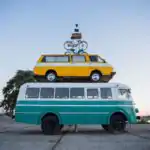
- Bus: A large vehicle that carries many people on roads.
- Motorcycle: A two-wheeled vehicle with an engine.
- Train: A long vehicle that runs on railway tracks.
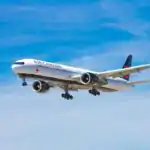
- Aeroplane: A flying vehicle that carries people and goods in the sky.
- Ship/Boat: A large vessel that carries people and goods on water.
Key Words
- Transportation – moving from one place to another.
- Traditional – old ways or methods.
- Modern – new and current ways or methods.
- Car – a modern vehicle for roads.
- Canoe – a traditional boat for water.
Transportation Rhyme
Tune: “The Wheels on the Bus”
Lyrics:
The cars on the road go zoom, zoom, zoom,
Zoom, zoom, zoom, zoom, zoom, zoom.
The cars on the road go zoom, zoom, zoom,
All through the town!
The canoes in the water go splash, splash, splash,
Splash, splash, splash, splash, splash, splash.
The canoes in the water go splash, splash, splash,
Down the river stream!
The aeroplanes in the sky go whoosh, whoosh, whoosh,
Whoosh, whoosh, whoosh, whoosh, whoosh, whoosh.
The aeroplanes in the sky go whoosh, whoosh, whoosh,
Up so very high!
Actions:
- “Cars go zoom”: Pretend to steer a car.
- “Canoes go splash”: Make paddling motions with hands.
- “Aeroplanes go whoosh”: Stretch arms out like wings and sway.
Watch and Learn About Vehicles
💡 Teacher Guide for Using This Board Summary
How to teach the content: Begin by asking pupils how they come to school. Introduce the word “transportation” as moving from one place to another. Use the charts and posters to show pictures of each type of transport. For traditional means, ask if they have seen people doing these things. For modern means, ask if they have ridden in any of these vehicles. Emphasize the difference between “old ways” and “new ways” of moving.
What to show or demonstrate: Point clearly to each picture on the charts/posters. Show toy vehicles. Demonstrate the actions for walking, paddling a canoe, or steering a car. Make vehicle sounds (e.g., “vroom” for car, “choo-choo” for train).
How to use the rhyme/song: Introduce the “Transportation Rhyme” after discussing both traditional and modern means. Sing it slowly first, demonstrating the actions. Repeat it several times, encouraging pupils to join in the singing and actions. This helps reinforce the different types of movement.
How to use the video: Introduce the video as a fun way to see many different vehicles. Tell pupils to watch and listen for the names and sounds of the vehicles. After watching, ask them to name some vehicles they saw and identify if they are traditional (like a bicycle in some contexts) or modern (like a car or aeroplane).
What to watch for: Observe if pupils can distinguish between the old and new ways of moving. Listen for their attempts to name the vehicles. Encourage all pupils to participate in discussions and actions, especially those who might be shy.
Teaching Methods/Instructional Techniques
- Play-based Learning
- Demonstration
- Guided Practice
- Songs and Rhymes
- Picture Talk
- Question and Answer
- Role-play
- Manipulation of Objects
- Repetition
Instructional Procedures
Step 1: Introduction
Time: 2 minutes
Teaching Skill: Engaging/Recalling
Teacher’s Activity: Greet the pupils and ask them, “How did you come to school today? Did you walk, or did you come in a car or on a motorcycle?”
Pupils’ Activity: Pupils respond by saying “I walked” or “My mummy brought me in a car.”
Learning Point: Pupils recall their own experiences of moving from one place to another.
Step 2: Explaining Transportation
Time: 5 minutes
Teaching Skill: Explanation/Visual Aid
Teacher’s Activity: The teacher explains that moving from one place to another is called “transportation.” The teacher shows pictures of different ways people move and says, “This is how we transport ourselves!”
Pupils’ Activity: Pupils listen attentively and repeat the word “transportation.” They point to pictures as the teacher names them.
Learning Point: Pupils understand the simple meaning of transportation.
Step 3: Introducing Traditional Means of Transportation
Time: 5 minutes
Teaching Skill: Picture Talk/Discussion
Teacher’s Activity: The teacher shows charts with pictures of traditional means of transportation (e.g., walking, carrying loads on head, canoe, donkey, bicycle). The teacher explains that these are “old ways” people used to move. “Look, this person is walking, and this person is carrying a basket on their head. This is a canoe on the water.”
Pupils’ Activity: Pupils observe the pictures and name what they see. They might share if they have seen these “old ways” before.
Learning Point: Pupils identify and understand some traditional means of transportation.
Step 4: Introducing Modern Means of Transportation
Time: 5 minutes
Teaching Skill: Demonstration/Object Manipulation
Teacher’s Activity: The teacher shows posters of modern means of transportation (e.g., cars, buses, motorcycles, aeroplanes, trains, ships). The teacher also shows toy vehicles. “These are ‘new ways’ to move, they are fast! This is a car, and this is an aeroplane that flies in the sky.”
Pupils’ Activity: Pupils look at the pictures and toy vehicles, naming the ones they recognise. They make vehicle sounds (e.g., “vroom vroom”).
Learning Point: Pupils identify and understand some modern means of transportation.
Step 5: Rhyme and Video Reinforcement
Time: 5 minutes
Teaching Skill: Singing/Visual Learning
Teacher’s Activity: The teacher leads pupils in singing the “Transportation Rhyme” with actions. Afterwards, the teacher plays the short video on different vehicles, encouraging pupils to watch and listen.
Pupils’ Activity: Pupils sing along with the rhyme, performing the actions. They watch the video and point to vehicles they know.
Learning Point: Pupils reinforce their learning of different transport means through song and visual media.
Step 6: Comparing Traditional and Modern Means
Time: 3 minutes
Teaching Skill: Comparison/Questioning
Teacher’s Activity: The teacher holds up a picture of a traditional transport (e.g., a canoe) and a modern transport (e.g., a car). The teacher asks, “Which one is an old way to move? Which one is a new way to move?”
Pupils’ Activity: Pupils point to the correct pictures and try to explain their choices in simple words.
Learning Point: Pupils begin to differentiate between traditional and modern means of transportation.
Step 7: Evaluation/Review
Time: 4–5 minutes
Teaching Skill: Questioning/Assessment
Teacher’s Activity: The teacher checks pupils’ understanding through short questions and practical tasks.
- What is transportation? (Help pupils say “moving from one place to another.”)
- Show me a picture of an old way to move (traditional).
- Show me a picture of a new way to move (modern).
- Name one vehicle you saw in the video.
Pupils’ Activity: Pupils respond orally and demonstrate the required skill where appropriate.
Learning Point: Pupils demonstrate understanding of the lesson.
Step 8: Conclusion
Time: 1 minute
Teaching Skill: Summarising/Reinforcement
Teacher’s Activity: The teacher praises the pupils for their participation and reminds them that there are many ways to move around. The teacher tells them to look for different types of transportation on their way home.
Pupils’ Activity: Pupils say “Thank you, teacher!” and prepare for the next activity.
Learning Point: Pupils consolidate their learning and are encouraged to observe their environment.
Lesson Keywords
- Transportation – The act of moving people or things from one place to another.
- Traditional – Ways of doing things that are old or have been used for a long time.
- Modern – Ways of doing things that are new and up-to-date.
- Neighbourhood – The area or district around where you live.
- Vehicle – A machine used for transporting people or goods, especially on land.
Differentiation
- Support: For pupils who are struggling, provide larger pictures with clearer distinctions between traditional and modern transport. Use hand-over-hand guidance to help them point. Repeat key words and phrases more often. Focus on identifying just one traditional and one modern example.
- Extension: For pupils who grasp the concept quickly, ask them to name more than two examples of each type of transport. Ask them to identify which type of transport they prefer and why. Encourage them to make the sounds of different vehicles.
Community Join the conversation Open discussion +