

Note for teachers using this lesson plan
Before this lesson, gather a variety of pictures or small toy models of both traditional (e.g., person walking, bicycle, canoe) and modern (e.g., car, bus, aeroplane, boat) means of transportation. Arrange the classroom to allow for easy viewing of charts and a clear space for pupils to stand and participate in movement actions. The central idea is for pupils to understand that people and goods move from one place to another using different methods, some old and some new. Successful learning will be observed when pupils can point to and name examples of traditional and modern transport.
Class: Pre-School Level 2
Term: Third Term
Week: 8
Age: 3 years
Duration: 30 minutes
Subject: Social Habits
Curriculum Theme: Social Habits
Previous Lesson: General discussions about moving from one place to another.
Topic: Transportation in My Neighbourhood: Traditional and Modern Means
Subject Matter: Transportation in My Neighbourhood: Traditional and Modern Means.
Specific Objectives
By the end of the lesson, pupils should be able to:
Cognitive Domain
- Define transportation in simple terms.
- Identify at least two traditional means of transportation.
- Identify at least two modern means of transportation.
Affective Domain
- Show interest in discussing different ways people travel.
- Appreciate the different means of transportation available.
Psychomotor Domain
- Point to pictures of traditional and modern means of transportation.
- Mimic actions related to different types of transport (e.g., walking, driving).
Social Domain
- Participate in group discussions about transportation.
- Take turns sharing their experiences with different vehicles.
Reference Materials
- NAPPS National Unified Teaching Scheme for Pre-School Level 2
- Relevant Early Childhood Care and Education resources
- Pictures and charts showing various means of transportation
Instructional Materials
- Charts displaying pictures of various traditional means of transportation (e.g., people walking, carrying loads on their heads, bicycles, canoes)
- Posters with pictures of modern means of transportation (e.g., cars, buses, aeroplanes, trains, boats)
- Small toy vehicles (car, bus, aeroplane, boat)
- Audio recordings of vehicle sounds (optional)
- Video on different types of transport
Rationale for the Lesson
This lesson helps 3-year-olds understand how people and goods move from one place to another, which is a fundamental part of their daily lives and community. By learning about traditional and modern means, pupils begin to observe and compare the world around them, connecting classroom learning to their personal experiences and local environment.Prerequisite/Previous Knowledge
Pupils can already walk and have seen different vehicles like cars, buses, or bicycles in their neighbourhood. They understand that they move from home to school and other places.Lesson Content/Board Summary
Transportation in My Neighbourhood: Traditional and Modern Means
Transportation means moving people or things from one place to another. We use different ways to travel.
Traditional Means of Transportation
These are old ways people used to travel or move things. They are often slower and do not use engines.
- Walking: Using our legs to move.
- Carrying: People carry things on their heads or backs.
- Bicycle: A vehicle with two wheels that you pedal.
- Canoe: A small, narrow boat moved by paddling, often on rivers.
Modern Means of Transportation
These are new ways people travel or move things. They are usually faster and use engines.
- Car: A vehicle with an engine used to drive on roads.
- Bus: A large vehicle that carries many people on roads.
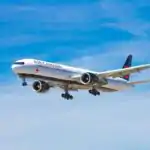
- Aeroplane: A flying vehicle that carries people and goods through the air.
- Train: A long vehicle that runs on railway tracks.
- Boat/Ship: A large vehicle that travels on water.
Key Words
- Transportation – Moving people or things from one place to another.
- Traditional – Old ways of doing things.
- Modern – New ways of doing things.
- Walk – To move using your legs.
- Car – A modern vehicle that drives on roads.
Transportation Rhyme
Tune: “The Wheels on the Bus”
The people walk, walk, walk, walk, walk, walk,
Walk, walk, walk.
The people walk, walk, walk,
All around the town.
The cars go zoom, zoom, zoom, zoom, zoom, zoom,
Zoom, zoom, zoom.
The cars go zoom, zoom, zoom,
All around the town.
The aeroplanes fly up high, up high, up high,
Up high, up high.
The aeroplanes fly up high,
Way up in the sky!
Actions:
- For “walk, walk, walk”: March in place.
- For “zoom, zoom, zoom”: Make a steering motion with hands.
- For “fly up high”: Raise hands and wave them like wings.
Watch and Learn About Transport
💡 Teacher Guide for Using This Board Summary
How to teach the content: Introduce the concept of transportation by asking pupils how they came to school today. Use the charts and pictures to explain “traditional” and “modern” means. Focus on simple definitions and clear examples. Emphasize that traditional means are older and often simpler, while modern means are newer and faster.
What to show or demonstrate: Point to each picture on the charts as you name the traditional and modern means. Use toy vehicles to demonstrate movement. Act out walking and carrying. Ask pupils to point to the correct picture when you name a type of transport.
How to use the rhyme/song: Sing the “Transportation Rhyme” together, encouraging pupils to join in with the actions. Repeat the rhyme two or three times to reinforce the vocabulary and actions.
How to use the video: Introduce the video as a way to see many different types of transport. Ask pupils to watch carefully and try to name the vehicles they see. After watching, discuss which vehicles they think are modern and which might be considered traditional (if any are shown, otherwise focus on modern ones shown and use pictures for traditional).
What to watch for: Observe if pupils can differentiate between the two categories when prompted. Listen for their ability to name at least one example from each category. Correct any misconceptions gently by re-showing the pictures and repeating the names.
Teaching Methods/Instructional Techniques
Play-based Learning, Demonstration, Guided Practice, Songs and Rhymes, Picture Talk, Question and Answer, Role-play, Repetition, Manipulation of Objects.Instructional Procedures
Step 1: Introduction
Time: 3 minutes
Teaching Skill: Engaging/Activating prior knowledge
Teacher’s Activity: The teacher greets the pupils and asks them how they came to school today (e.g., “Did you walk?”, “Did you come by car?”). The teacher introduces the topic of transportation as “how we move from one place to another.”
Pupils’ Activity: Pupils respond to the teacher’s questions, sharing how they came to school. They listen attentively to the introduction.
Learning Point: Pupils understand that there are different ways to move from one place to another.
Step 2: Explaining Transportation and Traditional Means
Time: 5 minutes
Teaching Skill: Explaining/Illustrating
Teacher’s Activity: The teacher explains “transportation” simply. The teacher then shows pictures of traditional means of transportation (walking, carrying, bicycle, canoe) and explains that these are older ways people used to travel. The teacher demonstrates walking and carrying actions.
Pupils’ Activity: Pupils listen to the explanation. They look at the pictures and mimic the walking and carrying actions.
Learning Point: Pupils grasp the meaning of transportation and identify traditional means.
Step 3: Introducing Modern Means of Transportation
Time: 5 minutes
Teaching Skill: Demonstrating/Naming
Teacher’s Activity: The teacher shows pictures and toy models of modern means of transportation (car, bus, aeroplane, train, boat). The teacher names each one and explains that these are newer and faster ways to travel.
Pupils’ Activity: Pupils observe the pictures and toy models. They repeat the names of the modern vehicles after the teacher.
Learning Point: Pupils recognise and name modern means of transportation.
Step 4: Differentiating Traditional and Modern Means
Time: 4 minutes
Teaching Skill: Comparing/Sorting
Teacher’s Activity: The teacher holds up pictures one by one and asks, “Is this an old way or a new way to travel?” The teacher guides pupils to sort the pictures into “traditional” and “modern” groups on a chart or on the floor.
Pupils’ Activity: Pupils respond “old way” or “new way.” They help sort the pictures into the correct categories.
Learning Point: Pupils begin to differentiate between traditional and modern transportation.
Step 5: Rhyme and Movement Reinforcement
Time: 4 minutes
Teaching Skill: Singing/Movement
Teacher’s Activity: The teacher leads the pupils in singing the “Transportation Rhyme,” encouraging them to perform the actions for walking, driving a car, and flying an aeroplane. The teacher repeats the rhyme to reinforce learning.
Pupils’ Activity: Pupils sing along with the teacher and perform the actions for each type of transport.
Learning Point: Pupils reinforce their understanding of different transport types through song and movement.
Step 6: Video and Discussion
Time: 5 minutes
Teaching Skill: Visual learning/Discussion
Teacher’s Activity: The teacher plays the short video on different means of transport. After the video, the teacher asks pupils what vehicles they saw and which ones they think are modern. The teacher uses the video as a springboard for further discussion and naming.
Pupils’ Activity: Pupils watch the video attentively. They name some vehicles they saw and identify modern ones.
Learning Point: Pupils observe and discuss various forms of transportation, reinforcing their classification.
Step 7: Evaluation/Review
Time: 4–5 minutes
Teaching Skill: Questioning/Assessment
Teacher’s Activity: The teacher checks pupils’ understanding through short questions and practical tasks.
- “What does transportation mean?” (Moving people/things)
- “Point to a traditional way people travel.” (Teacher points to pictures, pupils point to one)
- “Name one modern vehicle you know.”
- “Show me how you walk.”
Pupils’ Activity: Pupils respond orally and demonstrate the required skill where appropriate.
Learning Point: Pupils demonstrate understanding of the lesson.
Step 8: Conclusion
Time: 2 minutes
Teaching Skill: Summarising/Encouraging
Teacher’s Activity: The teacher praises the pupils for their participation and summarises that there are many ways to travel, both old and new, and they all help us move from one place to another. The teacher reminds them to always be safe when moving around.
Pupils’ Activity: Pupils listen to the summary and say “thank you” to the teacher.
Learning Point: Pupils consolidate their learning and are encouraged to observe transportation in their daily lives.
Lesson Keywords
- Transportation – Moving people or things from one place to another.
- Traditional – Old ways of doing things, like walking or using a bicycle.
- Modern – New ways of doing things, like using a car or aeroplane.
- Walk – To move using your legs.
- Car – A modern vehicle that drives on roads.
Differentiation
- Support: For pupils who need extra help, use larger, clearer pictures and focus on identifying just one traditional and one modern means of transport. Provide hand-over-hand guidance when pointing. Repeat key words slowly and clearly.
- Extension: For pupils who grasp the concept quickly, ask them to name more examples of traditional or modern transport. Encourage them to describe a short journey they have made using a specific type of transport.
Community Join the conversation Open discussion +