

Note for teachers using this lesson plan
This lesson introduces students to the fundamental concepts of retail trade. Teachers should prepare visual aids such as pictures of different retail outlets and ensure access to internet-enabled devices for practical activities on digital technology in retailing. By the end of the lesson, students should be able to clearly differentiate between various types of retailers and understand the critical factors for setting up and managing a retail business effectively.
Class: SS 1
Term: First Term
Week: 6
Age: 15 years
Duration: 60 minutes
Subject: Commerce
Curriculum Theme: Fundamentals of Commerce
Focal competence: Managing and performing retail operations
Key competencies/values: Creativity and Innovation; Communication; Innovation
Skills:
- Setting up and managing a small retail store
- Using digital technology in retailing
Previous Lesson: Foreign Trade and E-Commerce, Their Advantages and Disadvantages
Topic: Retail Trade
Subject Matter: Meaning of Retail Trade, Meaning of retailing, Types of retailing, Characteristics and functions of retail trade
Specific Objectives
By the end of the lesson, pupils/students should be able to:
Cognitive Domain
- State the meaning of retailing.
- Explain the characteristics of various types of retail trade.
- Explain the functions of various types of retail trade.
- Discuss the factors to consider in setting up a retail trade.
- Explain why location is crucial when starting a retail business.
Affective Domain
- Appreciate the importance of innovation in retail operations.
- Value effective communication in customer relationship management.
Psychomotor Domain
- Set up a small retail store (conceptually).
- Manage a small retail store (conceptually).
- Use digital technology in retailing (demonstrate basic application).
- Create posters showing factors for setting up retail trade.
Social Domain
- Collaborate effectively in group brainstorming activities.
Reference Materials
The following resources were used in planning this lesson:
- 2025 New Revised Senior Secondary Education Curriculum (SSEC)
- Relevant State Unified Scheme of Work
- A suitable Commerce textbook for Senior Secondary School 1
- The HeadTeacher Scheme of work For The New Revised Senior Secondary Education Curriculum (SSEC)
Instructional Materials
The teacher will teach this lesson with the aid of:
- Pictures of different retail outlets (e.g., hawker, supermarket, online store)
- Internet-enabled devices (smartphones, computers)
- Graphics design apps (for poster creation)
- Marker pens
- Cardboard paper
- Whiteboard or chalkboard
Rationale for the Lesson
This lesson is important for students to understand the final stage of product distribution, which directly impacts consumers. It provides foundational knowledge for those interested in entrepreneurship and equips them with insights into the operational aspects of retail businesses. Understanding retail trade helps students appreciate how goods and services reach them daily.
Prerequisite/Previous Knowledge
Students should have a basic understanding of trade, including wholesale trade, and the concept of buying and selling goods.
Lesson Content/Board Summary
Retail Trade
Meaning of Retail Trade
Retail trade is the business activity of selling goods and services directly to the final consumer for personal, non-business use. It is the last link in the chain of distribution.
Meaning of Retailing
Retailing refers to the process or act of selling goods and services directly to consumers. It encompasses all activities involved in selling products to the end-users for their own consumption.
Types of Retailing
Retailers can be broadly classified into two main categories: Itinerant Retailers and Fixed Shop Retailers. Non-store retailing is also a significant type.
Itinerant Retailers
These are retailers who do not have a fixed place of business. They move from place to place to sell their goods. Their characteristics include:
- They operate with limited capital.
- They deal in goods of daily necessity.
- They offer limited variety of goods.
- They often sell goods at lower prices due to lower overheads.
- They provide convenience to customers by bringing goods to their doorstep.
Examples include:
- Hawkers: Carry goods on their heads or in handcarts, moving from street to street.
- Pedlars: Similar to hawkers but often travel longer distances, sometimes with bicycles or small vehicles.
- Street Traders: Sell goods from temporary stalls or designated spots on busy streets.
- Market Traders: Operate in specific market areas on particular days of the week.
Fixed Shop Retailers
These retailers have a permanent place of business from which they sell their goods. They can be further divided into Small Scale and Large Scale fixed shop retailers.
Small Scale Fixed Shop Retailers
These are retailers with a permanent shop but operate on a smaller scale, often with limited capital and staff. Their characteristics include:
- They require moderate capital to start.
- They offer a wider variety of goods than itinerant retailers.
- They provide personalized service to customers.
- They are often located in residential areas for customer convenience.
Examples include:
- Kiosks: Small, temporary structures selling specific items like newspapers, soft drinks, or snacks.
- Unit Shops: Independent shops selling a particular line of goods (e.g., a single boutique, pharmacy, or grocery store).
- General Shops: Sell a wide range of everyday necessities, often found in local communities.
- Speciality Shops: Focus on a narrow product line with deep assortment (e.g., a shop selling only shoes, or only electronics).
Large Scale Fixed Shop Retailers
These are retailers with substantial capital, large premises, and a wide range of goods, operating on a large scale. Their characteristics include:
- They require huge capital investment.
- They offer a very wide variety and depth of products.
- They employ a large number of staff.
- They often provide additional services like delivery, credit, and parking.
- They benefit from economies of scale.
Examples include:
- Departmental Stores: Large retail establishments divided into separate departments, each specializing in a particular line of goods (e.g., clothing, electronics, home goods), all under one roof and central management.
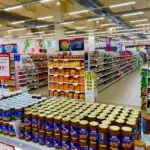
- Supermarkets: Large self-service retail stores offering a wide variety of food and household products, organized into aisles.
- Chain Stores (Multiple Shops): A network of identical retail stores operating under common ownership and management, selling similar goods (e.g., popular fast-food chains or clothing brands with multiple outlets).
- Mail Order Houses: Retailers that sell goods through catalogues or advertisements, taking orders via mail, phone, or internet, and delivering products directly to customers.
- Consumer Co-operative Societies: Retail stores owned and managed by consumers themselves, aiming to provide goods at reasonable prices to their members.
- Hypermarkets: Very large retail stores combining a supermarket and a department store, offering a vast range of products including groceries and general merchandise.
Non-Store Retailing
This type of retailing involves selling goods and services without a physical storefront.
- Online Retailing (E-commerce): Selling products and services over the internet through websites or mobile apps.
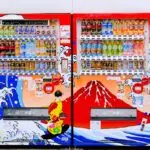
- Vending Machines: Automated machines that dispense products (e.g., snacks, drinks) after payment is inserted.
- Telemarketing: Selling goods or services over the telephone.
Characteristics of Retail Trade
General characteristics of retail trade include:
- Direct Sale to Consumers: Retailers sell directly to the final users of goods.
- Breaking Bulk: They buy in large quantities from wholesalers and sell in smaller, manageable units to consumers.
- Wide Variety of Goods: Many retailers offer a diverse range of products to meet varied consumer needs.
- Personal Contact: There is often direct interaction between the retailer and the customer.
- Location Importance: The success of a retail business is heavily dependent on its location.
- Customer Service: Retailers often provide services like credit, delivery, and after-sales support.
Functions of Retail Trade
Retail trade performs essential functions for both consumers and producers/wholesalers:
Functions to Consumers
- Convenience: Retailers make goods available at convenient locations and times.
- Variety of Goods: They offer a wide selection of products from different manufacturers, allowing consumers choice.
- Information: Retailers provide information about products, their uses, and features.
- Credit Facilities: Some retailers offer credit to regular and trusted customers.
- After-Sales Service: They may provide installation, repair, or warranty services.
- Breaking Bulk: They sell goods in quantities suitable for individual consumption.
Functions to Wholesalers and Manufacturers
- Distribution Channel: Retailers serve as a vital link in the distribution chain, reaching scattered consumers.
- Market Information: They provide feedback to wholesalers and manufacturers about consumer preferences, demand, and competition.
- Storage: Retailers store goods, reducing the storage burden on wholesalers.
- Promotion: They actively display and promote products, stimulating demand.
- Risk Bearing: They bear risks associated with storage, obsolescence, and damage of goods.
- Breaking Bulk: They purchase in bulk from wholesalers, facilitating their sales.
Factors to Consider in Setting Up a Retail Trade
When establishing a retail business, several critical factors need careful consideration:
- Location: The choice of location is paramount. It should be easily accessible to the target market, have good visibility, and sufficient foot traffic. Proximity to competitors or complementary businesses also plays a role.
- Capital: Adequate financial resources are needed for rent, stock, equipment, salaries, and initial operating expenses.
- Type of Goods: The nature of products to be sold (e.g., perishables, durable goods, luxury items) influences storage, display, and target market.
- Target Market: Identifying the specific group of customers the business aims to serve helps in tailoring products, pricing, and marketing strategies.
- Competition: Understanding the competitive landscape helps in developing unique selling propositions and effective pricing strategies.
- Legal Requirements: Obtaining necessary licenses, permits, and complying with local business regulations are crucial.
- Staffing: Hiring competent and customer-friendly staff is essential for good service and efficient operations.
- Marketing and Promotion: Strategies to attract and retain customers, such as advertising, sales promotions, and online presence.
- Technology: Adoption of point-of-sale (POS) systems, inventory management software, and e-commerce platforms can enhance efficiency.
Customer Relationship Management (CRM) in Retailing
Customer Relationship Management (CRM) in retailing involves strategies and technologies used to manage and analyze customer interactions and data throughout the customer lifecycle. The goal is to improve business relationships with customers, assist in customer retention, and drive sales growth.
Key aspects of CRM in retailing include:
- Understanding Customer Needs: Gathering data on customer preferences, purchase history, and feedback.
- Personalized Service: Offering tailored recommendations, promotions, and communication based on individual customer profiles.
- Loyalty Programs: Implementing reward schemes, discounts, or exclusive offers to encourage repeat purchases and build customer loyalty.
- Effective Communication: Maintaining regular and relevant communication with customers through various channels (email, SMS, social media).
- Feedback Mechanisms: Providing channels for customers to give feedback and actively responding to their concerns and suggestions.
- Building Relationships: Fostering a sense of community and trust between the retailer and its customers.
Importance of Location in Retail Business
Location is crucial when starting a retail business because it directly impacts customer accessibility, visibility, and overall sales potential. A good location ensures that the target customers can easily find and reach the store, leading to higher foot traffic and increased sales. It also affects operational costs, security, and the business’s image, making it a primary determinant of long-term success.
Teaching Methods/Instructional Techniques
Discussion, Explanation, Question and Answer, Brainstorming, Group Work, Demonstration, Guided Practice.
Instructional Procedures
Step 1: Introduction
Time: 5 minutes
Teaching Skill: Questioning/Activating Prior Knowledge
Teacher’s Activity: The teacher greets the students and asks them to name places where they buy goods like food, clothes, or stationery. The teacher then introduces the topic, Retail Trade, as the business of selling these goods directly to them.
Pupils’ Activity: Pupils respond by naming various shops and markets. They listen attentively to the introduction.
Learning Point: Introduction to retail trade
Step 2: Meaning of Retail Trade and Retailing
Time: 10 minutes
Teaching Skill: Explanation/Definition
Teacher’s Activity: The teacher explains the meaning of retail trade and retailing, clarifying that it is the final stage of distribution where goods are sold directly to the consumer. The teacher provides examples of retail activities.
Pupils’ Activity: Pupils listen, ask questions for clarification, and take initial notes.
Learning Point: Meaning of retail trade
Step 3: Types of Retailing and Characteristics
Time: 15 minutes
Teaching Skill: Explanation/Classification/Brainstorming
Teacher’s Activity: The teacher guides students to brainstorm on the various types of retail trade they know (e.g., hawkers, supermarkets, online stores). The teacher then systematically explains and classifies these types into Itinerant, Small Scale Fixed Shop, Large Scale Fixed Shop, and Non-Store Retailing, highlighting the characteristics of each type.
Pupils’ Activity: Students actively participate in brainstorming, contribute examples, and listen to the teacher’s explanations of each retail type and its characteristics.
Learning Point: Types and characteristics of retailers
Step 4: Functions of Retail Trade
Time: 8 minutes
Teaching Skill: Explanation/Discussion
Teacher’s Activity: The teacher explains the functions of retail trade, categorizing them into functions to consumers and functions to wholesalers/manufacturers. The teacher encourages students to give examples for each function.
Pupils’ Activity: Pupils listen, discuss, and provide examples of how retailers serve consumers and other businesses.
Learning Point: Functions of retail trade
Step 5: Factors to Consider in Setting Up Retail Trade
Time: 7 minutes
Teaching Skill: Guided Discussion/Activity
Teacher’s Activity: The teacher divides students into groups and guides them to create posters showing the factors to consider in setting up a retail trade, emphasizing the importance of location. The teacher provides cardboard paper and markers.
Pupils’ Activity: Students work in groups to discuss and create posters illustrating key factors for starting a retail business.
Learning Point: Factors for retail setup
Step 6: Customer Relationship Management and Digital Technology
Time: 5 minutes
Teaching Skill: Explanation/Demonstration
Teacher’s Activity: The teacher explains customer relationship management (CRM) in retailing and discusses how digital technology (e.g., e-commerce platforms, social media, apps) is used in modern retailing to manage customer relationships and operations. The teacher may briefly demonstrate a simple online retail platform if resources permit.
Pupils’ Activity: Pupils listen, ask questions, and observe any demonstrations of digital tools.
Learning Point: CRM and digital retailing
Step 7: Evaluation/Review
Time: 5 minutes
Teaching Skill: Questioning/Assessment
Teacher’s Activity: The teacher evaluates the learning by asking the following questions:
- What is retail trade?
- Mention two types of itinerant retailers.
- State two functions of retail trade to consumers.
- List three factors to consider when setting up a retail business.
- Why is location crucial for a retail business?
Pupils’ Activity: Pupils answer orally and in writing.
Learning Point: Understanding retail concepts
Step 8: Note-Taking
Time: 10 minutes
Teaching Skill: Guided Writing
Teacher’s Activity: The teacher guides pupils/students to copy the essential Board Summary notes on retail trade, its types, characteristics, functions, and setup factors into their notebooks.
Pupils’ Activity: Pupils/students copy the notes carefully into their notebooks.
Learning Point: Recording lesson notes
Step 9: Conclusion
Time: 5 minutes
Teaching Skill: Summarization
Teacher’s Activity: The teacher briefly recaps the main points of the lesson, emphasizing the importance of retail trade in everyday life and its various forms. The teacher encourages students to observe different retail businesses around them.
Pupils’ Activity: Pupils listen to the summary and ask any final questions.
Learning Point: Consolidation of retail trade
Continuous Assessment/Further Study
Type: Homework/Project
Instruction: Answer the following questions and prepare a short presentation.
- Differentiate between a supermarket and a departmental store, giving two points of distinction.
- Identify a small retail business in your community. Describe its characteristics, the type of goods it sells, and suggest one way it could use digital technology to improve its operations.
- Explain how a retailer provides convenience to consumers.
- Imagine you want to set up a small shop selling stationery. List five factors you would consider before choosing a location for your shop.
Lesson Keywords
- Retail Trade – The business of selling goods directly to the final consumer.
- Retailing – The process of selling goods and services to the end-users.
- Itinerant Retailers – Retailers without a fixed place of business who move from place to place.
- Fixed Shop Retailers – Retailers who operate from a permanent business location.
- Breaking Bulk – Buying goods in large quantities and selling them in smaller units.
- Customer Relationship Management (CRM) – Strategies to manage customer interactions and data to improve business relationships.
- E-commerce – Selling products and services over the internet.
Differentiation
For struggling learners: Provide simplified definitions and more visual examples of different retail types. Pair them with stronger students during group activities. Focus on identifying basic types and functions.
For advanced learners: Challenge them to research and present on emerging trends in retailing (e.g., omnichannel retailing, AI in retail). Encourage them to analyze the pros and cons of different retail formats in a Nigerian context.
Suggested Lesson Videos
Search YouTube for: retail trade types functions SS1 commerce nigeria


Community Join the conversation Open discussion +