

Class: Senior Secondary School 1 (SS1, SS 1, SSS1, SSS 1)
Term: 1st Term
Week: 6
Age: 15 years
Duration: 45 minutes
Subject: Commerce
Curriculum Theme: Commerce
Previous Lesson: Foreign Trade and E-Commerce, Their Advantages and Disadvantages.
Topic: Trade
Subject Matter: Meaning of trade, types of trade, home trade, foreign trade, entrepot trade, relationship among types of trade.
Specific Objectives
By the end of the lesson, pupils should be able to:
Cognitive Domain:
- Define trade.
- List the main types of trade.
- Explain home trade and state its types.
- Explain foreign trade and state its types.
- Define entrepot trade.
- State the relationship among home trade, foreign trade, and entrepot trade.
Affective Domain:
- Show appreciation for the importance of trade in meeting human needs.
- Demonstrate willingness to practice honesty in buying and selling.
Psychomotor Domain:
- Draw and label a simple diagram showing types of trade.
- Classify given examples into home trade, foreign trade, or entrepot trade.
Social Domain:
- Participate actively in class discussion by sharing examples of trade activities in the community.
- Work cooperatively to compare different types of trade and present findings.
Reference Materials
The following resources were used in planning this lesson:
- 9 Years Basic Education Curriculum
- State Unified Scheme of Work
- Recommended Commerce textbook for SSS 1 (e.g., a standard SSS Commerce text approved for school use)
- Encyclopaedia Britannica: Trade
- World Trade Organization: What is the WTO?
- Investopedia: International Trade
Instructional Materials
The teacher will teach this lesson with the aid of:
- Trade diagrams showing home trade, foreign trade, and entrepot trade
- Charts showing import and export flow
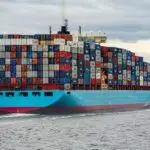
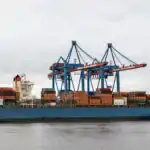
- Pictures of local markets, shops, ports, and cargo ships
- Whiteboard and marker
Rationale for the Lesson
This lesson helps pupils understand how goods and services are exchanged within a country and between countries. It also helps pupils relate local market activities to import, export, and the movement of goods through other countries.
Prerequisite/Previous Knowledge
Pupils have basic knowledge of buying and selling in markets and shops and can mention common goods that are produced locally and goods that come from other countries.
Lesson Content/Board Summary
Trade
Meaning of Trade
Trade is the buying and selling of goods and services for money or other acceptable means of exchange.
Types of Trade
The following are the main types of trade:
- Home Trade (Internal Trade)
- Foreign Trade (International Trade)
- Entrepot Trade
Home Trade (Internal Trade)
Home trade is the buying and selling of goods and services within the same country.
The following are types of home trade:
- Wholesale Trade: Buying in large quantities from producers and selling in smaller quantities to retailers.
- Retail Trade: Buying from wholesalers or producers and selling in small quantities to final consumers.
The following are examples of home trade:
- A wholesaler supplying bags of rice to retailers in different towns.
- A retailer selling provisions to consumers in a neighbourhood shop.
Foreign Trade (International Trade)
Foreign trade is the buying and selling of goods and services between one country and other countries.
The following are types of foreign trade:
- Import Trade: Buying goods and services from other countries into a country.
- Export Trade: Selling goods and services produced in a country to other countries.
The following are examples of foreign trade:
- Importing machinery or electronics from another country.
- Exporting cocoa, crude oil, or agricultural products to other countries.
Entrepot Trade
Entrepot trade is the practice where a country imports goods, stores or processes them, and then re-exports them to another country.
The following are features of entrepot trade:
- Goods pass through an intermediate country before reaching the final destination.
- Goods may be stored, repackaged, or slightly processed before re-export.
- The entrepot country earns income from storage, handling, and re-export services.
Relationship Among Types of Trade
The following points show the relationship among home trade, foreign trade, and entrepot trade:
- Home trade deals with distribution of goods within a country through wholesalers and retailers.
- Foreign trade links countries through import and export of goods and services.
- Entrepot trade is connected to foreign trade because it involves import and re-export between countries.
- Goods imported through foreign trade can later be sold locally through home trade.
- Services such as transport, banking, insurance, and warehousing support all types of trade.
Teaching Methods/Instructional Techniques
Discussion, Lecture, Demonstration, Question and Answer, Visual Aids
Instructional Procedures
Step 1: Introduction
Time: 5 minutes
Teaching Skill: Set Induction
Teacher’s Activity: The teacher asks pupils to mention goods they buy locally and goods they know come from other countries. The teacher introduces trade and writes the topic on the board.
Pupils’ Activity: Pupils mention examples of local and foreign goods and respond to questions.
Learning Point: Trade involves buying and selling within and outside a country.
Step 2: Meaning of Trade
Time: 6 minutes
Teaching Skill: Explanation
Teacher’s Activity: The teacher explains the meaning of trade and gives simple examples. The teacher writes the definition on the board.
Pupils’ Activity: Pupils listen, ask questions, and copy notes.
Learning Point: Trade is buying and selling of goods and services.
Step 3: Types of Trade
Time: 6 minutes
Teaching Skill: Illustration with Visual Aids
Teacher’s Activity: The teacher displays a diagram/chart showing the main types of trade and explains each briefly.
Pupils’ Activity: Pupils copy the diagram and state the types of trade.
Learning Point: Trade is grouped into home trade, foreign trade, and entrepot trade.
Step 4: Home Trade
Time: 7 minutes
Teaching Skill: Discussion
Teacher’s Activity: The teacher explains home trade and guides pupils to identify wholesale and retail trade with examples. The teacher uses a simple diagram to show producer, wholesaler, retailer, and consumer.
Pupils’ Activity: Pupils give examples of wholesalers and retailers in their area and copy notes.
Learning Point: Home trade happens within a country and includes wholesale and retail.
Step 5: Foreign Trade
Time: 7 minutes
Teaching Skill: Explanation
Teacher’s Activity: The teacher explains foreign trade and distinguishes import from export using a chart and examples.
Pupils’ Activity: Pupils classify examples into import or export and copy notes.
Learning Point: Foreign trade involves import and export between countries.
Step 6: Entrepot Trade and Relationship Among Types of Trade
Time: 9 minutes
Teaching Skill: Comparison
Teacher’s Activity: The teacher explains entrepot trade using a diagram showing Country A to Country B through Country C. The teacher guides pupils to state the relationship among the types of trade and summarizes key points on the board.
Pupils’ Activity: Pupils copy the diagram, explain differences, and state relationship points.
Learning Point: Entrepot trade involves re-export, and all types of trade are linked through movement and distribution of goods.
Step 7: Evaluation/Review
Time: 5 minutes
Teaching Skill: Questioning/Assessment
Teacher’s Activity: The teacher evaluates the learning by asking the following questions:
- Define trade.
- List the three main types of trade.
- State and explain the two types of home trade.
- Define entrepot trade and state two features of it.
Pupils’ Activity: Pupils answer orally and in writing.
Learning Point: Pupils demonstrate understanding of the lesson.
Step 8: Conclusion
Time: 2 minutes
Teaching Skill: Summary
Teacher’s Activity: The teacher summarizes the meaning of trade, types of trade, and key differences among home trade, foreign trade, and entrepot trade. The teacher gives a brief assignment.
Pupils’ Activity: Pupils copy the assignment and ask final questions.
Learning Point: Trade can be within a country, between countries, or through re-export routes.
Lesson Keywords
- Trade – Buying and selling of goods and services.
- Home Trade – Trade that takes place within a country.
- Foreign Trade – Trade between one country and other countries.
- Entrepot Trade – Importing goods and re-exporting them to another country.
- Import – Bringing goods and services into a country from other countries.
Differentiation
Fast learners create a clearer flow diagram with examples of goods for each type of trade, while learners needing support use guided charts and a prepared list of examples to classify into the correct trade type.
Note for teachers using this lesson plan
Use simple diagrams to show movement of goods within a country and between countries, and keep examples familiar to pupils. Emphasize correct definitions and clear differences, and ensure pupils can list types and features in an exam style.

Community Join the conversation Open discussion +