

Class: Senior Secondary School 1 (SS1, SS 1, SSS1, SSS 1)
Term: 2nd Term
Week: 3
Age: 15 years
Duration: 45 minutes
Subject: Commerce
Curriculum Theme: Commerce
Previous Lesson: Middle Men.
Topic: Warehousing
Subject Matter: Meaning of warehousing, importance of warehousing, types of warehousing, bonded warehousing, state or queen’s warehousing, public warehousing, manufacturers’ warehousing
Specific Objectives
By the end of the lesson, pupils should be able to:
Cognitive Domain:
- Define warehousing.
- List the importance of warehousing.
- Identify types of warehousing.
- Explain bonded warehousing.
- Explain state or queen’s warehousing.
- Explain public warehousing.
- Explain manufacturers’ warehousing.
Affective Domain:
- Show appreciation for proper storage and careful handling of goods.
- Demonstrate a positive attitude towards orderliness and record keeping in storage activities.
Psychomotor Domain:
- Interpret a simple warehouse diagram and identify areas for receiving, storage, and dispatch.
- Use a chart to classify warehousing types with one example for each type.
Social Domain:
- Work in groups to discuss local examples of warehousing (shops, depots, company stores, bonded terminals).
- Participate in group presentations on types of warehousing and their uses.
Reference Materials
The following resources were used in planning this lesson:
- 9 Years Basic Education Curriculum
- State Unified Scheme of Work
- Essential Commerce for Senior Secondary Schools (relevant chapter on warehousing and distribution)
- Encyclopaedia Britannica: Warehouse
- Investopedia: Warehouse
- U.S. Customs and Border Protection: Bonded Warehouses
Instructional Materials
The teacher will teach this lesson with the aid of:
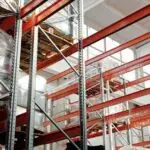
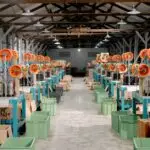
- Pictures of warehouses (public warehouse, company warehouse, bonded warehouse)
- Charts showing importance and types of warehousing
- Simple warehouse layout diagram
- Whiteboard/marker board and markers
Rationale for the Lesson
This lesson helps pupils understand how goods are stored safely before they are sold or distributed. It also explains why storage decisions affect prices, availability of goods, and business success in the local market.
Prerequisite/Previous Knowledge
Pupils have basic knowledge of distribution and middlemen and can mention common goods stored in shops, depots, and markets.
Lesson Content/Board Summary
Warehousing
Meaning of Warehousing
Warehousing is the process of storing goods in a safe place (warehouse) from the time they are produced or purchased until they are needed for sale, distribution, or use.
Importance of Warehousing
The following are importance of warehousing:
- Provides safe storage and reduces loss from damage, theft, and weather.
- Helps to stabilize prices by releasing goods to the market when needed.
- Ensures steady supply of goods and prevents shortage.
- Supports bulk buying and bulk production by providing space for large quantities.
- Helps seasonal goods to be available throughout the year.
- Facilitates distribution by keeping goods nearer to consumers in different areas.
- Supports credit and financing because stored goods can serve as security in some cases.
- Improves orderliness through proper stock control and record keeping.
Types of Warehousing
The following are types of warehousing:
- Bonded warehousing.
- State or queen’s warehousing.
- Public warehousing.
- Manufacturers’ warehousing.
Bonded Warehousing
Bonded warehousing is a type of warehouse approved by government where imported goods are stored under customs control until customs duties are paid. Goods can be kept in the warehouse for a period, and duty is paid before the goods are released.
The following are key features of bonded warehousing:
- Goods are kept under customs supervision.
- Import duty is deferred until goods are removed.
- Suitable for importers who need time before selling or distributing goods.
- Reduces immediate cash burden on importers.
State or Queen’s Warehousing
State or queen’s warehousing is a government-owned warehouse where goods are stored on behalf of traders, especially imported goods. Charges are paid for storage, and government controls entry and exit of the goods according to rules.
The following are features of state or queen’s warehousing:
- Owned and managed by government.
- Provides storage services to traders for a fee.
- Used for goods that require special control and monitoring.
- Operates with established government regulations.
Public Warehousing
Public warehousing is a warehouse owned by individuals or private companies and rented out to producers, wholesalers, and retailers for storage of goods.
The following are advantages of public warehousing:
- Useful for small businesses that cannot build their own warehouses.
- Reduces storage cost compared to owning a warehouse.
- Provides flexible space based on need.
- Often offers extra services such as handling and record keeping.
Manufacturers’ Warehousing
Manufacturers’ warehousing is a warehouse owned by a producer or manufacturing company for storing finished goods and sometimes raw materials before distribution.
The following are reasons manufacturers maintain warehouses:
- Ensures continuous supply of finished goods to distributors and retailers.
- Helps to manage production output and market demand.
- Provides better control over stock quality and handling.
- Reduces delays in distribution by preparing goods for dispatch.
Teaching Methods/Instructional Techniques
Discussion, Lecture, Demonstration, Question and Answer, Visual Aids
Instructional Procedures
Step 1: Introduction
Time: 5 minutes
Teaching Skill: Set Induction
Teacher’s Activity: The teacher asks pupils to mention goods commonly stored in shops, depots, or stores and why traders store them. The teacher introduces warehousing and links it to steady supply and distribution.
Pupils’ Activity: Pupils mention goods and give simple reasons for storage such as safety and future selling.
Learning Point: Goods are stored to ensure safety and availability.
Step 2: Meaning of Warehousing
Time: 6 minutes
Teaching Skill: Explanation
Teacher’s Activity: The teacher explains warehousing and uses pictures of warehouses to show what a warehouse looks like and what happens inside (receiving, storage, dispatch).
Pupils’ Activity: Pupils copy the definition and identify basic warehouse activities from the pictures.
Learning Point: Warehousing is storing goods in a warehouse until they are needed.
Step 3: Importance of Warehousing
Time: 8 minutes
Teaching Skill: Questioning and Reinforcement
Teacher’s Activity: The teacher guides pupils to list the importance of warehousing and organizes the points clearly on the board.
Pupils’ Activity: Pupils contribute points and copy them into notebooks.
Learning Point: Warehousing supports safe storage, steady supply, and better distribution.
Step 4: Types of Warehousing
Time: 6 minutes
Teaching Skill: Explanation and Classification
Teacher’s Activity: The teacher introduces the major types of warehousing and shows a classification chart for pupils to copy.
Pupils’ Activity: Pupils copy the classification and mention one example for each type.
Learning Point: Warehousing can be classified into bonded, state/queen’s, public, and manufacturers’ warehousing.
Step 5: Bonded and State/Queen’s Warehousing
Time: 7 minutes
Teaching Skill: Explanation
Teacher’s Activity: The teacher explains bonded warehousing and state/queen’s warehousing, highlighting ownership, purpose, and control. The teacher uses a simple import-storage-release example to clarify each type.
Pupils’ Activity: Pupils discuss the differences and copy the key features into their notes.
Learning Point: Bonded and state/queen’s warehouses involve government control and regulated storage.
Step 6: Public and Manufacturers’ Warehousing
Time: 8 minutes
Teaching Skill: Discussion and Illustration
Teacher’s Activity: The teacher explains public and manufacturers’ warehousing and guides pupils to compare ownership, users, and benefits using a chart and examples.
Pupils’ Activity: Pupils discuss local examples and complete a comparison chart in groups.
Learning Point: Public warehouses are rented for storage, while manufacturers’ warehouses support production and distribution.
Step 7: Evaluation/Review
Time: 5 minutes
Teaching Skill: Questioning/Assessment
Teacher’s Activity: The teacher evaluates the learning by asking the following questions:
- Define warehousing.
- State four importance of warehousing.
- List four types of warehousing.
- Explain bonded warehousing and state one difference between public warehousing and manufacturers’ warehousing.
Pupils’ Activity: Pupils answer orally and in writing.
Learning Point: Pupils demonstrate understanding of the lesson.
Step 8: Conclusion
Time: 5 minutes
Teaching Skill: Summarization
Teacher’s Activity: The teacher summarizes the meaning, importance, and types of warehousing and revises the key features of each type. The teacher gives classwork to list types and explain two of them with examples.
Pupils’ Activity: Pupils copy the summary points and complete the classwork.
Learning Point: Warehousing supports storage and distribution and exists in different forms based on ownership and purpose.
Lesson Keywords
- Warehousing – Storing goods in a warehouse until they are needed for sale or distribution.
- Warehouse – A building used for storing goods safely.
- Bonded warehouse – A customs-controlled warehouse for imported goods until duty is paid.
- Public warehouse – A privately owned warehouse rented out for storage.
- Manufacturers’ warehouse – A producer’s warehouse for storing goods before distribution.
- Stock control – Managing and recording goods stored to prevent loss and shortage.
Differentiation
Pupils who need support will use a guided chart with prompts to explain each warehousing type, while faster learners will write short comparisons between bonded and public warehousing and provide local examples for each.
Note for teachers using this lesson plan
Use pictures and simple diagrams to make warehousing types clear. Emphasize short definitions and well-listed points for examination readiness, and relate examples to local depots, stores, and import-related storage where applicable.


Community Join the conversation Open discussion +