

Class: Primary 6
Term: 2nd Term
Subject: Pre-Vocational Studies
Curriculum Theme: Agricultural Science
previous Lesson: Packaging Using Cardboard Boxes
Topic: Packaging Methods: Baskets And Bags
Content/Learning Area: Packaging using baskets and bags
Time Allocation: 40 minutes
Performance Objectives
By the end of the lesson,pupils should be able to:
- Cognitive Domain: Define packaging and mention two reasons for packaging farm produce.
- Affective Domain: Appreciate the importance of using the right packaging method for different types of farm produce.
- Psychomotor Domain: Demonstrate how to package farm produce using baskets and bags.
- Social Domain: Discuss the advantages of using baskets and bags in group activities.
Reference Materials
The following resources were used in planning this lesson:
- 9 – Years Basic Education Curriculum
- Abuja Educational Resource Centre Scheme of Work
- NAPPS National Unified Scheme of Work
- Online Facts from: Freight Farms – Best Packaging for Hydroponic Produce: Types, Benefits, and Tips
- Relevant Textbooks
Instructional Materials
To deliver this lesson, the teacher will employ the help of the following materials:
- Samples of baskets and bags
- Pictures of different packaging methods
- Real farm produce such as tomatoes, yams, and beans
- Video clips or charts showing packaging methods
Rationale for the Lesson
Understanding different packaging methods is essential for preserving farm produce, reducing spoilage, and improving storage and transportation. This lesson will help pupils identify the best packaging methods using baskets and bags and how these methods affect food quality.
Prerequisite/Previous knowledge
Pupils are familiar with different farm produce and have seen items packaged in baskets or bags at home or in the market.
Lesson Content
Packaging Methods: baskets And Bags
Farm produce needs to be properly packaged to prevent spoilage, make transportation easier, and keep them fresh. Two common packaging methods include:
- Baskets: These are made from woven materials like bamboo or palm fronds. Thay are strong and allow air to circulate, making them ideal for packaging fruits and vegetables.
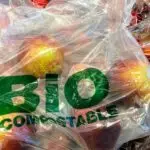
- Bags: These are made from materials like jute, nylon, or plastic.they are good for packaging grains, beans, and powdered farm products.
Uses of Baskets for Packaging:
Baskets are versatile and commonly used for packaging various types of farm produce. They are:
- Used for packaging delicate produce like tomatoes, oranges, and mangoes.
- Allows air circulation to keep farm produce fresh.
- Eco-friendly and reusable.
- Ideal for transporting fruits and vegetables to local markets.
- Help maintain the shape and quality of produce during handling.
Uses of bags for Packaging:
Bags are essential for packaging dry and granular farm produce, offering protection and ease of handling. They are:
- Used for packaging dry farm produce like rice, beans, and flour.
- Protects farm produce from dirt and moisture.
- Easy to carry and store.
- Suitable for packaging grains like maize and millet.
- Help in preventing spoilage by keeping the produce dry and clean.
Teaching Methods
To deliver this lesson, the teacher will adopt the following methods: Explanation, Exhibition, Discussion, Observation, Group Work, Hands-on Activity.
Instructional Procedures
To deliver this lesson, the teacher will adopt the following steps:
step 1: introduction (Set Induction)
Time: 5 mins
Teaching Skill: Set Induction
Teacher’s Activity: Asks pupils if they have seen food items packaged in baskets or bags.
Pupils’ Activity: Respond by naming some farm products packaged this way.
Step 2: Definition and Importance of Packaging
Time: 7 mins
Teaching Skill: Explanation
teacher’s Activity: Explains what packaging is and why farm produce is packaged.
Pupils’ Activity: Listen attentively and participate in discussion.
Step 3: Explaining Baskets for Packaging
Time: 7 mins
Teaching Skill: Demonstration
Teacher’s Activity: Shows a basket and explains how it is used for packaging.
Pupils’ Activity: Observe the basket and identify farm produce it is indeed used for.
Step 4: Explaining Bags for Packaging
Time: 7 mins
Teaching Skill: Demonstration
Teacher’s Activity: Shows different types of bags and explains what farm produce they are used for.
Pupils’ Activity: Observe the bags and mention farm products packaged in them.
Step 5: Practical Demonstration
Time: 7 mins
Teaching Skill: Hands-on Activity
Teacher’s Activity: demonstrates how to package tomatoes in a basket and beans in a bag.
Pupils’ activity: Participate in packaging farm produce.
Step 6: Note-Taking
Time: 5 mins
Teaching Skill: Writing
Teacher’s Activity: Guides pupils to write down the lesson summary.
Pupils’ Activity: Copy notes in their books.
Step 7: Evaluation/Review
Time: 2 mins
Teaching Skill: Review & feedback
Teacher’s Activity: Asks pupils questions about the lesson and corrects any misunderstandings.
Pupils’ Activity: Answer questions and contribute.
Objective-aligned checks:
- Define packaging and mention two reasons for packaging farm produce.
- Demonstrate how to package farm produce using baskets and bags.
Step 8: Conclusion
Time: 2 mins
Teaching Skill: Summarization
Teacher’s Activity: Summarizes the main points of the lesson.
Pupils’ Activity: Listen and ask questions for clarification.
Lesson Keywords
- Packaging – The process of enclosing or protecting products for distribution, storage, sale, and use.
- Baskets – Containers made from woven materials, used for carrying or storing items.
- Bags – Flexible containers made of cloth, paper, plastic, or other material, used for holding or carrying things.
- Farm Produce – Agricultural products such as fruits, vegetables, grains, and beans.
- Spoilage – The process in which food deteriorates to the point of being unfit for consumption.
Lesson Evaluation
To evaluate the learning, the teacher asks pupils to:
- Define packaging and state two reasons why farm produce is packaged.
- List two farm products that can be packaged in baskets.
- Mention two advantages of using bags for packaging farm produce.
- Describe how air circulation in baskets helps keep farm produce fresh.
- Explain why grains are commonly packaged in bags rather than baskets.
assignment/Homework
- List three different types of bags used for packaging farm produce and state what each is best suited for.
- Research and write a short paragraph on the environmental impact of using plastic bags for packaging.
- Design a poster illustrating the correct way to package tomatoes in a basket to prevent damage during transportation.
Differentiation
- For slower learners: The teacher will give additional explanations and allow them to touch and feel the materials to understand their use.
- for advanced learners: the teacher will ask them to suggest other materials that can be used for packaging farm produce and their benefits.
- For visual/auditory/kinesthetic learners: Provide visual aids like pictures and videos, use clear verbal explanations, and allow hands-on activities with packaging materials.
Note for Teachers
Ensure that pupils engage in practical demonstrations, as hands-on activities help them understand the packaging process better. Use real-life examples to make the lesson relatable. Encourage pupils to compare different packaging methods and discuss their advantages. Happy teaching!

Community Join the conversation Open discussion +