

Class: Senior Secondary School 1 (SS1, SS 1, SSS1, SSS 1)
Term: 3rd Term
Week: 8
Age: 15 years
Duration: 45 minutes
Subject: Asụsụ Igbo
Curriculum Theme: Asụsụ Igbo
Previous Lesson: Olilo Ụdaume Ihu na Azụ and Ọgụgụ Ọnwa.
Topic: ỤTỌASỤSỤ: Olilo nlofo, mmakọ na nlocha. OMENALA: Nrubere onye diọkpara n’ezinụlọ. AGỤMAGỤ: Ọgụgụ na aghọtazaa n’iduuazị.
Subject Matter: Nkọwa olilo nlofo, nkọwa olilo mmakọ, nkọwa olilo nlocha, inye ọmụmaatụ olilo dị iche iche, nrubere na mkpa diọkpara n’ezinụlọ, ọgụgụ iduuazị, ajụjụ na azịza aghọtazaa n’iduuazị.
Specific Objectives
By the end of the lesson, pupils should be able to:
Cognitive Domain:
- Define ‘Olilo’ and explain ‘Olilo Nlofo’, ‘Olilo Mmakọ’, and ‘Olilo Nlocha’.
- Give examples of different types of ‘Olilo’.
- Explain the role and importance of the first son (‘Diọkpara’) in an Igbo family.
- Answer comprehension questions based on a given Igbo passage (‘Iduuazị’).
Affective Domain:
- Appreciate the cultural significance of the ‘Diọkpara’ in Igbo society.
- Show interest in reading and understanding Igbo texts.
- Value the correct pronunciation and structure of Igbo words.
Psychomotor Domain:
- Read an Igbo passage (‘Iduuazị’) with correct pronunciation and intonation.
- Write correct examples of ‘Olilo Nlofo’, ‘Olilo Mmakọ’, and ‘Olilo Nlocha’.
- Participate actively in class discussions about Igbo culture.
Social Domain:
- Collaborate with peers during reading and comprehension activities.
- Demonstrate respect for traditional Igbo family structures.
- Communicate ideas effectively in Igbo.
Reference Materials
The following resources were used in planning this lesson:
- Senior Secondary Curriculum for Igbo Language.
- State Unified Scheme of Work for SSS 1 Igbo Language.
- Akubuilo, J. C. (2007). Mkparịta Ụka Igbo. Africana First Publishers Plc.
- https://www.nigerianfinder.com/igbo-culture-the-role-of-the-first-son/
- https://www.academia.edu/44123891/A_Morphophonemic_Analysis_of_Elision_in_Igbo_Language
Instructional Materials
The teacher will teach this lesson with the aid of:
- Akwụkwọ iduuazị (Igbo passage book or printed passage).
- Ụgbọ ojii (Blackboard/Whiteboard) na nzu/makarị.
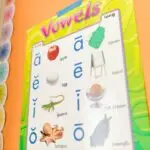
- Chaatị ụdaume (Vowel chart).
- Chaatị nwere ọmụmaatụ olilo dị iche iche.
- Foto ma ọ bụ eserese na-egosi onye diọkpara na ezinụlọ.
Rationale for the Lesson
This lesson helps pupils understand important aspects of Igbo grammar, improving their pronunciation and writing skills. It also teaches them about the traditional roles within an Igbo family, which is important for understanding their culture and societal values. Developing reading comprehension skills is essential for overall language proficiency.
Prerequisite/Previous Knowledge
Pupils are assumed to have basic knowledge of Igbo grammar, simple sentence structures, common Igbo cultural practices, and fundamental reading skills in Igbo.
Lesson Content/Board Summary
ỤTỌASỤSỤ: Olilo Nlofo, Mmakọ na Nlocha; OMENALA: Nrubere Onye Diọkpara n’Ezinụlọ; AGỤMAGỤ: Ọgụgụ na Aghọtazaa n’Iduuazị
Nkọwa Olilo (Elision/Assimilation)
Olilo bụ mgbanwe ma ọ bụ nchikota ụdaume abụọ ma ọ bụ karịa na-eso ibe ha n’okwu ma ọ bụ n’ahịrịokwu. Ọ na-eme ka okwu jikọta ọnụ ma dị mfe ikwu.
Ụdị Olilo Dị Iche Iche
Ụdị olilo bụ isi atọ bụ:
- Olilo Nlofo: Nke a bụ mgbe e wepụrụ otu ụdaume ma ọ bụ karịa n’okwu abụọ na-eso ibe ha iji mee ka ha jikọta.
Ọmụmaatụ:
- Ụlọ ahụ → Ụlọhụ
- M ga-eri → M geri
- Bịa ebe a → Bịa-a
- Olilo Mmakọ: Nke a bụ mgbe ụdaume abụọ na-eso ibe ha jikọrọ ọnụ wee ghọọ otu ụdaume.
Ọmụmaatụ:
- Ọ ga-aga → Ọga-aga
- M ga-eme → M g’eme
- Ha ga-abịa → Haga-abịa
- Olilo Nlocha: Nke a bụ mgbe ụdaume abụọ na-eso ibe ha gbanwere ụda ha ka ha wee kwekọọ.
Ọmụmaatụ:
- Ewu na-eri → Ewu n’eri
- Nwa nwoke → Nwoke
Nrubere Onye Diọkpara n’Ezinụlọ (Role of the First Son in the Family)
Diọkpara bụ nwa nwoke mbụ amụrụ n’ezinụlọ. Ọ na-arụ ọrụ dị mkpa n’omenala Igbo.
Ụfọdụ n’ime ọrụ na mkpa diọkpara bụ:
- Ọ bụ onye isi ezinụlọ mgbe nna ha nwụrụ.
- Ọ na-anọchite anya ezinụlọ n’ọgbakọ obodo.
- Ọ na-eketa ihe onwunwe nna ya n’ụzọ kacha ukwuu (Okpala).
- Ọ na-ahụ maka ịhazi emume omenala ezinụlọ.
- Ọ na-echekwa aha na nsọpụrụ ezinụlọ.
Ọgụgụ na Aghọtazaa n’Iduuazị (Reading and Comprehension of a Passage)
Aghọtazaa bụ ikike mmadụ nwere ịghọta ihe ọ gụrụ ma ọ bụ nụrụ. Iji ghọta iduuazị nke ọma, mmadụ ga-agụ ya nke ọma ma zaa ajụjụ ndị metụtara ya.
Iduuazị a na-agụ ga-abụ nke dị mkpirikpi ma nwee ajụjụ aghọtazaa.
Teaching Methods/Instructional Techniques
Discussion, Lecture, Demonstration, Question and Answer, Visual Aids
Instructional Procedures
Step 1: Introduction
Time: 5 minutes
Teaching Skill: Set Induction
Teacher’s Activity: The teacher greets the pupils and reviews the previous lesson briefly. The teacher then introduces the new topics by asking pupils if they know what happens when two Igbo words join together or if they know the role of the first son in their families. This helps to connect with their prior knowledge.
Pupils’ Activity: Pupils respond to the teacher’s greetings and questions, recalling past lessons and sharing initial thoughts.
Learning Point: Pupils are prepared for the new lesson and their interest is aroused.
Step 2: Presentation of Olilo Nlofo
Time: 10 minutes
Teaching Skill: Explanation/Demonstration
Teacher’s Activity: The teacher defines ‘Olilo’ as a change or combination of vowels. The teacher then explains ‘Olilo Nlofo’, giving clear definitions and writing several examples on the board. The teacher guides pupils to pronounce the words correctly.
Pupils’ Activity: Pupils listen attentively, take notes, and practice pronouncing the examples of ‘Olilo Nlofo’ as guided by the teacher.
Learning Point: Pupils understand the meaning and application of ‘Olilo Nlofo’ with practical examples.
Step 3: Presentation of Olilo Mmakọ na Nlocha
Time: 10 minutes
Teaching Skill: Explanation/Illustration
Teacher’s Activity: The teacher continues by explaining ‘Olilo Mmakọ’ and ‘Olilo Nlocha’, providing definitions and writing different examples on the board. The teacher uses the vowel chart to illustrate how vowels combine or change.
Pupils’ Activity: Pupils observe the examples, ask questions for clarification, and write down the definitions and examples in their notebooks.
Learning Point: Pupils grasp the concepts of ‘Olilo Mmakọ’ and ‘Olilo Nlocha’ and can identify them.
Step 4: Presentation of Nrubere Diọkpara n’Ezinụlọ
Time: 7 minutes
Teaching Skill: Exposition/Discussion
Teacher’s Activity: The teacher defines ‘Diọkpara’ and explains the traditional role and importance of the first son in an Igbo family, listing key responsibilities. The teacher encourages pupils to share what they know from their own experiences or observations.
Pupils’ Activity: Pupils listen, take notes, and contribute to the discussion by sharing their understanding of the ‘Diọkpara’s’ role.
Learning Point: Pupils learn about an important aspect of Igbo culture and the responsibilities of the ‘Diọkpara’.
Step 5: Reading of Iduuazị
Time: 5 minutes
Teaching Skill: Reading/Guidance
Teacher’s Activity: The teacher distributes a short Igbo passage (‘Iduuazị’) or writes it on the board. The teacher first reads the passage aloud, demonstrating correct pronunciation and intonation. The teacher then asks a few pupils to read the passage.
Pupils’ Activity: Pupils listen to the teacher’s reading and then take turns to read the passage aloud.
Learning Point: Pupils improve their Igbo reading skills and become familiar with the passage content.
Step 6: Aghọtazaa n’Iduuazị
Time: 5 minutes
Teaching Skill: Questioning/Comprehension
Teacher’s Activity: After the reading, the teacher asks comprehension questions based on the ‘Iduuazị’. The teacher ensures that all pupils have an opportunity to answer.
Pupils’ Activity: Pupils answer the comprehension questions orally, demonstrating their understanding of the passage.
Learning Point: Pupils show their ability to understand and interpret written Igbo text.
Step 7: Evaluation/Review
Time: 5 minutes
Teaching Skill: Questioning/Assessment
Teacher’s Activity: The teacher evaluates the learning by asking the following questions:
- Kọwaa ihe bụ “Olilo” n’asụsụ Igbo.
- Depụta ụdị “Olilo” atọ ị maara ma nye otu ọmụmaatụ maka nke ọ bụla.
- Kwuo ọrụ abụọ onye “Diọkpara” na-arụ n’ezinụlọ Igbo.
- Gịnị bụ isiokwu iduuazị anyị gụrụ taa?
Pupils’ Activity: Pupils answer orally and in writing.
Learning Point: Pupils demonstrate understanding of the lesson.
Step 8: Conclusion
Time: 1 minute
Teaching Skill: Summarization
Teacher’s Activity: The teacher summarizes the main points of the lesson, reiterating the importance of ‘Olilo’ in Igbo grammar, the role of the ‘Diọkpara’, and the skill of reading comprehension. The teacher assigns homework, asking pupils to find more examples of ‘Olilo’ and write a short paragraph about the importance of family.
Pupils’ Activity: Pupils listen to the summary and copy down the homework.
Learning Point: Pupils consolidate their learning and are given tasks to reinforce understanding.
Lesson Keywords
- Olilo – The process of elision or assimilation in Igbo words.
- Nlofo – A type of elision where a sound (usually a vowel) is dropped.
- Mmakọ – A type of elision where two sounds merge into one.
- Nlocha – A type of elision where a sound changes to fit its environment.
- Diọkpara – The first male child in an Igbo family.
- Nrubere – Role, responsibility, or significance.
- Iduuazị – A passage or text, usually for reading comprehension.
- Aghọtazaa – Comprehension or understanding.
Differentiation
For pupils who are struggling, the teacher will provide simpler examples of ‘Olilo’ and offer additional support during reading activities. More advanced pupils will be encouraged to create their own complex sentences using different types of ‘Olilo’ and to discuss the cultural nuances of the ‘Diọkpara’s’ role in more detail, perhaps researching variations across different Igbo communities. Group work will be used to allow peer-to-peer learning.
Note for teachers using this lesson plan
Ensure that the Igbo passage used for reading comprehension is appropriate for the SSS 1 level and relevant to the pupils’ experiences. When teaching ‘Olilo’, emphasize the practical application in spoken Igbo to make it more relatable. Encourage active participation in discussions about cultural roles to foster a deeper appreciation of Igbo heritage. Provide clear and consistent feedback on pronunciation and comprehension.


Community Join the conversation Open discussion +