

Class: Senior Secondary School 1 (SS1, SS 1, SSS1, SSS 1)
Term: 1st Term
Week: 1
Age: 15 years
Duration: 45 minutes
Subject: History
Curriculum Theme: History
Previous Lesson: .
Topic: MEANING OF HISTORY.
Subject Matter: Meaning of history, difference between past and present, sources of history such as testimonies and archaeological findings, basic idea of dating in history.
Specific Objectives
By the end of the lesson, pupils should be able to:
Cognitive Domain:
- Define history in simple terms.
- Differentiate between past and present events.
- Identify and explain various sources of historical information.
- State the basic idea of dating in history.
Affective Domain:
- Appreciate the importance of studying history.
- Develop an interest in exploring historical events and records.
- Value the evidence provided by historical sources.
Psychomotor Domain:
- Participate actively in class discussions about historical events.
- Identify and describe examples of historical artifacts when presented.
Social Domain:
- Collaborate with peers in discussing historical concepts.
- Share personal understanding of historical events respectfully.
Reference Materials
The following resources were used in planning this lesson:
- 9 Years Basic Education Curriculum for Senior Secondary Schools.
- State Unified Scheme of Work for History, SSS 1.
- Adewale, O. A. (2018). *Comprehensive History for Senior Secondary Schools 1*. Ibadan: University Press PLC.
Instructional Materials
The teacher will teach this lesson with the aid of:
- Cultural artifacts (e.g., traditional tools, clothing).
- Pictures of old objects and historical sites.
- Sample broken pots or pottery shards.
- Charts showing timelines or examples of historical sources.
Rationale for the Lesson
This lesson helps pupils understand what history is and why it is important to study past events. It enables them to connect their present experiences to past occurrences and recognize how historical knowledge is gathered from various sources, which is a fundamental skill for understanding their society.
Prerequisite/Previous Knowledge
Pupils have a general idea of past events and have heard stories about their community or country’s history.
Lesson Content/Board Summary
MEANING OF HISTORY
Definition of History
History is the study of past events, particularly in human affairs. It involves investigating, analyzing, and interpreting past actions, conditions, and ideas.
Difference Between Past and Present
- Past: Refers to all events, actions, and times that have already occurred. It is what happened before now.
- Present: Refers to the current time or what is happening right now. It is the period between the past and the future.
Sources of History
Sources of history are the materials from which historians obtain information about the past. They provide evidence for historical events.
The following are common sources of history:
- Oral Testimonies: Information passed down verbally from one generation to another, such as folktales, proverbs, songs, and eyewitness accounts.
- Written Records: Documents, books, letters, diaries, government records, newspapers, and inscriptions that provide written accounts of the past.
- Archaeological Findings (Artifacts): Physical remains of past human activities found through excavation, such as tools, pottery, buildings, weapons, and human remains. These are also called material remains.
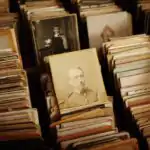
- Visual Sources: Pictures, photographs, films, paintings, and drawings that depict past events or people.
Dating in History
Dating in history refers to the process of determining when past events occurred. It helps historians place events in a chronological order.
Basic ideas of dating include:
- Chronology: The arrangement of events in the order of their occurrence in time.
- Calendars: Systems used to organize and record time, such as the Gregorian calendar (B.C./A.D. or BCE/CE).
- Radiocarbon Dating: A scientific method used by archaeologists to determine the age of organic materials (e.g., wood, bones) up to about 50,000 years old.
Teaching Methods/Instructional Techniques
Discussion, Lecture, Demonstration, Question and Answer, Visual Aids
Instructional Procedures
Step 1: Introduction
Time: 5 minutes
Teaching Skill: Set Induction
Teacher’s Activity: The teacher greets the pupils and asks them to recall any interesting story their grandparents or parents told them about the past. The teacher then links these stories to the idea of past events.
Pupils’ Activity: Pupils respond to the greetings and share brief stories or events they remember from the past.
Learning Point: Pupils are introduced to the concept of past events and the relevance of stories from the past.
Step 2: Definition of History
Time: 10 minutes
Teaching Skill: Explanation/Definition
Teacher’s Activity: The teacher defines history as the study of past events, particularly concerning human beings. The teacher emphasizes that history helps us understand how things were and why they are the way they are today.
Pupils’ Activity: Pupils listen attentively, take notes, and ask questions for clarification.
Learning Point: Pupils understand the basic definition of history.
Step 3: Differentiating Past and Present
Time: 8 minutes
Teaching Skill: Elucidation/Comparison
Teacher’s Activity: The teacher explains the difference between past and present, using simple examples from daily life (e.g., “What we did yesterday is past, what we are doing now is present”). The teacher encourages pupils to give their own examples.
Pupils’ Activity: Pupils listen, contribute examples, and grasp the distinction between past and present.
Learning Point: Pupils can differentiate between past and present events.
Step 4: Sources of History
Time: 12 minutes
Teaching Skill: Demonstration/Explanation
Teacher’s Activity: The teacher introduces various sources of history, such as oral testimonies, written records, and archaeological findings. The teacher displays instructional materials like cultural artifacts, pictures of old objects, and sample broken pots to illustrate these sources.
Pupils’ Activity: Pupils observe the materials, listen to explanations, and identify examples of historical sources.
Learning Point: Pupils identify and understand different sources from which historical information is obtained.
Step 5: Basic Idea of Dating in History
Time: 5 minutes
Teaching Skill: Explanation
Teacher’s Activity: The teacher briefly explains the importance of dating in history, mentioning how dates help arrange events in chronological order. The teacher introduces simple concepts like B.C./A.D. or BCE/CE and mentions that science helps date very old items.
Pupils’ Activity: Pupils listen and understand the concept of placing events in time.
Learning Point: Pupils grasp the basic idea of dating historical events.
Step 6: Evaluation/Review
Time: 5 minutes
Teaching Skill: Questioning/Assessment
Teacher’s Activity: The teacher evaluates the learning by asking the following questions:
- Define history in your own words.
- State two differences between the past and the present.
- Mention three sources of history.
- Explain why dating is important in the study of history.
Pupils’ Activity: Pupils answer orally and in writing.
Learning Point: Pupils demonstrate understanding of the lesson.
Step 7: Conclusion
Time: 3 minutes
Teaching Skill: Summarization
Teacher’s Activity: The teacher summarizes the main points of the lesson, reiterating the definition of history, the difference between past and present, and the various sources of historical information. The teacher assigns homework: “List five historical events that occurred in your community and state how you know about them.”
Pupils’ Activity: Pupils listen to the summary and copy down the homework.
Learning Point: Pupils consolidate their understanding of the lesson content.
Lesson Keywords
- History – The study of past events, especially human affairs.
- Past – The time that has gone by or events that have already happened.
- Present – The current time or what is happening now.
- Oral Testimonies – Information passed down verbally through generations.
- Written Records – Documents, books, or inscriptions providing historical accounts.
- Archaeological Findings – Physical remains of past human activities, such as tools and pottery.
- Dating – The process of determining the age or time of historical events or objects.
- Artifacts – Objects made or modified by humans, especially an item of cultural or historical interest.
Differentiation
For pupils who grasp concepts quickly, they can be encouraged to research specific local historical events and their sources. For those who require more support, the teacher will provide simplified definitions and more visual aids, allowing them to work in pairs to discuss the differences between past and present, and identify sources of history from provided pictures.
Note for teachers using this lesson plan
Teachers should encourage pupils to bring examples of old family photos or simple artifacts from home (with parent’s permission) to make the lesson more engaging and relatable. Emphasize the critical thinking involved in evaluating historical sources, even at this introductory level. Ensure clear pronunciation of historical terms and provide sufficient time for questions and answers.


Community Join the conversation Open discussion +