

class: Primary One
Term: Third Term
subject: National Values Education
Curriculum Theme: Civic Education
Previous Lesson: Identifying and Respecting Religious and Political Leaders
Topic: Different Ways Of Greeting
Content/Learning area: Identifying Different ethnic Groups in Nigeria and their Way of greeting to Show Respect, What is greeting?
Time Allocation: 40 minutes
performance Objectives
By the end of the lesson, pupils should be able to:
- Cognitive domain:
- Identify at least four different ethnic groups in Nigeria.
- psychomotor Domain:
- Accurately demonstrate at least two different ethnic group greetings.
- Affective domain:
- Show gratitude for the diverse cultures in Nigeria and respect the different ways of greeting.
- Social Domain:
- Interact respectfully with others, acknowledging cultural differences in greetings.
Reference Materials
- 9 – Years Basic Education Curriculum
- Abuja Educational Resource Centre Scheme of Work
- NAPPS National Unified Scheme of Work
- Relevant Textbooks
Instructional Materials
To deliver this lesson, the teacher will use the following materials:
- Whiteboard or chart paper
- markers or crayons
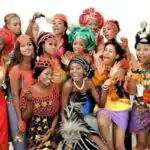
- Pictures depicting different ethnic groups in Nigeria
Rationale for the Lesson
This lesson is crucial for fostering cultural understanding and respect among young learners. Understanding diverse greetings promotes tolerance and builds positive relationships within a diverse society.
Prerequisite/Previous Knowledge
The teacher will begin by asking pupils what they understand by the word “greeting” and encourage them to share their experiences of greeting people. The teacher will then introduce the concept of diverse greetings across different cultures.
Lesson Content
What is Greeting?
A greeting is a way of showing respect and acknowledging someone. It’s common in all cultures and helps build relationships.
Identifying Different Ethnic Groups in Nigeria and Their Way of Greeting to Show Respect
Nigeria has many ethnic groups, each with unique greetings. The following are examples:
- Yoruba: Greet by prostrating (males) and kneeling (females) for elders.
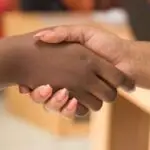
- Hausa: Greet with a slight bow and handshake, saying “Ina kwana.”
- Igbo: Greet by clasping hands and bowing slightly, saying “Kedu.”
- Ijaw: Greet with a handshake, placing the left hand on the right forearm.
- Efik: use phrases like “Idem mfo?” while women curtsy.
- Fulani: Greetings often involve inquiries about family and cattle,showing care and respect.
- Urhobo: Greetings may include a handshake and inquiries about well-being, reflecting a sense of community.
Teaching Methods
To deliver this lesson, the teacher will adopt the following methods: Discussion, Demonstration, Role-playing
Instructional Procedures
To deliver this lesson, the teacher will adopt the following steps:
Step 1: Introduction (Set Induction)
Time: 5 minutes
Teaching Skill: Questioning, explaining
Teacher’s Activity: Introduces the topic, asks pupils what they know about greetings.
Pupils’ Activity: Share their understanding of greetings.
Step 2: Clarification of Key Concepts
Time: 10 minutes
Teaching Skill: Explaining, illustrating
Teacher’s Activity: explains the importance of greetings and introduces the concept of cultural diversity in greetings.
Pupils’ Activity: Listen attentively and ask clarifying questions.
Step 3: Demonstration/Guided Practice
Time: 15 minutes
Teaching Skill: Demonstrating, guiding
Teacher’s Activity: Demonstrates different greetings from various ethnic groups in nigeria.
Pupils’ Activity: Observe and participate in guided practice.
Step 4: Independent Practice
Time: 5 minutes
Teaching Skill: Monitoring, providing feedback
Teacher’s Activity: Guides pupils in practicing the greetings independently.
Pupils’ activity: Practice greetings in pairs or small groups.
Step 5: Note-Taking
Time: 2 minutes
Teaching Skill: Summarizing, note-taking
Teacher’s Activity: Summarizes key points and encourages pupils to take notes.
Pupils’ Activity: Take notes on key concepts.
Step 6: Evaluation/Review
Time: 3 minutes
Teaching Skill: Questioning, assessing
Teacher’s activity: Asks evaluation questions to assess understanding.
Pupils’ Activity: Answer evaluation questions.
Objective-aligned checks:
- Identify at least four different ethnic groups in Nigeria.
- Accurately demonstrate at least two different ethnic group greetings.
Step 7: Conclusion
Time: 2 minutes
Teaching Skill: Summarizing, reinforcing
Teacher’s Activity: Summarizes the key points, emphasizing the importance of respecting diverse cultures and their unique greetings.Encourages pupils to practice these greetings in their daily lives.
Pupils’ Activity: listen to the summary and ask any remaining questions.
Lesson Keywords
- Greeting – A way of showing respect and acknowledging someone.
- Ethnic Group – A community or population made up of people who share a common cultural background.
- Respect – A feeling of deep admiration for someone or something elicited by their abilities, qualities, or achievements.
- Culture – The customs, arts, social institutions, and achievements of a particular nation, people, or group.
- diversity – The state of being diverse; variety.
Lesson Evaluation
To evaluate the learning, the teacher asks pupils to:
- Name four ethnic groups in Nigeria and describe one unique greeting from each.
- Show how the Yoruba people greet their elders.
- Why is it vital to respect different ways of greeting?
- Can you think of othre ways people greet in different parts of the world? Cultural Diversity
- How can we show respect for different cultures and traditions?
Assignment/Homework
- Ask your parents or guardians about the conventional greetings in your ethnic group.
- Write down three reasons why it is important to respect different cultures.
- Draw a picture of people from different ethnic groups greeting each other respectfully.
Differentiation
- For slower learners: The teacher will provide one-on-one assistance and use visual aids.
- For advanced learners: The teacher will encourage them to research greetings from other parts of the world and present their findings to the class.
- For visual/auditory/kinesthetic learners: Use pictures, videos, and role-playing to cater to different learning styles.
Note for Teachers
Encourage pupils to share their own cultural greetings and experiences to create a more inclusive and engaging learning environment. Emphasize the importance of showing respect and understanding towards all cultures.


Community Join the conversation Open discussion +