

Class: Senior Secondary School 2 (SS2 / SSS 2)
Term: Second Term
Week: 6
Age: 16 years
Duration: 45 minutes
Subject: Agricultural Science
Curriculum Theme: Crop and Animal Production
Previous Lesson: Environmental Factors: Meaning and Climatic Factors Affecting Production.
Topic: Biotic factors affecting agricultural production
Subject Matter: Meaning of biotic factors (living organisms that affect production), biotic factors (predators, parasites, soil micro organisms, pests, disease organisms)
Specific Objectives
By the end of the lesson, pupils should be able to:
Cognitive Domain:
- Define biotic factors.
- List different types of biotic factors.
- Explain how each biotic factor affects agricultural production.
Affective Domain:
- Appreciate the importance of understanding biotic factors in agriculture.
- Show concern for the health of plants and animals in agricultural settings.
Psychomotor Domain:
- Identify common pests and disease signs on plant samples or images.
- Draw simple illustrations of plants affected by pests or diseases.
Social Domain:
- Discuss with peers potential solutions to problems caused by biotic factors.
Reference Materials
The following resources were used in planning this lesson:
- Senior Secondary Schools Education Curriculum
- State Unified Scheme of Work
- Essential Agricultural Science for Senior Secondary Schools, by O.A. Iwena.
- Federal Ministry of Agriculture and Rural Development
Instructional Materials
The teacher will teach this lesson with the aid of:
- Live plant samples (some healthy, some showing signs of pest attack or disease)
- Samples or photos of common agricultural pests and parasites
- Soil sample
- Microscope images of soil microorganisms or disease-causing agents
- Whiteboard or chalkboard and markers/chalk
Rationale for the Lesson
Understanding biotic factors helps pupils identify living organisms that can harm crops and livestock. This knowledge is important for developing strategies to protect agricultural produce and ensure food security in their communities.
Prerequisite/Previous Knowledge
Pupils have basic knowledge of living organisms and environmental factors that influence plant and animal growth from previous lessons in Basic Science and Agricultural Science.
Lesson Content/Board Summary
Biotic Factors Affecting Agricultural Production
Meaning of Biotic Factors
Biotic factors are living organisms that affect agricultural production. These organisms can either be beneficial or harmful to crops and livestock, influencing their growth, yield, and overall health.
Types of Biotic Factors and Their Effects
The following are major types of biotic factors:
-
Predators: These are animals that hunt and kill other animals for food. In agriculture, predators can be beneficial (e.g., ladybugs preying on aphids) or harmful (e.g., wild animals preying on livestock, birds eating crops).
- Effects: Reduction in livestock population, damage to crops, but can also control pest populations.
-
Parasites: These are organisms that live on or in another organism (the host) and derive nutrients from it, usually causing harm.
- Examples: Ticks on cattle, nematodes in plant roots, mistletoe on trees.
- Effects: Weakening of host, reduced growth, decreased yield, transmission of diseases.
-
Soil Microorganisms: These are tiny living organisms in the soil, including bacteria, fungi, algae, and protozoa. They can be beneficial or harmful.
- Beneficial Effects: Decompose organic matter, fix nitrogen, improve soil structure, nutrient cycling.
- Harmful Effects: Cause plant diseases (e.g., bacterial wilt, fungal rot), compete with plants for nutrients.
-
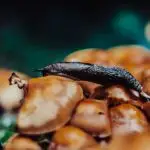
Pests: These are organisms, mainly insects, rodents, and birds, that damage crops, stored products, or livestock.
- Examples: Locusts, grasshoppers, weevils, rats, birds.
- Effects: Chewing leaves, sucking sap, boring into stems/fruits, contaminating stored produce, transmitting diseases, causing significant yield losses.
-
Disease Organisms (Pathogens): These are microorganisms (bacteria, fungi, viruses, nematodes) that cause diseases in plants and animals.
- Examples: Fungal rusts on maize, bacterial blight on cotton, viral mosaic disease in cassava, foot-and-mouth disease in cattle.
- Effects: Stunted growth, discolouration, wilting, lesions, reduced productivity, death of plants or animals.
Teaching Methods/Instructional Techniques
Discussion, Lecture, Demonstration, Question and Answer, Visual Aids
Instructional Procedures
Step 1: Introduction
Time: 5 minutes
Teaching Skill: Set Induction
Teacher’s Activity: The teacher greets the pupils and asks them to observe the plant samples provided, inquiring about any visible signs of damage or unusual growth. The teacher then introduces the topic of biotic factors affecting agricultural production.
Pupils’ Activity: Pupils observe the plant samples, respond to the teacher’s questions, and listen attentively to the introduction.
Learning Point: Pupils are introduced to the concept of organisms affecting plants and agricultural production.
Step 2: Meaning of Biotic Factors
Time: 5 minutes
Teaching Skill: Explanation
Teacher’s Activity: The teacher defines biotic factors as living organisms that influence agricultural production, both positively and negatively. The teacher writes the definition on the board.
Pupils’ Activity: Pupils listen and copy the definition into their notebooks.
Learning Point: Pupils understand the definition of biotic factors.
Step 3: Predators and Parasites
Time: 8 minutes
Teaching Skill: Explanation and Illustration
Teacher’s Activity: The teacher explains predators and parasites, providing examples relevant to agriculture, such as wild animals attacking livestock or ticks on farm animals. The teacher uses pictures or samples to illustrate.
Pupils’ Activity: Pupils listen, observe the visuals, and ask questions for clarification.
Learning Point: Pupils learn about predators and parasites as biotic factors and their effects.
Step 4: Soil Microorganisms
Time: 7 minutes
Teaching Skill: Discussion
Teacher’s Activity: The teacher discusses the role of soil microorganisms, highlighting both their beneficial aspects (e.g., decomposition, nitrogen fixation) and harmful aspects (e.g., causing plant diseases) with the help of a soil sample or microscope images.
Pupils’ Activity: Pupils contribute to the discussion by recalling previous knowledge and noting down key points.
Learning Point: Pupils understand the dual role of soil microorganisms in agriculture.
Step 5: Pests
Time: 8 minutes
Teaching Skill: Demonstration and Explanation
Teacher’s Activity: The teacher explains what agricultural pests are, showing samples or photos of common pests like locusts, grasshoppers, or weevils. The teacher describes the damage they cause to crops and stored produce.
Pupils’ Activity: Pupils observe the visuals, listen to the explanations, and identify pests from the samples provided.
Learning Point: Pupils identify common agricultural pests and understand their destructive impact.
Step 6: Disease Organisms
Time: 7 minutes
Teaching Skill: Explanation and Visual Aid
Teacher’s Activity: The teacher explains disease organisms (pathogens) and how they cause diseases in plants and animals. The teacher uses the affected plant samples or images to show symptoms of common plant diseases.
Pupils’ Activity: Pupils observe the disease symptoms on the samples and relate them to the teacher’s explanations.
Learning Point: Pupils understand disease organisms and recognize common disease symptoms in agriculture.
Step 7: Evaluation/Review
Time: 5 minutes
Teaching Skill: Questioning/Assessment
Teacher’s Activity: The teacher evaluates the learning by asking the following questions:
- What are biotic factors in agricultural production?
- Mention three types of biotic factors.
- Explain how pests affect agricultural production.
- Give an example of a beneficial soil microorganism and its role.
Pupils’ Activity: Pupils answer orally and in writing.
Learning Point: Pupils demonstrate understanding of the lesson.
Step 8: Conclusion
Time: 5 minutes
Teaching Skill: Summarization
Teacher’s Activity: The teacher summarizes the key learning points about biotic factors and their impact on agriculture. The teacher assigns homework for pupils to research methods of controlling one type of biotic factor.
Pupils’ Activity: Pupils listen to the summary and copy the homework.
Learning Point: Pupils consolidate their understanding and are given a task to reinforce learning.
Lesson Keywords
- Biotic factors – Living organisms that affect other living organisms in an ecosystem.
- Predators – Animals that hunt and kill other animals for food.
- Parasites – Organisms that live on or in a host organism and derive nutrients from it, causing harm.
- Soil microorganisms – Microscopic living organisms found in the soil.
- Pests – Organisms that are harmful or destructive to crops, livestock, or stored products.
- Disease organisms (Pathogens) – Microorganisms that cause diseases in plants and animals.
Differentiation
The teacher will provide additional visual aids and simplified explanations for pupils who may be struggling. Advanced learners will be encouraged to research specific local examples of biotic factors and their management. Group discussions will allow pupils of varying abilities to contribute and learn from each other.
Note for teachers using this lesson plan
Teachers should encourage pupils to bring in local examples of pest-infested plants or observe them in the school garden. Real-life examples make the lesson more relatable and impactful. Emphasize the economic importance of managing these factors for increased agricultural output.

Community Join the conversation Open discussion +