

Class: Junior Secondary School 1 (JSS1, JSS 1)
Term: 2nd Term
Week: 1
Age: 12 years
Duration: 45 minutes
Subject: National Values Education
Curriculum Theme: Social Studies
Previous Lesson:
Topic: Similarities and Differences Among Cultures in Nigeria
Subject Matter: Cultural similarities and differences in Nigeria
Specific Objectives
By the end of the lesson, pupils should be able to:
- Cognitive Domain:
(a) Identify the major similarities among cultures in Nigeria.
(b) State the major differences that exist among various Nigerian cultures. - Affective Domain:
(a) Appreciate the importance of cultural diversity and unity in Nigeria. - Psychomotor Domain:
(a) Display cultural items or symbols from their ethnic groups. - Social Domain:
(a) Cooperate and participate in group discussions about cultural heritage and respect for others’ traditions.
Reference Materials
The following resources were used in planning this lesson:
- 9 Years Basic Education Curriculum
- Lagos State Unified Scheme of Work for Junior Secondary Schools
- BBC News – “Nigeria Profile: Facts and Culture” (https://www.bbc.com/news/world-africa-13949550)
- Relevant Textbooks
Instructional Materials
The teacher will teach this lesson with the aid of:
- Charts and pictures showing traditional Nigerian attires and festivals
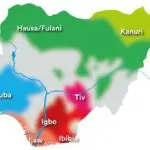
- A map of Nigeria showing major ethnic groups
- Audio or video clips of cultural dances
- Traditional household items or instruments (e.g., talking drum, beads, calabash)
- Flash cards displaying names of ethnic groups and cultural symbols
Rationale for the Lesson
Understanding similarities and differences among Nigerian cultures helps promote unity, tolerance, and respect for one another’s traditions and beliefs.
Prerequisite/Previous Knowledge
Pupils already have basic knowledge of the meaning of culture and can identify their ethnic group and some of their cultural practices.
Lesson Content/Board Summary
Similarities and Differences Among Cultures in Nigeria
Cultural Similarities in Nigeria
Though Nigeria is made up of many ethnic groups, several similarities exist in their ways of life. These similarities show that all Nigerians share common human values and practices.
The following are some cultural similarities in Nigeria:
- All cultures in Nigeria respect elders and value family relationships.
- Every ethnic group celebrates important festivals and ceremonies.
- Marriage, naming, and burial ceremonies are valued in all cultures.
- Most Nigerian cultures believe in a supreme being (God).
- All groups practice hospitality and care for visitors.
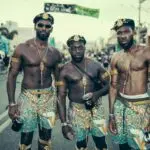
- Traditional music, dance, and dressing are part of cultural expression in every community.
- Farming and trading are common occupations across various tribes.
Cultural Differences in Nigeria
While there are similarities, there are also noticeable differences that make each culture unique. These differences are seen in language, food, clothing, and traditions.
The following are major cultural differences in Nigeria:
- Languages differ — e.g., Yoruba, Igbo, Hausa, Tiv, Efik, and others.
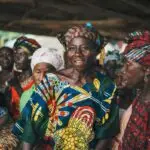
- Dressing styles vary — e.g., Yoruba wear agbada, Igbo wear isiagu, Hausa wear babariga.
- Traditional foods differ — e.g., Yoruba eat amala, Igbo eat ofe onugbu, Hausa eat tuwo shinkafa.
- Festivals and traditional ceremonies differ from tribe to tribe.
- Marriage customs and bride price systems are not the same.
- Music and dance patterns vary across different ethnic groups.
- Modes of greeting and cultural expressions differ — some kneel, some bow, some shake hands.
Importance of Understanding Cultural Similarities and Differences
Recognizing cultural similarities and differences helps people live peacefully and work together for national development.
The following are the importance of understanding cultural similarities and differences:
- It promotes unity and peace among citizens.
- It encourages tolerance and mutual respect.
- It helps to preserve Nigerian cultural heritage.
- It promotes national identity and cooperation.
- It reduces conflict arising from tribal or cultural misunderstanding.
Teaching Methods/Instructional Techniques:
Discussion, Lecture, Storytelling, Explanation, Visual Aids, Group Work, Question and Answer
Instructional Procedures
To deliver this lesson, the teacher will adopt the following steps:
Step 1: Introduction
Time: 5 minutes
Teaching Skill: Set Induction
Teacher’s Activity: The teacher starts by asking pupils about their ethnic groups and some of their traditional practices such as greetings or foods.
Pupils’ Activity: Pupils respond by naming their ethnic groups and mentioning cultural items or practices they know.
Learning Point: Pupils are reminded that Nigeria has many cultures that share similarities and differences.
Step 2: Cultural Similarities in Nigeria
Time: 10 minutes
Teaching Skill: Explanation
Teacher’s Activity: The teacher explains and lists some similarities among Nigerian cultures using charts and examples.
Pupils’ Activity: Pupils listen, take notes, and give examples of similar practices in their communities.
Learning Point: Pupils learn that Nigerian cultures share common values such as respect, festivals, and family life.
Step 3: Cultural Differences in Nigeria
Time: 10 minutes
Teaching Skill: Discussion
Teacher’s Activity: The teacher discusses various differences among Nigerian cultures using pictures and real-life examples.
Pupils’ Activity: Pupils identify unique cultural items or practices from their own backgrounds.
Learning Point: Pupils understand that differences in culture make each group unique but still part of one nation.
Step 4: Importance of Understanding Cultural Similarities and Differences
Time: 10 minutes
Teaching Skill: Discussion
Teacher’s Activity: The teacher explains why it is important to understand and respect cultural similarities and differences in Nigeria.
Pupils’ Activity: Pupils share ideas on how people from different tribes can live peacefully.
Learning Point: Pupils appreciate that respecting other cultures promotes unity and peace.
Step 5: Note-Taking
Time: 5 minutes
Teaching Skill: Explanation
Teacher’s Activity: The teacher dictates or writes the summarized lesson notes on the board for pupils to copy.
Pupils’ Activity: Pupils copy notes neatly in their exercise books.
Learning Point: Pupils record key points from the lesson.
Step 6: Evaluation/Review
Time: 3 minutes
Teaching Skill: Questioning
Teacher’s Activity: The teacher evaluates the learning by asking the following questions:
- Mention three similarities among Nigerian cultures.
- Mention three differences among Nigerian cultures.
- State two importance of understanding cultural similarities and differences.
Pupils’ Activity: Pupils respond to the teacher’s questions orally.
Learning Point: Pupils demonstrate understanding of the lesson.
Step 7: Conclusion
Time: 2 minutes
Teaching Skill: Reinforcement
Teacher’s Activity: The teacher summarizes the lesson, reinforces key points, and encourages respect for all Nigerian cultures.
Pupils’ Activity: Pupils listen and ask questions where necessary.
Learning Point: Pupils appreciate the importance of cultural diversity and unity.
Home Task: Write a short, evidence-based paragraph about one safe and relevant example of Similarities and Differences Among Cultures in Nigeria.
Lesson Keywords
- Culture – people’s way of life
- Tradition – customs passed down from generation to generation
- Ethnic group – a group of people with a common language and culture
- Diversity – variety or difference in people or things
- Tolerance – respect and acceptance of others’ differences
Differentiation
Teacher provides additional explanation and visual aids for slower learners while encouraging advanced learners to share examples from their communities.
Note for teachers using this lesson plan
Encourage cultural inclusiveness by allowing pupils to bring cultural items from home for demonstration. Avoid tribal bias or stereotypes during discussions.

Community Join the conversation Open discussion +