

Class: Primary Two
Term: Third Term
Subject: History
Curriculum Theme:
Previous Lesson: Heroes and Heroines in the State
Topic: Names of Heroes and Heroines from our State
Content/Learning Area: Identifying heroes and heroines,showing respect for heroes and heroines,creating artistic representations,discussing heroic qualities
Time Allocation: 40 minutes
Performance Objectives
By the end of the lesson,pupils should be able to:
- Cognitive Domain:
1. Identify and list at least two heroes and heroines from the state.
- affective Domain:
1.Show respect and pride while discussing the contributions of these heroes and heroines.
- Psychomotor Domain:
1. Create a simple artistic representation of one hero or heroine.
- Social Domain:
1. Discuss the qualities that make someone a hero or heroine with peers.
Reference Materials
- 9 – Years Basic Education Curriculum
- abuja Educational Resource Center Scheme of Work
- NAPPS National Unified Scheme of Work
- Relevant Textbooks
Instructional Materials
To deliver this lesson, the teacher will use the following materials:
- Whiteboard or chart paper
- Markers or crayons
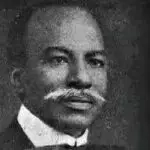
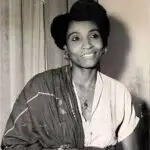
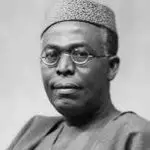
- Pictures of heroes and heroines
Rationale for the Lesson
This lesson is crucial for instilling patriotism and gratitude for historical figures. Learning about these individuals helps pupils understand their heritage and inspires them to strive for excellence.
Prerequisite/Previous Knowledge
The teacher will begin by asking pupils to recall what they learned in the previous lesson about heroes and heroines. A brief discussion will follow, leading into the introduction of today’s lesson on specific names of state heroes and heroines.
Lesson Content
Heroes and Heroines In The State – Names
Many heroes and heroines from our state have made notable contributions. They showed bravery, wisdom, and leadership. Here are some examples:
- King Jaja of Opobo: Known for his wisdom and resistance against colonialism.
- Queen Amina of Zazzau: Renowned for her military strategies and leadership.
- Chief Obafemi Awolowo: A prominent politician and statesman.
- Dr. Nnamdi Azikiwe: The first president of Nigeria.
- Alvan ikoku: A renowned educationist and politician.
- Funmilayo Ransome-Kuti: A prominent feminist and activist.
- Sir Ahmadu Bello: A prominent politician and statesman.
- Margaret Ekpo: A pioneering female politician and activist.
- Herbert Macaulay: Considered the father of Nigerian nationalism.
- joseph Sarwuan Tarka: A champion of the rights of minority groups.
Choosing Local Heroes and Heroines
A state hero or heroine is remembered for useful service, courage, knowledge, leadership or care for others in that state. The teacher should insert verified local examples rather than guess from a pupil’s language or surname.
Pupils can ask: What did the person do? Who benefited? Is there reliable evidence? A famous person is not automatically a hero, and people may discuss a historical figure’s strengths and mistakes respectfully.
Teaching Methods
To deliver this lesson, the teacher will adopt the following methods: Discussion, question and answer, Art activity
Instructional Procedures
To deliver this lesson, the teacher will adopt the following steps:
Step 1: Introduction
Time: 5 minutes
Teaching Skill: Set Induction
Teacher’s Activity: Review previous lesson; introduce the topic of naming state heroes and heroines.
Pupils’ Activity: Participate in review; listen attentively to the introduction.
Step 2: Clarification of Key Concepts
Time: 10 minutes
Teaching Skill: explanation
Teacher’s Activity: Explain the concept of heroes and heroines; provide examples from the state.
Pupils’ Activity: Listen attentively; ask clarifying questions.
Step 3: Presentation/Guided Practice
Time: 10 minutes
Teaching Skill: Modeling
Teacher’s Activity: Show examples of artwork depicting heroes and heroines; guide pupils in creating simple drawings.
Pupils’ Activity: Observe the demonstration; participate in guided practice.
Step 4: Autonomous Practice
Time: 5 minutes
Teaching Skill: monitoring
Teacher’s Activity: supervise pupils as they create their own drawings.
Pupils’ Activity: Create individual drawings of a chosen hero or heroine.
Step 5: Note-Taking
Time: 5 minutes
Teaching Skill: note-taking
Teacher’s Activity: Guide pupils in writing down the names of at least two heroes and heroines.
Pupils’ Activity: Write down the names of heroes and heroines.
Step 6: Evaluation/Review
Time: 5 minutes
Teaching Skill: Questioning
Teacher’s Activity: Ask evaluation questions; review key concepts.
Pupils’ Activity: Answer evaluation questions; participate in review.
Objective-aligned checks:
- Identify and list at least two heroes and heroines from the state.
- Show respect and pride while discussing the contributions of these heroes and heroines.
Step 7: Conclusion
Time: 2 minutes
Teaching Skill: Summarizing
Teacher’s Activity: Summarize the key points and commend pupils for their participation. Assign homework.
Pupils’ Activity: Listen to the summary and note the homework assignment.
Lesson Keywords
- Heroes – People who have done brave or vital things.
- Heroines – Women who have done brave or important things.
- State – A region or area within a country.
- Qualities – Characteristics or traits that define someone.
- Contribution – The act of giving or doing something for others.
Lesson Evaluation
To evaluate the learning, the teacher asks pupils to:
- Name two heroes or heroines discussed today.
- Mention one quality of a hero or heroine.
- Draw a simple picture of one hero or heroine. See exmaple.
- Why should we remember these heroes and heroines?
Assignment/Homework
- research and write a short paragraph about one of the heroes or heroines discussed.
- Ask your parents or guardians about other heroes and heroines from your state and write down their names.
differentiation
- For slower learners: Provide one-on-one assistance and simplified instructions.
- For advanced learners: Challenge them to research and present information on additional heroes and heroines.
- For visual/auditory/kinesthetic learners: Use visual aids, discussions, and hands-on activities to cater to different learning styles.
Note for Teachers
Ensure to use local examples and visual aids to make the lesson more relatable and engaging for the pupils. Encourage class participation and create a supportive environment for all learners.

Community Join the conversation Open discussion +