

Class: Primary Two
Term: First Term
Subject: History
Curriculum Theme:
Previous Lesson: Culture, Indigenous People of the State IV
Topic: Religions of Indigenous People
Content/learning Area: Defining religion, Identifying various religions in the state
Time Allocation: 40 minutes
Performance Objectives
By the end of the lesson, pupils should be able to:
- Cognitive Domain:
- Define the term “religion”.
- Identify various religions practiced in the state.
- Affective Domain:
- Show respect for different religions.
- Demonstrate an understanding of religious diversity.
- Psychomotor Domain:
- Actively participate in class discussions.
- take notes on the lesson.
- social Domain:
- Engage in respectful discussions about different religions.
- Cooperate with classmates during activities.
Reference Materials
9 – Years basic Education Curriculum
abuja Educational Resource Center Scheme of work
NAPPS National Unified Scheme of Work
relevant Textbooks
Instructional Materials
To deliver this lesson, the teacher will make use of a whiteboard or chart paper, markers, and relevant pictures or illustrations.
Rationale for the Lesson
Understanding different religions promotes tolerance and respect for diverse cultures.This lesson provides a foundation for future learning about cultural diversity and peaceful coexistence.
Prerequisite/Previous Knowledge
The teacher will begin by asking pupils what thay already no about different beliefs and practices people follow. A brief discussion will follow, setting the stage for learning about different religions.
Lesson Content
Religion
Religion is a system of beliefs and practices that people follow in their lives. It helps people understand life and the world and guides how they live and treat each other. [[1]]
Types of Religion
Many different religions exist in our state.Some examples include:
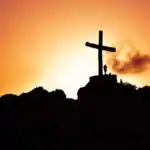
- Christianity: People who believe in Jesus Christ and follow the Christian faith. [[2]]
- Islam: people who follow the Islamic faith and believe in Allah (God) and the teachings of the Prophet Muhammad.
- Conventional Religion: People who have their own conventional beliefs and worship their ancestors or nature spirits.
- Traditional african Religions: These religions involve the worship of deities, spirits, and ancestors, with rituals and ceremonies that vary among different ethnic groups.
- syncretic Religions: These are religions that blend elements of different belief systems, often combining aspects of Christianity or Islam with traditional African beliefs.
Teaching methods
To deliver this lesson, the teacher will adopt the following methods: Discussion, Question and Answer, Use of Visual Aids, Storytelling, Clarification.
Instructional Procedures
To deliver this lesson,the teacher will adopt the following steps:
Step 1: Introduction (Set Induction)
Time: 5 minutes
Teaching Skill: Questioning
Teacher’s Activity: Ask pupils what they know about religion and different beliefs.
Pupils’ Activity: Share their prior knowledge and participate in a brief discussion.
Step 2: Description of Key Concepts
Time: 10 minutes
Teaching Skill: Explaining
Teacher’s Activity: Define religion and explain its importance.
Pupils’ Activity: Listen attentively and ask clarifying questions.
Step 3: Examples of Religions
Time: 10 minutes
Teaching Skill: Modeling
Teacher’s Activity: Discuss examples of different religions in the state.
Pupils’ activity: Participate in a guided discussion and identify examples.
Step 4: Self-reliant Practice
Time: 5 minutes
Teaching Skill: Monitoring
Teacher’s Activity: Pupils answer evaluation questions individually.
Pupils’ Activity: Answer evaluation questions independently.
Step 5: Note-Taking
Time: 5 minutes
Teaching Skill: Guiding
Teacher’s activity: guide pupils in taking notes on key concepts.
Pupils’ Activity: Take notes on the lesson.
Step 6: Evaluation/Review
Time: 5 minutes
Teaching skill: Assessing
Teacher’s Activity: Review key concepts and answer any remaining questions.
pupils’ Activity: Participate in the review and ask questions.
Objective-aligned checks:
- Define the term “religion”.
- Identify various religions practiced in the state.
- Show respect for different religions.
Step 7: Conclusion
Time: 2 minutes
Teaching Skill: Summarizing
Teacher’s Activity: Summarize the key concepts and emphasize the importance of respecting all religions. Assign a short homework activity.
pupils’ Activity: Listen to the summary and note the homework assignment.
Lesson Keywords
Religion – A system of beliefs and practices. Christianity – Belief in Jesus Christ.
Islam – Belief in Allah and the teachings of Prophet Muhammad.
Conventional Religion – Traditional beliefs and worship of ancestors or nature spirits. Tolerance – Respect for different beliefs.
Lesson Evaluation
To evaluate the learning, the teacher asks pupils to:
- Name some religions discussed today.
- What is the meaning of religion?
- What are some practices associated with different religions in our state?
- Why is respecting different religions significant?
Assignment/Homework
- Draw pictures representing different religions.
- Ask your parents or guardians about their religious beliefs and share with the class next time.
Differentiation
For slower learners: Provide one-on-one assistance and simplified explanations.
For advanced learners: Encourage further research on different religious practices.
* For visual/auditory/kinesthetic learners: Use visual aids, discussions, and hands-on activities to cater to different learning styles.
Note for Teachers
encourage pupils to share their own experiences and beliefs respectfully. Emphasize the importance of tolerance and understanding towards all religions. Be sensitive to the diverse backgrounds of pupils in the class.


Community Join the conversation Open discussion +