

Class: Primary Two
Term: First term
Subject: History
Curriculum Theme:
Previous Lesson: Indigenous People of the State
Topic: indigenous People Of The State
Content/Learning Area: Identifying indigenous people, examples of indigenous people, Importance of knowing indigenous people
Time allocation: 40 minutes
Performance objectives
By the end of the lesson, pupils should be able to:
- Cognitive Domain:
1. List two examples of indigenous people of the state.
2. Identify the importance of understanding indigenous people.
- Affective Domain:
1. Show interest in learning about indigenous people.
2. Appreciate the diverse cultures of indigenous people.
- Psychomotor Domain:
1. Actively participate in class discussions.
2. take notes on key concepts.
- Social Domain:
1. Work collaboratively with peers.
2. Respect the diverse cultures of indigenous people.
Reference Materials
- 9 – Years Basic Education Curriculum
- Abuja Educational Resource Centre Scheme of Work
- NAPPS National Unified Scheme of Work
- Relevant Textbooks
Instructional Materials
To deliver this lesson, the teacher will use the following materials:
- Whiteboard or chart paper
- Markers or crayons
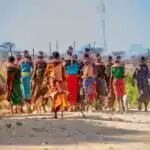
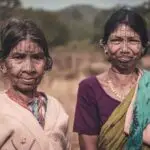
- Relevant pictures or illustrations of indigenous people
Rationale for the Lesson
Understanding indigenous people is crucial for appreciating the rich cultural heritage of our state. This lesson lays the foundation for future learning about history,culture,and social studies.
Prerequisite/Previous Knowledge
Pupils are familiar with the concept of different ethnic groups in Nigeria.
Lesson Content
Indigenous People of The State
Indigenous people are the original inhabitants of a specific region or country, having lived there for many generations.
Examples of indigenous People
indigenous people are the original inhabitants of a particular region or country. These include:
- The Yoruba people: The Yoruba are a large ethnic group in Nigeria, known for their rich culture, including music, dance, and art. [[Online Information]]
- The Igbo people: The Igbo are another large ethnic group in Nigeria, known for their entrepreneurial spirit and contributions to trade.[[Online Information]]
- The Hausa-Fulani people: The Hausa-fulani are Nigeria’s largest ethnic group, known for cattle herding and contributions to agriculture. [[Online Information]]
- The Ibibio people: The Ibibio are a major ethnic group in Nigeria’s Niger Delta, known for their rich cultural traditions and contributions to the oil and gas industry. [[Online Information]]
- The Kanuri people: The Kanuri are an ethnic group mainly in northeastern Nigeria, known for their rich history and contributions to trade.[[Online Information]]
- The Edo people: The Edo people, also known as the Bini, are known for their ancient Benin Empire and unique art. [[Online Information]]
- The Tiv people: The Tiv are an ethnic group in central Nigeria, known for their agricultural practices and social organization. [[Online Information]]
Teaching Methods
to deliver this lesson, the teacher will adopt the following methods: Discussion,Question and answer,Visual aids
Instructional Procedures
To deliver this lesson,the teacher will adopt the following steps:
Step 1: Introduction
Time: 5 minutes
Teaching Skill: Set Induction
Teacher’s Activity: Asks pupils what they know about the history of their state and introduces the topic of indigenous people.
Pupils’ Activity: respond to teacher’s questions and listen attentively.
Step 2: Explanation of Key Concepts
Time: 10 minutes
Teaching Skill: Explaining
Teacher’s Activity: Explains the meaning of “indigenous people” and their meaning.
Pupils’ Activity: Listen attentively and take notes.
Step 3: Demonstration/Guided Practice
Time: 10 minutes
teaching Skill: Demonstrating
Teacher’s Activity: Shows pictures of different indigenous groups and discusses their unique characteristics.
Pupils’ Activity: Observe and participate in discussions.
Step 4: Autonomous Practice
Time: 5 minutes
Teaching Skill: monitoring
teacher’s Activity: Guides pupils in identifying examples of indigenous people in the state.
Pupils’ Activity: Work individually or in pairs to identify examples.
Step 5: Note-Taking
Time: 5 minutes
Teaching skill: Guiding
Teacher’s Activity: Guides pupils in summarizing key points.Pupils’ Activity: Take notes on key concepts.
Step 6: Evaluation/Review
Time: 5 minutes
Teaching Skill: Questioning
Teacher’s Activity: Asks evaluation questions.
Pupils’ Activity: Answer evaluation questions.
Objective-aligned checks:
- List two examples of indigenous people of the state.
- Identify the importance of understanding indigenous people.
- Show interest in learning about indigenous people.
Step 7: Conclusion
Time: 2 minutes
Teaching Skill: Summarizing
teacher’s activity: Summarizes the key points of the lesson.
Pupils’ Activity: Listen attentively.
Lesson Keywords
- Indigenous – Native to a particular place.
- Culture – The customs, arts, and social institutions of a group.
- Heritage – The traditions, achievements, and beliefs that are part of the history of a group or nation.
- Ethnic Group – A community or population made up of people who share a common cultural background or descent.
- Inhabitants – People who live in a particular place.
Lesson Evaluation
To evaluate the learning,the teacher asks pupils to:
- Name two indigenous people from our state.
- Why is it critically vital to know about our indigenous people?
- What are some cultural traditions of the indigenous people in our state?
- How have indigenous people contributed to the progress of our state?
- What can we do to learn more about and celebrate the indigenous people of our state?
Assignment/Homework
- Research and write a short paragraph about one indigenous group in Nigeria.
- Draw a picture representing a cultural aspect of an indigenous group in Nigeria.
Differentiation
- For slower learners: Provide one-on-one assistance and use simpler language.
- For advanced learners: Encourage them to research further and present their findings to the class.
- For visual/auditory/kinesthetic learners: Use visual aids, discussions, and hands-on activities to cater to different learning styles.
Note for Teachers
Ensure to use local examples and visual aids to make the lesson more engaging and relatable for the pupils. Encourage active participation and respect for diverse cultures.


Community Join the conversation Open discussion +