

Class: Senior Secondary School 2 (SS2 / SSS 2)
Term: 3rd Term
Week: 8
Age: 16 years
Duration: 45 minutes
Subject: Auto Mechanic Work
Curriculum Theme: Vehicle Maintenance
Previous Lesson: Wheel and Tyre—Road Wheels and Tyre Pressure: Vulcanizing Tubes and Tubeless Tyres.
Topic: WHEELS AND TYRE SERVICE—VULCANIZED TUBES AND TUBELESS TYRES.
Subject Matter: Meaning of WHEELS AND TYRE SERVICE—VULCANIZED TUBES AND TUBELESS TYRES (definition of tyre service), causes of tyre wear (alignment issues, underinflation, overloading), remedies (corrections, maintenance), process involved in vulcanizing (practice steps).
Specific Objectives
By the end of the lesson, pupils should be able to:
Cognitive Domain:
- Define tyre service.
- State at least three common causes of tyre wear.
- Identify remedies for different types of tyre wear.
Affective Domain:
- Appreciate the importance of regular tyre maintenance for vehicle safety.
- Show interest in learning practical tyre repair skills.
Psychomotor Domain:
- Demonstrate the basic steps involved in vulcanizing a tyre tube.
- Correctly identify different tyre wear patterns.
Social Domain:
- Work cooperatively with peers during practical demonstrations.
- Share knowledge about tyre maintenance with others.
Reference Materials
The following resources were used in planning this lesson:
- Senior Secondary Schools Education Curriculum
- State Unified Scheme of Work
- Auto Mechanic Work for Senior Secondary Schools Textbook
Instructional Materials
The teacher will teach this lesson with the aid of:
- Damaged tyre tubes
- Tyres with visible wear patterns
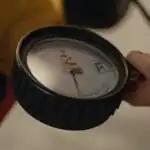
- Tyre pressure gauge
- Complete vulcanizing equipment (rasper, rubber solution, patch, clamp, heating element)
- Charts showing different tyre wear patterns.
Rationale for the Lesson
This lesson helps pupils understand the essential aspects of tyre maintenance and repair, which are important for vehicle safety and performance. Learning about tyre service and vulcanizing enables pupils to perform basic repairs and identify issues, contributing to road safety and reducing maintenance costs.
Prerequisite/Previous Knowledge
Pupils should have basic knowledge of vehicle components and the general function of wheels and tyres.
Lesson Content/Board Summary
WHEELS AND TYRE SERVICE—VULCANIZED TUBES AND TUBELESS TYRES
Definition of Tyre Service
Tyre service refers to the overall care and maintenance of vehicle tyres and wheels. This includes checking tyre pressure, inspecting for wear and damage, balancing, rotation, alignment, and repairing punctures. Proper tyre service ensures safety, extends tyre life, and improves fuel efficiency.
Causes of Tyre Wear
Tyre wear occurs due to various factors, leading to reduced grip and premature replacement. Common causes include:
- Underinflation: When tyres are not inflated to the recommended pressure, the edges of the tread wear out faster. This also causes increased heat buildup and rolling resistance.
- Overinflation: If tyres are overinflated, the center of the tread carries most of the load, leading to excessive wear in the middle.
- Improper Wheel Alignment: Misaligned wheels cause tyres to drag or scrub unevenly, resulting in feathering or shoulder wear on one side.
- Improper Wheel Balancing: Unbalanced wheels can cause irregular and patchy wear patterns, especially on the edges of the tyre.
- Overloading: Carrying loads beyond the tyre’s maximum weight capacity puts excessive stress on the tyres, leading to rapid and uneven wear, especially on the shoulders.
- Aggressive Driving: Hard braking, rapid acceleration, and fast cornering increase friction and heat, causing accelerated wear across the tread.
- Worn Suspension Components: Faulty shock absorbers, struts, or worn bushings can lead to uneven tyre wear patterns like cupping or scalloping.
Remedies for Tyre Wear
Addressing the causes of tyre wear can extend tyre life and ensure safety. Remedies include:
- Regular Tyre Pressure Checks: Maintain recommended tyre pressure as specified by the vehicle manufacturer.
- Wheel Alignment: Have wheel alignment checked and adjusted by a professional regularly, especially after hitting potholes or curb.
- Wheel Balancing: Ensure wheels are balanced whenever new tyres are fitted or if vibrations are felt.
- Tyre Rotation: Rotate tyres according to the manufacturer’s schedule to promote even wear across all four tyres.
- Avoid Overloading: Do not exceed the vehicle’s maximum load capacity.
- Driving Habits: Adopt smooth driving habits, avoiding sudden acceleration, braking, and sharp turns.
- Suspension Inspection: Inspect and replace worn suspension components as needed.
Process of Vulcanizing a Tube
Vulcanizing is a process of repairing punctures in tyre tubes by bonding a rubber patch to the damaged area using heat and pressure. The steps involved are:
- Step 1: Locate the Puncture: Inflate the tube slightly and submerge it in water to find the leak by observing air bubbles. Mark the spot.
- Step 2: Prepare the Area: Clean the area around the puncture thoroughly with a clean cloth. Use a rasp or sandpaper to roughen the surface around the puncture, creating a good bonding surface for the patch.
- Step 3: Apply Rubber Solution: Apply a thin, even layer of rubber solution (vulcanizing cement) to the roughened area. Allow it to dry for a few minutes until it becomes tacky.
- Step 4: Position the Patch: Peel off the backing from the rubber patch. Carefully center the patch over the puncture, ensuring the entire puncture is covered.
- Step 5: Apply Pressure and Heat: Place the patched area under a vulcanizing clamp. Apply firm pressure and heat using the vulcanizing machine. The heat and pressure activate the chemical bond, integrating the patch with the tube material.
- Step 6: Cool and Inspect: After the recommended heating time, remove the tube from the clamp and allow it to cool. Inspect the repair for a secure bond and test for leaks by reinflating the tube and submerging it in water.
Teaching Methods/Instructional Techniques
Discussion, Lecture, Demonstration, Question and Answer, Visual Aids
Instructional Procedures
Step 1: Introduction
Time: 5 minutes
Teaching Skill: Set Induction
Teacher’s Activity: The teacher greets the pupils, reviews the previous lesson, and introduces the new topic by asking pupils about the importance of tyres on a vehicle.
Pupils’ Activity: Pupils respond to questions and listen attentively to the introduction of the new topic.
Learning Point: Pupils recall previous knowledge and are prepared for the new lesson.
Step 2: Definition of Tyre Service
Time: 8 minutes
Teaching Skill: Explanation/Definition
Teacher’s Activity: The teacher defines tyre service, explaining its importance for vehicle safety and performance, and writes the definition on the board.
Pupils’ Activity: Pupils listen, take notes, and ask questions for clarification.
Learning Point: Pupils understand the meaning and scope of tyre service.
Step 3: Causes of Tyre Wear
Time: 8 minutes
Teaching Skill: Illustration/Discussion
Teacher’s Activity: The teacher uses charts and actual tyres to illustrate and explain various causes of tyre wear, such as underinflation, overinflation, and alignment issues. The teacher lists these on the board.
Pupils’ Activity: Pupils observe the charts and tyres, identify wear patterns, and copy the causes of tyre wear into their notebooks.
Learning Point: Pupils can identify and explain common causes of tyre wear.
Step 4: Remedies for Tyre Wear
Time: 7 minutes
Teaching Skill: Problem Solving/Discussion
Teacher’s Activity: The teacher discusses and lists the remedies for the identified causes of tyre wear, emphasizing proper maintenance practices like correct inflation, wheel alignment, and rotation.
Pupils’ Activity: Pupils contribute to the discussion and note down the remedies for tyre wear.
Learning Point: Pupils learn how to prevent and correct tyre wear issues.
Step 5: Introduction to Vulcanizing
Time: 7 minutes
Teaching Skill: Explanation/Demonstration
Teacher’s Activity: The teacher introduces vulcanizing as a method of tyre repair, explains the purpose of each vulcanizing equipment, and outlines the steps involved.
Pupils’ Activity: Pupils listen to the explanation and observe the vulcanizing equipment.
Learning Point: Pupils understand what vulcanizing is and the tools required.
Step 6: Demonstration of Vulcanizing
Time: 5 minutes
Teaching Skill: Practical Demonstration
Teacher’s Activity: The teacher demonstrates the step-by-step process of vulcanizing a punctured tyre tube using the available equipment.
Pupils’ Activity: Pupils keenly observe the demonstration, asking questions about the practical steps.
Learning Point: Pupils see the practical application of vulcanizing a tyre tube.
Step 7: Evaluation/Review
Time: 5 minutes
Teaching Skill: Questioning/Assessment
Teacher’s Activity: The teacher evaluates the learning by asking the following questions:
- What is tyre service?
- Mention three common causes of tyre wear.
- State two remedies for tyre wear.
- Outline the main steps involved in vulcanizing a tyre tube.
Pupils’ Activity: Pupils answer orally and in writing.
Learning Point: Pupils demonstrate understanding of the lesson.
Step 8: Conclusion
Time: 3 minutes
Teaching Skill: Summarization
Teacher’s Activity: The teacher summarizes the key points of the lesson and assigns homework, asking pupils to research tubeless tyre repair methods.
Pupils’ Activity: Pupils listen to the summary and copy down the homework.
Learning Point: The lesson is reinforced, and pupils are encouraged to explore further.
Lesson Keywords
- Tyre Service – The overall care and maintenance of vehicle tyres and wheels.
- Vulcanizing – A process of repairing punctures in tyre tubes by bonding a rubber patch using heat and pressure.
- Tyre Wear – The gradual loss of tread material from a tyre due to use, friction, and other factors.
- Underinflation – When a tyre is inflated to a pressure lower than recommended.
- Wheel Alignment – The adjustment of a vehicle’s suspension components to ensure wheels are set to the correct angles.
Differentiation
For pupils who grasp concepts quickly, the teacher can encourage them to research and present on advanced tyre repair techniques or the differences between radial and bias-ply tyres. For pupils needing more support, the teacher will provide closer supervision during practical demonstrations and offer simplified explanations of the causes and remedies for tyre wear.
Note for teachers using this lesson plan
Ensure all vulcanizing equipment is in good working condition and safety precautions are strictly followed during the demonstration. Emphasize the practical aspects of the lesson and encourage pupils to actively participate in identifying tyre wear patterns and understanding the repair process. Provide enough time for questions and practical engagement.

Community Join the conversation Open discussion +