

Class: Junior Secondary School 2 (JSS2, JSS 2)
Term: 2nd Term
Week: 3
Age: 13 years
Duration: 45 minutes
Subject: National Values Education
Curriculum Theme: Social Studies
Previous Lesson: Benefits of Positive Group Behaviour (Part 2)
Topic: Meaning And Consequences Of Drug Abuse And Harmful Substances (Part 1)
Subject Matter: Meaning of drug and drug abuse.
Specific Objectives
By the end of the lesson, pupils should be able to:
- Cognitive Domain:
(a) Define drug and drug abuse.
(b) Identify common drugs and harmful substances. - Affective Domain:
(a) Demonstrate negative attitudes toward drug abuse.
(b) Show willingness to educate peers on the dangers of drug abuse. - Psychomotor Domain:
(a) Illustrate examples of harmful substances through drawings or charts. - Social Domain:
(a) Discuss ways to discourage friends from engaging in drug abuse.
(b) Participate in group activities on drug abuse prevention.
Reference Materials
The following resources were used in planning this lesson:
- 9 Years Basic Education Curriculum
- Lagos State Unified Scheme of Work for Junior Secondary Schools
- Wikipedia – Substance abuse
- Relevant Textbooks
Instructional Materials
The teacher will teach this lesson with the aid of:
- Charts showing common drugs and harmful substances
- Flashcards with definitions and examples
- Short video clips on drug abuse effects
- Markers and whiteboard
- Handouts for group discussion
Rationale for the Lesson
To equip pupils with knowledge of drug abuse, its meaning, and consequences, fostering preventive attitudes and responsible behavior.
Prerequisite/Previous Knowledge
Pupils should have basic knowledge of substances they encounter daily and awareness of right and wrong behaviors.
Lesson Content/Board Summary
Meaning And Consequences Of Drug Abuse And Harmful Substances
Meaning of Drug
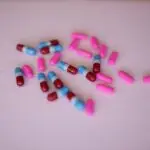
Drugs are substances that affect the normal functioning of the body and mind. They can be beneficial when used correctly, but harmful when misused.
The following are examples of drugs:
- Prescription medicines like antibiotics and painkillers
- Over-the-counter medications like paracetamol
- Stimulants like caffeine and nicotine
Meaning of Drug Abuse
These include:
- Taking drugs without medical supervision
- Using substances to alter mood or behavior
- Consuming excessive amounts of otherwise safe drugs
Harmful Substances
Harmful substances are chemicals or materials that can damage health when inhaled, ingested, or absorbed.
Examples include:
- Tobacco products
- Alcohol
- Industrial chemicals like glue or paint thinners
Consequences of Drug Abuse
Drug abuse can lead to serious health and social problems.
They are:
- Physical health issues such as liver damage, respiratory problems, and weakened immunity
- Mental health problems like anxiety, depression, and hallucinations
- Poor academic performance and social relationships
- Legal issues and involvement in criminal activities
Teaching Methods/Instructional Techniques
Discussion, Lecture, Storytelling, Explanation, Visual Aids, Group Work, Question and Answer
Instructional Procedures
To deliver this lesson, the teacher will adopt the following steps:
Step 1: Introduction
Time: 5 minutes
Teaching Skill: Set Induction
Teacher’s Activity: Greets pupils and introduces the topic by asking, “What do you know about drugs and harmful substances?” and linking to their daily experiences.
Pupils’ Activity: Respond and share prior knowledge.
Learning Point: Introduce the concept of drugs and their importance.
Step 2: Definition of Drugs
Time: 7 minutes
Teaching Skill: Explanation
Teacher’s Activity: Presents the definition of drugs and gives examples using charts.
Pupils’ Activity: Listen and copy definitions into their notebooks.
Learning Point: Pupils understand what drugs are.
Step 3: Meaning of Drug Abuse
Time: 8 minutes
Teaching Skill: Lecture and Discussion
Teacher’s Activity: Explains drug abuse and illustrates harmful use with examples.
Pupils’ Activity: Take notes and answer teacher’s questions.
Learning Point: Pupils understand the concept of drug abuse.
Step 4: Harmful Substances
Time: 8 minutes
Teaching Skill: Visual Aids
Teacher’s Activity: Shows charts and videos of harmful substances and explains how they affect the body.
Pupils’ Activity: Observe, discuss, and list harmful substances in notebooks.
Learning Point: Pupils identify common harmful substances.
Step 5: Consequences of Drug Abuse
Time: 7 minutes
Teaching Skill: Storytelling and Group Discussion
Teacher’s Activity: Narrates short stories highlighting consequences of drug abuse and facilitates discussion.
Pupils’ Activity: Participate in discussion and write consequences in notebooks.
Learning Point: Pupils understand the effects of drug abuse.
Step 6: Note-Taking
Time: 5 minutes
Teaching Skill: Guidance
Teacher’s Activity: Guides pupils to summarize the lesson points on their notebooks.
Pupils’ Activity: Copy and organize notes in notebooks.
Learning Point: Pupils consolidate knowledge.
Step 7: Evaluation/Review
Time: 5 minutes
Teaching Skill: Questioning
Teacher’s Activity: The teacher evaluates the learning by asking the following questions:
- Define drug.
- What is drug abuse?
- List three harmful substances.
- Mention two consequences of drug abuse.
Pupils’ Activity: Answer questions orally or in written form.
Learning Point: Assess understanding of lesson objectives.
Step 8: Conclusion
Time: 3 minutes
Teaching Skill: Closure
Teacher’s Activity: Summarizes the lesson and reinforces key points.
Pupils’ Activity: Listen attentively and ask clarification questions.
Learning Point: Pupils remember the key lesson points.
Lesson Keywords
- Drug – a substance affecting the body or mind
- Drug Abuse – harmful or illegal use of drugs
- Harmful Substances – chemicals that damage health
- Consequences – results of actions
- Prescription – medicine prescribed by a doctor
Differentiation
Use visual aids and storytelling to support slower learners; provide extra examples for advanced learners; encourage peer teaching.
Note for teachers using this lesson plan
Ensure pupils understand the difference between beneficial drugs and harmful drug abuse; use real-life examples and cautionary stories to reinforce learning.



Community Join the conversation Open discussion +