

Class: Junior Secondary School 2 (JSS 2 / JS2)
Term: Third Term
Week: 8
Age: 13 years
Duration: 45 minutes
Subject: National Values Education
Curriculum Theme: Social Studies
Previous Lesson: Crime by Government Officials: Concept of Corruption.
Topic: EMERGENCY MANAGEMENT
Subject Matter: Concept of emergency management: Examples of emergency e.g. fire outbreak, road accident, collapsed building, drowning
Specific Objectives
By the end of the lesson, pupils should be able to:
Cognitive Domain:
- Define emergency management.
- List examples of emergencies.
Affective Domain:
- Appreciate the importance of timely response during emergencies.
- Show empathy towards victims of emergencies.
Psychomotor Domain:
- Identify common emergency situations in their environment.
- Suggest basic safety measures for different types of emergencies.
Social Domain:
- Encourage community participation in emergency preparedness.
Reference Materials
The following resources were used in planning this lesson:
- 9 Years Basic Education Curriculum
- State Unified Scheme of Work
- National Values Education for Junior Secondary Schools 2
Instructional Materials
The teacher will teach this lesson with the aid of:
- Charts showing different emergency situations (e.g., fire, accident).
- Pictures of emergency response teams.
- A first aid box (for demonstration).
Rationale for the Lesson
This lesson helps pupils understand what emergencies are and how to react to them. It enables pupils to identify various emergency situations and recognize the importance of quick and appropriate responses to save lives and property.
Prerequisite/Previous Knowledge
Pupils should have basic knowledge of safety at home and in school.
Lesson Content/Board Summary
EMERGENCY MANAGEMENT
Concept of Emergency Management
Emergency management refers to the process of preparing for, responding to, and recovering from emergencies or disasters. It involves planning and organizing resources to reduce the impact of harmful events on people and property.
Examples of Emergencies
Emergencies are sudden and unexpected events that require immediate action to prevent loss of life, injury, or damage to property. The following are examples of emergencies:
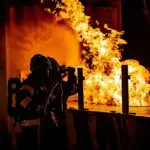
- Fire Outbreak: An uncontrolled fire that spreads rapidly and causes significant damage.
- Road Accident: A collision involving vehicles or pedestrians on a road, often resulting in injuries or fatalities.
- Collapsed Building: The sudden structural failure of a building, leading to its collapse and potential trapping of people.
- Drowning: When a person is submerged in water and unable to breathe, leading to suffocation.
- Flood: An overflow of a large amount of water beyond its normal limits, especially over what is normally dry land.
- Medical Emergency: A sudden illness or injury that requires immediate medical attention, such as a heart attack or severe bleeding.
Teaching Methods/Instructional Techniques
Discussion, Lecture, Demonstration, Question and Answer, Visual Aids
Instructional Procedures
Step 1: Introduction
Time: 5 minutes
Teaching Skill: Set Induction
Teacher’s Activity: The teacher greets the pupils and asks them if they have ever witnessed or heard about an unexpected dangerous event that required immediate help, like a fire or an accident.
Pupils’ Activity: Pupils respond by sharing their experiences or what they have heard.
Learning Point: Pupils are introduced to the concept of emergencies.
Step 2: Explanation of Emergency Management
Time: 10 minutes
Teaching Skill: Explanation/Definition
Teacher’s Activity: The teacher defines emergency management as the organized effort to prepare for, respond to, and recover from emergencies. The teacher explains its importance in saving lives and property.
Pupils’ Activity: Pupils listen attentively and take notes on the definition of emergency management.
Learning Point: Pupils understand the meaning and purpose of emergency management.
Step 3: Discussion of Examples of Emergencies
Time: 10 minutes
Teaching Skill: Illustration/Discussion
Teacher’s Activity: The teacher displays charts and pictures of various emergencies and discusses each example, such as fire outbreaks, road accidents, collapsed buildings, and drowning. The teacher also asks pupils to identify other emergencies they know.
Pupils’ Activity: Pupils observe the pictures, identify the emergencies, and contribute other examples they are aware of.
Learning Point: Pupils identify and understand common types of emergencies.
Step 4: Identifying Causes and Impacts
Time: 5 minutes
Teaching Skill: Analytical Questioning
Teacher’s Activity: The teacher leads a brief discussion on some common causes of these emergencies (e.g., carelessness for fire, overspeeding for accidents) and their immediate impacts on individuals and the community.
Pupils’ Activity: Pupils discuss possible causes and effects of the identified emergencies.
Learning Point: Pupils understand that emergencies have causes and significant impacts.
Step 5: Basic Safety Measures
Time: 5 minutes
Teaching Skill: Demonstration/Instruction
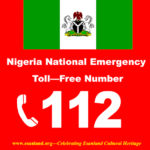
Teacher’s Activity: The teacher briefly explains and demonstrates simple safety measures, such as knowing emergency numbers, having a first aid box, and not playing with fire or near open water.
Pupils’ Activity: Pupils observe, listen, and ask questions about the safety measures.
Learning Point: Pupils learn basic safety measures to prevent or respond to emergencies.
Step 6: Role of Individuals and Community
Time: 5 minutes
Teaching Skill: Collaborative Learning
Teacher’s Activity: The teacher discusses how individuals and communities can work together to manage emergencies, emphasizing prompt reporting and helping victims where safe.
Pupils’ Activity: Pupils discuss their roles and the community’s role in emergency management.
Learning Point: Pupils recognize the importance of collective effort in emergency response.
Step 7: Evaluation/Review
Time: 5 minutes
Teaching Skill: Questioning/Assessment
Teacher’s Activity: The teacher evaluates the learning by asking the following questions:
- What is emergency management?
- Mention three examples of emergencies.
- State one importance of emergency management.
- Suggest one way to prevent a fire outbreak.
Pupils’ Activity: Pupils answer orally and in writing.
Learning Point: Pupils demonstrate understanding of the lesson.
Step 8: Conclusion
Time: 5 minutes
Teaching Skill: Summarization
Teacher’s Activity: The teacher summarizes the lesson by reiterating the definition of emergency management and the importance of preparedness. The teacher assigns homework: “List five emergency numbers in Nigeria and what each is for.”
Pupils’ Activity: Pupils listen to the summary and copy the homework.
Learning Point: The lesson is concluded, and pupils are given an activity to reinforce learning.
Lesson Keywords
- Emergency – A serious, unexpected, and often dangerous situation requiring immediate action.
- Management – The process of dealing with or controlling things or people.
- Fire Outbreak – An uncontrolled and destructive fire.
- Road Accident – A collision involving vehicles on a road.
- Drowning – To die through submersion in water.
Differentiation
For pupils who grasp concepts quickly, the teacher can ask them to explain specific emergency procedures or research local emergency services. For pupils needing more support, the teacher can provide simplified definitions and more visual aids, focusing on just one or two types of emergencies.
Note for teachers using this lesson plan
Teachers should emphasize practical examples relevant to the pupils’ local environment. Encourage an interactive session where pupils share their experiences and ideas. It is important to stress that while prompt response is good, personal safety is paramount, and pupils should not put themselves in danger.


Community Join the conversation Open discussion +