

Class: Junior Secondary School 2 (JSS2, JSS 2)
Term: 2nd Term
Week: 5
Age: 13 years
Duration: 45 minutes
Subject: National Values Education
Curriculum Theme: Social Studies
Previous Lesson: Types of Hard Drugs
Topic: Forms Of Drug Abuse
Subject Matter: Different ways people abuse drugs. Use of hard drug, self-medication, overdose, use of fake drugs, etc..
Specific Objectives
By the end of the lesson, pupils should be able to:
- Cognitive Domain:
(a) Explain the meaning of drug abuse.
(b) Identify common forms of drug abuse. - Affective Domain:
(a) Show willingness to avoid drug misuse.
(b) Demonstrate negative attitude towards hard drugs. - Psychomotor Domain:
(a) Classify drugs correctly based on use.
(b) Interpret warning labels on drug packages. - Social Domain:
(a) Collaborate in groups to discuss ways to resist drug pressure.
(b) Share ideas on promoting a drug-free community.
Reference Materials
The following resources were used in planning this lesson:
- 9 Years Basic Education Curriculum
- Lagos State Unified Scheme of Work for Junior Secondary Schools
- NIH – “Drug Misuse and Addiction” (https://nida.nih.gov/publications/drugfacts/understanding-drug-use-addiction)
- Relevant Textbooks
Instructional Materials
- Drug samples (empty packs)
- Charts showing drug types
- Pictures of drug misuse
- Whiteboard and markers
- First-aid box
Rationale for the Lesson
Pupils need to understand drug misuse to avoid harmful behaviours and protect their health.
Prerequisite/Previous Knowledge
Pupils have basic knowledge of medicines and have seen adults use drugs at home or at hospitals.
Lesson Content/Board Summary
Lesson Content
Forms of Drug Abuse
Meaning of Drug Abuse
Drug abuse is the wrong or improper use of drugs without following medical instructions. It includes taking drugs in harmful ways.
The following are forms of drug abuse:
- Using drugs without prescription.
- Taking drugs in excessive quantity.
- Using hard drugs for pleasure.
- Taking fake or expired drugs.
Use of Hard Drugs
Hard drugs are dangerous substances that affect the brain and behaviour. They are often taken for pleasure or to feel high.
Examples include:
- Cocaine
- Marijuana
- Heroin
- Tramadol (when misused)
Self-Medication
Self-medication is taking drugs without consulting a qualified health worker.
The following are common cases of self-medication:
- Using antibiotics without prescription
- Taking painkillers for every minor discomfort
- Using herbal mixtures without guidance
Drug Overdose
Drug overdose occurs when a person takes more than the recommended amount of a drug.
The following are results of overdose:
- Organ damage
- Unconsciousness
- Death
Use of Fake Drugs
Fake drugs are drugs that are not original, expired, or poorly made.
The following are dangers of fake drugs:
- Treatment failure
- Severe illness
- Poisoning
Teaching Methods/Instructional Techniques
Discussion, Explanation, Storytelling, Demonstration, Group Work, Questioning
Instructional Procedures
To deliver this lesson, the teacher will adopt the following steps:
Step 1: Introduction
Time: 5 minutes
Teaching Skill: Set Induction
Teacher’s Activity: Tells a short story of someone who misused drugs and asks pupils what they think happened.
Pupils’ Activity: Respond and share ideas.
Learning Point: Pupils become curious about drug abuse.
Step 2: Meaning of Drug Abuse
Time: 7 minutes
Teaching Skill: Explanation
Teacher’s Activity: Defines drug abuse and explains basic forms.
Pupils’ Activity: Listen and ask questions.
Learning Point: Pupils understand drug abuse.
Step 3: Forms of Drug Abuse
Time: 10 minutes
Teaching Skill: Demonstration
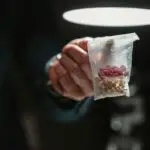
Teacher’s Activity: Shows drug packs and explains self-medication, overdose, hard drugs, fake drugs.
Pupils’ Activity: Observe and participate.
Learning Point: Pupils identify types of drug abuse.
Step 4: Dangers of Drug Abuse
Time: 8 minutes
Teaching Skill: Discussion
Teacher’s Activity: Discusses effects such as sickness, addiction, and death.
Pupils’ Activity: Contribute examples.
Learning Point: Pupils understand consequences.
Step 5: Note-Taking
Time: 5 minutes
Teaching Skill: Guidance
Teacher’s Activity: Guides pupils to copy the board summary.
Pupils’ Activity: Copy notes.
Learning Point: Pupils retain key points.
Step 6: Evaluation/Review
Time: 5 minutes
Teaching Skill: Assessment
Teacher’s Activity: The teacher evaluates the learning by asking the following questions:
- What is drug abuse?
- Mention two forms of drug abuse.
- Give two examples of hard drugs.
- State one danger of drug overdose.
Pupils’ Activity: Answer the questions.
Learning Point: Teacher checks understanding.
Step 7: Conclusion
Time: 5 minutes
Teaching Skill: Reinforcement
Teacher’s Activity: Summarises lesson and encourages pupils to avoid drug misuse.
Pupils’ Activity: Listen.
Learning Point: Pupils value healthy drug habits.
Lesson Keywords
- Drug abuse – Wrong use of drugs
- Self-medication – Taking drugs without medical advice
- Overdose – Taking more than recommended
- Hard drugs – Dangerous substances affecting the brain
- Fake drugs – Drugs that are not original or effective
Differentiation
Provide simplified notes for slow learners, allow peer support, and offer extended tasks for advanced learners.
Note for Teachers Using This Lesson Plan
Use real-life examples, encourage questions, and emphasise safe drug habits.

Community Join the conversation Open discussion +