

Class: Primary Six
term: First Term
Subject: National Values Education
Curriculum theme: Security Education
Previous Lesson: Precautions To Take In Personal Security
Topic: Personal Security Measures
Content/Learning Area: Measures to Take on Personal Security
Time Allocation: 40 minutes
Performance Objectives
By the end of the lesson, pupils should be able to:
- Cognitive Domain: Identify at least five measures to take on personal security to secure themselves against danger on personal grounds.
- Affective Domain: Express the importance of being conscious of personal security.
- Psychomotor Domain: Demonstrate how to apply at least one measure for personal safety.
- Social Domain: Share precautionary measures with their peers to enhance collective security.
Reference materials
- 9 – Years Basic Education Curriculum
- Abuja Educational Resource Center Scheme of work
- NAPPS National Unified Scheme of Work
- Online Details from SGA security – Personal security measures you should not ignore
- Relevant Textbooks
Instructional Materials
To deliver this lesson, the teacher will employ the help of the following materials:
- Flashcards
- Posters showing common security symbols
- Safety-related videos
- Diagrams demonstrating precautionary measures
- Real-life examples or scenarios
Rationale for the Lesson
this lesson is crucial for equipping pupils with practical skills to stay safe. Understanding personal security measures empowers them to make informed decisions and protect themselves from potential harm, both now and in the future.
Prerequisite/Previous Knowledge
The teacher will begin by asking pupils what they remember about personal security from the previous lesson. This will activate prior knowledge and create a smooth transition into the new topic.
Lesson Content
Measures To Take On Personal Security
We need to take certain precautions to keep ourselves safe. This means that we must always be alert and careful in public and at home. The following are measures you can take to secure yourself against danger:
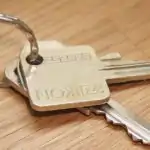
- Lock doors and windows – Always lock yoru doors and windows, whether at home or in public places, to prevent unauthorized entry.
- Stay alert in public – Always be aware of your surroundings when in public spaces. Avoid distractions like using phones in unsafe areas.
- Avoid talking to strangers – Never share personal information with strangers and avoid talking to unknown people when alone.
- Stay in well-lit areas – If you need to move around in the evening, always stay in well-lit areas to avoid hidden dangers.
- Keep an emergency contact list – Have a list of emergency contacts that you can quickly reach out to in case of any danger.
Teaching Methods
To deliver this lesson, the teacher will adopt the following methods: Discussion, Explanation, Presentation, Activity, and Summary.
Instructional Procedures
To deliver this lesson, the teacher will adopt the following steps:
Step 1: Introduction
Time: 5 mins
Teaching Skill: Set Induction
Teacher’s Activity: Ask: “What did we learn about keeping safe?”
Pupils’ Activity: Pupils respond with ideas from the previous lesson
Learning Point: Reinforces previous knowledge of security
Step 2: Explanation of Key Concepts
Time: 10 mins
Teaching Skill: Explanation
Teacher’s Activity: explain each precautionary measure, showing posters.Pupils’ Activity: Pupils listen and observe posters
Learning Point: Pupils learn 5 key measures for personal security
Step 3: Exhibition/Guided Practice
Time: 5 mins
Teaching Skill: Demonstration
Teacher’s Activity: Demonstrate how to lock doors securely and move safely.
Pupils’ Activity: Pupils observe and mimic the demonstration
learning Point: Practical understanding of safety measures
Step 4: Self-Reliant Practice
time: 7 mins
Teaching Skill: Activity
Teacher’s Activity: Guide pupils in practicing crossing the street safely.
Pupils’ Activity: Pupils participate in role-playing
Learning Point: Hands-on practice of safety
Step 5: Note-Taking
Time: 5 mins
Teaching Skill: Discussion
Teacher’s Activity: Led a discussion on how to avoid risky situations in public.
Pupils’ Activity: Pupils discuss in pairs and share thoughts
Learning Point: Importance of staying alert for safety
Step 6: Evaluation/Review
Time: 3 mins
Teaching Skill: Summary
Teacher’s Activity: Summarize the five measures learned in the lesson.
Pupils’ Activity: Pupils recall and list the five measures
Learning Point: Reinforces learning for retention
Objective-aligned checks:
- Identify at least five measures to take on personal security to secure themselves against danger on personal grounds.
- Demonstrate how to apply at least one measure for personal safety.
Step 7: Conclusion
Time: 5 mins
teaching Skill: Evaluation
Teacher’s Activity: Ask targeted questions to assess knowledge of personal security measures.
Pupils’ Activity: Pupils answer questions orally
Learning Point: Tests pupils’ understanding of key concepts
Lesson Keywords
- security – Measures taken to protect against harm or danger.
- Precaution – action taken in advance to prevent something dangerous or unpleasant from happening.
- Alertness – The state of being watchful and swift to notice any potential danger.
- Emergency Contact – A person to contact in case of an emergency.
- Surroundings – The objects and conditions that exist in a place.
Lesson Evaluation
To evaluate the learning, the teacher asks pupils to:
- Mention two precautionary measures you should take when in public.
- How can locking doors help improve personal security?
- Why is it vital to stay in well-lit areas at night?
- What should you do if a stranger approaches you?
- Why should you always stay alert in public places?
Assignment/Homework
- list three emergency contact numbers you should have.
- Describe a situation where staying alert helped you avoid danger.
- Write down five safety rules to follow at home.
Differentiation
- For slower learners: Provide one-on-one assistance and use simpler language.
- For advanced learners: Advanced pupils can research additional safety measures and present their findings to the class.
- For visual/auditory/kinesthetic learners: Use visual aids, auditory instructions, and hands-on activities to cater to different learning styles.
Note for Teachers
Encourage pupils to share personal experiences related to safety to make the lesson more engaging and relevant.Emphasize the importance of practicing thes measures regularly to ensure their personal safety.
Community Join the conversation Open discussion +