

Class: Senior Secondary School 1 (SS1 / SSS 1)
Term: 1st Term
Week: 1
Age: 15 years
Duration: 45 minutes
Subject: Tourism
Curriculum Theme: Trade
Previous Lesson: .
Topic: Introduction to Tourism
Subject Matter: Basic concepts in tourism, Leisure, Play and recreation, Types of recreation, Communal or solitary recreation, Active or passive recreation, Indoor or outdoor recreation, Healthy useful or harmful recreation
Specific Objectives
By the end of the lesson, pupils should be able to:
Cognitive Domain:
- Define tourism, leisure, play, and recreation.
- List and explain various types of recreation.
- Differentiate between healthy, useful, and harmful recreation.
Affective Domain:
- Appreciate the importance of leisure and recreation for personal well-being.
- Participate in healthy recreational activities.
Psychomotor Domain:
- Identify different forms of recreation in their community.
- Categorize recreational activities based on their characteristics.
Social Domain:
- Collaborate with peers to discuss and identify different recreational activities.
Reference Materials
The following resources were used in planning this lesson:
- 9 Years Basic Education Curriculum for Senior Secondary Schools (Tourism).
- State Unified Scheme of Work for Senior Secondary Schools.
- Tourism for Senior Secondary Schools by a reputable Nigerian author.
- Nigerian Educational Research and Development Council (NERDC) publications.
Instructional Materials
The teacher will teach this lesson with the aid of:
- Pictures showing various leisure and recreational activities.
- Charts illustrating different types of recreation.
- Videos demonstrating various forms of leisure and recreation.
- Whiteboard/Chalkboard and markers/chalk.
Rationale for the Lesson
This lesson helps pupils understand the basic ideas of tourism, leisure, and recreation. It enables them to recognize how these activities contribute to personal well-being and allows them to distinguish between different types of recreation, including those that are beneficial and those that can be harmful.
Prerequisite/Previous Knowledge
Pupils may have a general idea of what travelling and relaxing mean from their personal experiences.
Lesson Content/Board Summary
Introduction to Tourism
Basic Concepts in Tourism
Tourism: This is the activity of travelling to and staying in places outside one’s usual environment for not more than one consecutive year for leisure, business, or other purposes.
Tourist: A tourist is a person who travels for tourism.
Destination: This refers to the place a tourist visits.
Leisure
Leisure is the time when one is not working or performing other duties. It is free time which can be used for relaxation, hobbies, or other enjoyable activities.
Play
Play is a voluntary, intrinsically motivated activity undertaken for enjoyment and recreation. It is often spontaneous and imaginative.
Recreation
Recreation refers to activities that people engage in during their free time for enjoyment and relaxation. It helps to refresh the mind and body.
Types of Recreation
Recreation can be classified based on different criteria:
Communal or Solitary Recreation
- Communal Recreation: Involves group participation and interaction with others.
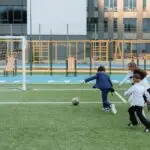
- Examples: Team sports (football, basketball), group dancing, community festivals.
- Solitary Recreation: Activities done alone.
- Examples: Reading, jogging alone, meditation, painting.
Active or Passive Recreation
- Active Recreation: Involves physical exertion and movement.
- Examples: Swimming, cycling, hiking, playing sports.
- Passive Recreation: Involves minimal physical activity, often observational or relaxing.
- Examples: Watching a movie, listening to music, bird watching, sunbathing.
Indoor or Outdoor Recreation
- Indoor Recreation: Activities performed inside a building or enclosed space.
- Examples: Board games, video games, indoor sports (table tennis), reading.
- Outdoor Recreation: Activities performed in open air or natural environments.
- Examples: Picnics, camping, fishing, gardening, nature walks.
Healthy, Useful, or Harmful Recreation
- Healthy/Useful Recreation: Activities that promote physical, mental, and social well-being.
- Examples: Exercise, learning a new skill, volunteering, reading useful books.
- Harmful Recreation: Activities that negatively impact health, safety, or well-being, or are illegal.
- Examples: Drug abuse, excessive gambling, reckless driving, engaging in violent activities.
Teaching Methods/Instructional Techniques
Discussion, Lecture, Demonstration, Question and Answer, Visual Aids
Instructional Procedures
Step 1: Introduction
Time: 5 minutes
Teaching Skill: Set Induction
Teacher’s Activity: The teacher greets the pupils and asks them what they do during their free time or holidays. The teacher also introduces the topic: “Introduction to Tourism.”
Pupils’ Activity: Pupils respond to the teacher’s questions and listen attentively.
Learning Point: Pupils are engaged and introduced to the topic.
Step 2: Basic Concepts in Tourism
Time: 7 minutes
Teaching Skill: Explanation/Definition
Teacher’s Activity: The teacher defines tourism, tourist, and destination, explaining each concept clearly and providing simple examples.
Pupils’ Activity: Pupils listen, take notes, and ask questions for clarification.
Learning Point: Pupils understand the fundamental terms related to tourism.
Step 3: Leisure and Play
Time: 7 minutes
Teaching Skill: Explanation/Illustration
Teacher’s Activity: The teacher defines leisure and play, using real-life examples that pupils can relate to. The teacher may show pictures of people engaged in leisure and play activities.
Pupils’ Activity: Pupils identify and discuss various leisure and play activities they engage in.
Learning Point: Pupils can define and identify examples of leisure and play.
Step 4: Recreation and its General Importance
Time: 7 minutes
Teaching Skill: Explanation/Discussion
Teacher’s Activity: The teacher defines recreation, emphasizing its role in refreshing the mind and body. The teacher leads a brief discussion on why recreation is important.
Pupils’ Activity: Pupils contribute to the discussion and note down the definition and importance of recreation.
Learning Point: Pupils understand the meaning and benefits of recreation.
Step 5: Types of Recreation (Communal/Solitary, Active/Passive)
Time: 7 minutes
Teaching Skill: Classification/Differentiation
Teacher’s Activity: The teacher explains communal and solitary recreation, providing examples for each. The teacher then explains active and passive recreation, differentiating between them with examples.
Pupils’ Activity: Pupils listen, ask questions, and suggest more examples for each type.
Learning Point: Pupils can differentiate between communal/solitary and active/passive recreation.
Step 6: Types of Recreation (Indoor/Outdoor, Healthy/Harmful)
Time: 5 minutes
Teaching Skill: Classification/Analysis
Teacher’s Activity: The teacher explains indoor and outdoor recreation, giving examples. The teacher then discusses healthy/useful recreation versus harmful recreation, highlighting the implications of harmful activities.
Pupils’ Activity: Pupils identify various indoor/outdoor activities and categorize recreational activities as healthy or harmful.
Learning Point: Pupils understand different settings for recreation and the distinction between beneficial and detrimental recreational choices.
Step 7: Evaluation/Review
Time: 5 minutes
Teaching Skill: Questioning/Assessment
Teacher’s Activity: The teacher evaluates the learning by asking the following questions:
- Define tourism.
- Differentiate between leisure and recreation.
- State two examples of communal recreation.
- Mention two differences between active and passive recreation.
- Give two examples of harmful recreation.
Pupils’ Activity: Pupils answer orally and in writing.
Learning Point: Pupils demonstrate understanding of the lesson.
Step 8: Conclusion
Time: 2 minutes
Teaching Skill: Summarization/Assignment
Teacher’s Activity: The teacher summarizes the key points of the lesson and assigns homework: “List five recreational activities you engage in and classify them according to the types discussed in class.”
Pupils’ Activity: Pupils listen to the summary and copy the homework.
Learning Point: The lesson is reinforced, and pupils are given an opportunity for independent practice.
Lesson Keywords
- Tourism – Travelling to and staying in places outside one’s usual environment for leisure or other purposes.
- Leisure – Free time when one is not working or performing duties.
- Play – Voluntary activity for enjoyment and recreation, often spontaneous.
- Recreation – Activities done during free time for enjoyment and relaxation.
- Communal Recreation – Activities done in groups.
- Solitary Recreation – Activities done alone.
- Active Recreation – Activities involving physical exertion.
- Passive Recreation – Activities involving minimal physical activity.
- Harmful Recreation – Activities that negatively impact health or well-being.
Differentiation
For pupils who grasp concepts quickly, the teacher can ask them to research local tourist attractions or unique recreational activities in their community. For pupils who need more support, the teacher can provide simplified definitions and more visual aids, or pair them with peers for collaborative learning and discussion.
Note for teachers using this lesson plan
Teachers should encourage pupils to share their personal experiences with leisure and recreation to make the lesson more relatable. Emphasize the importance of choosing healthy and safe recreational activities. Practical examples and visual demonstrations will greatly enhance understanding.
Community Join the conversation Open discussion +