

Class: Senior Secondary School 2 (SS2 / SSS 2)
Term: Second Term
Week: 1
Age: 16 years
Duration: 45 minutes
Subject: Biology
Curriculum Theme: Environmental Biology / Ecology
Previous Lesson: .
Topic: CONSERVATION OF NATURAL RESOURCES
Subject Matter: Definition of conservation, needs or importance of conservation, methods or ways of conserving natural resources, agencies responsible for conservation, problems associated with conservation.
Specific Objectives
By the end of the lesson, pupils should be able to:
Cognitive Domain:
- Define natural resources and conservation.
- State the importance of conserving natural resources.
- List various methods of conserving natural resources.
- Identify agencies responsible for conservation efforts.
Affective Domain:
- Appreciate the need for conservation in their daily lives.
- Discuss the problems associated with conservation in Nigeria.
Psychomotor Domain:
- Propose practical solutions to conservation problems.
- Participate in activities that promote conservation.
Social Domain:
- Collaborate with peers to suggest ways of protecting the environment.
- Advocate for sustainable use of natural resources.
Reference Materials
The following resources were used in planning this lesson:
- Senior Secondary Schools Education Curriculum
- State Unified Scheme of Work
- Modern Biology for Senior Secondary Schools
- https://www.nigeria.gov.ng/conservation-and-environment/
- https://www.nesrea.gov.ng/
Instructional Materials
The teacher will teach this lesson with the aid of:
- Biology Textbook
- Posters showing examples of natural resources and conservation methods
- A document outlining conservation laws or policies.
Rationale for the Lesson
This lesson helps pupils understand the value of natural resources and the importance of protecting them for future generations. It enables pupils to identify practical ways to contribute to environmental sustainability in their communities and the nation.
Prerequisite/Previous Knowledge
Pupils have prior knowledge of different types of natural resources and their uses from previous studies in Basic Science.
Lesson Content/Board Summary
Conservation of Natural Resources
Definition of Natural Resources
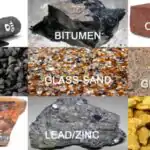
Natural resources are materials or substances occurring in nature which can be exploited for economic gain. Examples include air, water, soil, forests, minerals, and wildlife.
Definition of Conservation
Conservation is the wise management and protection of natural resources and the environment to ensure their availability for present and future generations. It involves using resources sustainably and preventing their degradation or depletion.
Importance/Needs of Conservation
The following are reasons why conservation is important:
- Ensures the availability of resources for future generations.
- Maintains ecological balance and biodiversity.
- Prevents environmental degradation such as pollution and deforestation.
- Supports economic development through sustainable use.
- Preserves natural habitats for wildlife.
- Mitigates climate change effects.
Methods of Conserving Natural Resources
The following are common methods of conservation:
- Legislation: Enacting and enforcing laws to protect resources (e.g., anti-poaching laws, environmental protection acts).
- Education: Creating awareness among the public about the importance of conservation and sustainable practices.
- Establishment of Parks and Reserves: Setting aside protected areas for wildlife and natural habitats (e.g., national parks, game reserves).
- Afforestation and Reforestation: Planting new trees and replacing felled ones to restore forest cover.
- Recycling: Reusing materials like plastic, paper, and metal to reduce waste and demand for new resources.
- Population Control: Managing human population growth to reduce pressure on resources.
- Sustainable Use: Utilizing resources at a rate that allows them to replenish naturally.
- Pollution Control: Implementing measures to reduce air, water, and soil pollution.
Agencies Responsible for Conservation
The following are some agencies responsible for conservation:
- Nigerian Environmental Standards and Regulations Enforcement Agency (NESREA)
- Forestry Departments (State and Federal)
- National Parks Service
- Environmental Protection Agencies (State EPAs)
- Non-Governmental Organizations (NGOs) focused on conservation.
Problems Associated with Conservation
The following are challenges faced in conservation efforts:
- Lack of public awareness and education.
- Inadequate funding for conservation projects.
- Weak enforcement of environmental laws.
- High population growth leading to increased resource demand.
- Poverty, which often drives illegal resource exploitation.
- Corruption among officials.
- Illegal mining, logging, and poaching.
- Climate change and natural disasters.
Teaching Methods/Instructional Techniques
Discussion, Lecture, Demonstration, Question and Answer, Visual Aids
Instructional Procedures
Step 1: Introduction
Time: 5 minutes
Teaching Skill: Set Induction
Teacher’s Activity: The teacher greets the pupils and asks them to name some resources found in their local environment and how they are used. The teacher then introduces the topic, “Conservation of Natural Resources.”
Pupils’ Activity: Pupils respond by naming resources like trees, water, and land, and briefly explain their uses.
Learning Point: Pupils recall prior knowledge of natural resources and are introduced to the lesson topic.
Step 2: Definition of Conservation
Time: 8 minutes
Teaching Skill: Explanation/Definition
Teacher’s Activity: The teacher defines natural resources and conservation, explaining the importance of managing resources wisely. The teacher passes around a document outlining conservation laws or policies.
Pupils’ Activity: Pupils listen attentively, take notes, and study the provided conservation document.
Learning Point: Pupils understand the definitions of natural resources and conservation.
Step 3: Needs/Importance of Conservation
Time: 7 minutes
Teaching Skill: Discussion/Elucidation
Teacher’s Activity: The teacher discusses with pupils the various reasons why conservation is important, highlighting its benefits for the environment and future generations.
Pupils’ Activity: Pupils contribute to the discussion by stating points on the importance of conservation and noting them down.
Learning Point: Pupils comprehend the significance of conserving natural resources.
Step 4: Methods of Conservation
Time: 8 minutes
Teaching Skill: Listing/Explanation
Teacher’s Activity: The teacher explains different methods of conserving natural resources, such as legislation, education, afforestation, recycling, and the establishment of parks and reserves.
Pupils’ Activity: Pupils identify and list various methods of conservation as explained by the teacher.
Learning Point: Pupils learn practical ways to conserve natural resources.
Step 5: Agencies Responsible for Conservation
Time: 5 minutes
Teaching Skill: Information Giving
Teacher’s Activity: The teacher names and briefly explains the roles of various agencies responsible for conservation efforts in Nigeria.
Pupils’ Activity: Pupils listen and note down the names and functions of conservation agencies.
Learning Point: Pupils identify key organizations involved in conservation.
Step 6: Problems Associated with Conservation
Time: 7 minutes
Teaching Skill: Problem-Solving/Discussion
Teacher’s Activity: The teacher guides pupils to discuss the challenges and problems associated with conservation efforts in Nigeria, such as lack of funding, weak enforcement, and population pressure. The teacher also guides pupils to proffer solutions to these problems.
Pupils’ Activity: Pupils suggest solutions to the identified conservation problems.
Learning Point: Pupils understand the obstacles to conservation and think critically about solutions.
Step 7: Evaluation/Review
Time: 5 minutes
Teaching Skill: Questioning/Assessment
Teacher’s Activity: The teacher evaluates the learning by asking the following questions:
- What is conservation?
- State three reasons why natural resources should be conserved.
- Mention two methods of conserving natural resources.
- List two problems associated with conservation efforts in Nigeria.
Pupils’ Activity: Pupils answer orally and in writing.
Learning Point: Pupils demonstrate understanding of the lesson.
Step 8: Conclusion
Time: 3 minutes
Teaching Skill: Summarization/Assignment
Teacher’s Activity: The teacher briefly summarizes the key points of the lesson and assigns homework: “Suggest three ways your community can actively participate in conserving natural resources.”
Pupils’ Activity: Pupils listen to the summary and copy the homework.
Learning Point: Pupils consolidate their learning and prepare for further engagement with the topic.
Lesson Keywords
- Conservation – The protection of animals, plants, and natural resources.
- Natural Resources – Materials such as minerals, forests, water, and fertile land that occur in nature and can be used for economic gain.
- Legislation – Laws enacted by a legislative body.
- Afforestation – The process of planting trees in an area that has not been a forest before.
- Reforestation – The process of replanting an area with trees.
Differentiation
The teacher will provide additional support to struggling learners by offering simplified explanations and more examples. Advanced learners will be encouraged to research specific conservation projects in Nigeria and present their findings.
Note for teachers using this lesson plan
Teachers should ensure to use relevant local examples of natural resources and conservation efforts or challenges to make the lesson more relatable to pupils. Encourage active participation and critical thinking throughout the lesson.

Community Join the conversation Open discussion +