

Class: Primary Two
Term: second Term
Subject: History
Curriculum Theme:
Previous Lesson: Geography and Environment, Major Towns in the State
Topic: Geography and Environment: Major Towns in the State
Content/Learning Area: Identifying major towns, appreciating the significance of major towns, group discussions about major towns
Time Allocation: 40 minutes
Performance Objectives
By the end of the lesson, pupils should be able to:
- Cognitive Domain:
1. Identify and name three major towns in the state.
2. Explain the importance of major towns.
- Affective Domain:
1. Show appreciation for the significance of major towns.
2. Develop a sense of belonging to their state.
- Psychomotor Domain:
1. Participate actively in group discussions.
2. Use a map to locate major towns.
- Social Domain:
1. Work collaboratively in groups.
2. Share details respectfully with peers.
Reference Materials
- 9 – Years Basic Education Curriculum
- Abuja Educational Resource Centre Scheme of Work
- NAPPS National Unified Scheme of work
- Relevant Textbooks
Instructional Materials
To deliver this lesson, the teacher will use the following materials:
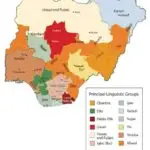
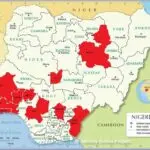
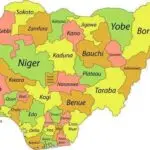
- A map of the state
- Pictures of major towns
- Chart paper
- Markers
Rationale for the Lesson
Understanding the geography of their state helps pupils develop a sense of place and belonging.Knowing about major towns provides context for future learning about history, culture, and civic engagement.
Prerequisite/Previous Knowledge
The teacher will start by asking pupils what they know about their state and where they live. A brief discussion about familiar places will lead into the lesson on major towns.
Lesson Content
Major Towns in the State
A town is a place where people live, work, and play, usually smaller than a city. Towns have schools, hospitals, markets, and places of worship.
Features of a Town
Towns have distinct features that make them functional and recognizable. These include:
- Schools: Places where children learn.
- Hospitals: Places where people receive medical care.
- Markets: Places where people buy and sell goods.
- Places of worship: Places where people practice their religion.
- Residential Areas: Areas where people live in houses or apartments.
- Commercial Centers: Areas with shops,offices,and businesses.
- transportation Hubs: Bus stations, train stations, or airports that connect the town to other places.
Examples of Major Towns
Major towns play significant roles in the economy,culture,and administration of a state or country. Examples are:
- Abuja (federal Capital Territory): Nigeria’s capital city, home to government buildings and a major business center.
- Kaduna (Kaduna State): A major city in northern Nigeria,known for its industries and transportation.
- Benin City (Edo State): The capital of Edo State,a past city with a rich cultural heritage.
- abeokuta (Ogun State): A city known for its historic sites, including Olumo rock, and its role in agriculture and commerce.
- Calabar (Cross River State): A city in southeastern Nigeria,known for its beaches,history,and culture,and a major tourism destination.
- Kano (Kano State): A major commercial and agricultural center in northern nigeria, known for its historic walls and markets.
- Ibadan (Oyo state): One of the largest cities in Nigeria, known for its universities, industries, and cultural heritage.
Teaching Methods
To deliver this lesson, the teacher will adopt the following methods: Discussion, Group work, Question and answer
instructional Procedures
To deliver this lesson, the teacher will adopt the following steps:
Step 1: Introduction (Set Induction)
Time: 5 minutes
Teaching Skill: Questioning
Teacher’s Activity: Asks pupils what they know about their state and introduces the topic of major towns.
Pupils’ Activity: Respond to teacher’s questions and share their prior knowledge.
Step 2: Description of Key Concepts
Time: 10 minutes
Teaching Skill: Explanation
Teacher’s Activity: Explains the definition of a town and its key features using examples.
Pupils’ Activity: Listen attentively and ask clarifying questions.
Step 3: Map Exhibition
Time: 10 minutes
Teaching Skill: Demonstration
Teacher’s Activity: Shows a map of the state and points out major towns, explaining their significance.
Pupils’ activity: Observe the map and listen to the teacher’s explanation.
Step 4: Group Research and Discussion
Time: 10 minutes
Teaching skill: Group work
Teacher’s Activity: Divides pupils into groups and assigns them tasks to research and discuss major towns.
Pupils’ Activity: Work collaboratively in groups to research and discuss major towns.
Step 5: Note-Taking
Time: 2 minutes
Teaching Skill: Note-taking
Teacher’s Activity: Guides pupils in taking notes on key information about major towns.Pupils’ Activity: Take notes on key information.
Step 6: Evaluation/Review
Time: 3 minutes
Teaching Skill: Questioning
Teacher’s Activity: Asks review questions to assess pupils’ understanding.
Pupils’ Activity: Answer review questions.
Objective-aligned checks:
- Identify and name three major towns in the state.
- Explain the importance of major towns.
- Show appreciation for the significance of major towns.
Step 7: Conclusion
Time: 2 minutes
Teaching Skill: Summarizing
Teacher’s Activity: Summarizes the key points about major towns and their importance.
Pupils’ Activity: listen to the summary and ask any remaining questions.
Lesson Keywords
- Town – A place where people live, work, and play, usually smaller than a city.
- State – A region or area within a country,often with its own government.
- capital – The most important city or town of a country or region, usually its seat of government.
- Feature – A distinct attribute or characteristic of something.
- Significance – The quality of being important or having notable value.
Lesson Evaluation
To evaluate the learning, the teacher asks pupils to:
- Name three major towns in our state.
- What are some important features found in most towns?
- Why is Abuja important to Nigeria?
- What makes Benin City historically notable?
- Describe one interesting fact about a major town you learned about today.
assignment/Homework
- Draw a map of your state and label three major towns.
- Write a short paragraph about your favorite town in the state and why you like it.
- research and list three features that make your town critically important.
Differentiation
- For slower learners: Provide one-on-one assistance and simplified explanations.
- For advanced learners: Encourage them to research additional information about major towns and present their findings to the class.
- For visual/auditory/kinesthetic learners: Use visual aids like maps and pictures, encourage verbal participation, and incorporate hands-on activities like drawing maps.
Note for Teachers
Encourage pupils to share personal experiences related to the towns discussed to make the lesson more engaging. Use local examples to enhance understanding and relevance.

Community Join the conversation Open discussion +