

Class: Primary Four
Term: First Term
Subject: basic Science and Technology
Curriculum Theme: Computer Studies
Previous Lesson:
Topic: Output Devices
Content/learning Area: Defining output devices, Listing output devices, Drawing output devices
Time Allocation: 40 minutes
Performance Objectives
By the end of the lesson, pupils should be able to:
- Cognitive Domain:
1. Define output devices.
2. List examples of output devices.
3. Explain the function of different output devices.
- Psychomotor Domain:
1.Draw diagrams of different output devices.
- Affective Domain:
1. Show interest in learning about computer output devices.2. Participate actively in class discussions.
- Social Domain:
1. Work cooperatively with peers during activities.
Reference Materials
- 9 – Years Basic Education Curriculum
- Abuja Educational Resource Center Scheme of Work
- NAPPS National Unified Scheme of work
- Online Details
- Relevant Textbooks
Instructional Materials
To deliver this lesson, the teacher will use the following materials:
- Whiteboard or chart paper
- Markers or crayons
- Pictures or diagrams of output devices
- A computer (optional)
Rationale for the Lesson
Understanding output devices is crucial for pupils to grasp the basic functionality of computers. This knowledge forms a foundation for future learning in computer studies and technology.
Prerequisite/Previous Knowledge
The teacher will start by asking pupils what they already know about computers. The teacher will then introduce the concept of output devices as the tools that allow us to see, hear, or receive information from computers.
Lesson Content
Output Devices
Output devices are tools that let us see, hear, or get information from computers. They help us use the information a computer processes.
Examples of Output Devices
Output devices are essential for users to interact with computers. These include:
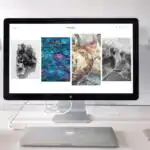
- Monitor: A monitor is like a TV for your computer. It shows text, pictures, and videos.
- Printer: A printer makes paper copies of documents and pictures.
- Speaker: Speakers let you hear sounds from your computer, like music or videos.
- Projector: A projector shows images and videos on a big screen, ofen used for presentations.
- Headphones: Headphones allow you to listen to audio privately from a computer or other device.
- Plotter: A plotter is used to print large-format designs, such as architectural blueprints and engineering drawings.
Output Devices and the Information They Present
An output device presents processed information. A monitor shows visual output, a printer produces hard copy, speakers produce sound, a projector enlarges an image and a Braille display presents tactile output for a user who reads Braille.
Some devices can have more than one role: a touchscreen displays output and also receives touch input. Pupils should name both the device and the form of output.
Teaching Methods
To deliver this lesson, the teacher will adopt the following methods: Discussion, Exhibition, Question and answer, Drawing
instructional Procedures
To deliver this lesson, the teacher will adopt the following steps:
Step 1: Introduction
Time: 5 minutes
Teaching Skill: Set Induction
Teacher’s Activity: Asks pupils what they know about computers and introduces the topic of output devices.
Pupils’ Activity: Respond to teacher’s questions and listen attentively.
step 2: Explanation of Key Concepts
Time: 10 minutes
teaching Skill: Explaining
Teacher’s Activity: Explains the definition and function of output devices using simple language and examples.
Pupils’ Activity: Listen attentively and ask clarifying questions.
Step 3: Demonstration/Guided practice
Time: 10 minutes
Teaching Skill: Demonstrating
Teacher’s Activity: Shows pictures or diagrams of different output devices and explains their functions.Pupils’ Activity: Observe the demonstration and participate in discussions.
Step 4: autonomous Practice
Time: 5 minutes
Teaching Skill: Guiding
Teacher’s Activity: Guides pupils in drawing different output devices.
Pupils’ Activity: Draw diagrams of output devices.
Step 5: Note-Taking
Time: 5 minutes
Teaching Skill: Note-taking
Teacher’s Activity: Summarizes key concepts on the board.
Pupils’ Activity: Take notes in their notebooks.
Step 6: evaluation/Review
Time: 5 minutes
Teaching Skill: Questioning
Teacher’s Activity: Asks evaluation questions to assess pupils’ understanding.
Pupils’ Activity: Answer the evaluation questions.
Objective-aligned checks:
- Define output devices.
- List examples of output devices.
- Explain the function of different output devices.
Step 7: Conclusion
Time: 5 minutes
Teaching Skill: Summarizing
Teacher’s Activity: Reviews the key concepts of output devices and assigns homework.
Pupils’ Activity: Listen attentively and note homework assignment.
Lesson keywords
- Output Device – A hardware device that displays, prints, or outputs data generated by a computer.
- Monitor – A visual display unit that shows computer output.
- Printer – A device that produces a hard copy of documents or images.
- Speaker – A device that produces audio output.
- Projector – A device that displays images or video onto a screen.
Lesson Evaluation
To evaluate the learning, the teacher asks pupils to:
- What is an output device?
- Name three output devices and explain what they do.
- Draw a monitor and a printer.
Assignment/Homework
- Research other types of output devices.
- Draw and label three different output devices.
Differentiation
- For slower learners: Provide one-on-one assistance and use simpler language.
- For advanced learners: Encourage them to research additional output devices and present their findings to the class.
- For visual/auditory/kinesthetic learners: Use visual aids, audio explanations, and hands-on activities to cater to different learning styles.
Note for Teachers
Ensure to use real-life examples and visual aids to enhance pupils’ understanding. Encourage active participation and provide constructive feedback.


Community Join the conversation Open discussion +