

Class: Junior Secondary School 1 (JSS1, JSS 1)
Term: 2nd Term
Week: 7
Age: 12 years
Duration: 45 minutes
Subject: National Values Education
Curriculum Theme: Civic Education
Previous Lesson: Benefits of Self-Reliance to Oneself, Family, and Society
Topic: Self-Reliance (Part 6)
Subject Matter: Understanding that the wealth of a nation is in its natural and human resources.
Specific Objectives
By the end of the lesson, pupils should be able to:
- Cognitive Domain:
(a) Identify natural and human resources found in Nigeria.
(b) Explain how natural and human resources contribute to national wealth. - Affective Domain:
(a) Appreciate the importance of using Nigeria’s resources wisely and responsibly. - Psychomotor Domain:
(a) Illustrate through drawings or charts examples of natural and human resources. - Social Domain:
(a) Cooperate with others in group discussions on how citizens can help in national development.
Reference Materials
The following resources were used in planning this lesson:
- 9 Years Basic Education Curriculum
- Lagos State Unified Scheme of work for Junior Secondary Schools
- Britannica – “Natural Resources of Nigeria” (https://www.britannica.com/place/Nigeria/Natural-resources)
- Relevant Textbooks
Instructional Materials
The teacher will teach this lesson with the aid of:
- Charts showing pictures of Nigeria’s natural resources (crude oil, cocoa, coal, etc.)
- Pictures of professionals (teachers, doctors, farmers, engineers, etc.)
- Map of Nigeria indicating resource-producing areas
- Flashcards with resource names and uses
- Whiteboard and markers
Rationale for the Lesson
This lesson helps pupils understand that both natural and human resources contribute to the nation’s growth, economic strength, and overall development.
Prerequisite/Previous Knowledge
Pupils are already familiar with the concept of self-reliance and have discussed how individuals can use their skills and abilities to earn a living and support their communities.
Lesson Content/Board Summary
Self-Reliance
Natural And Human Resources
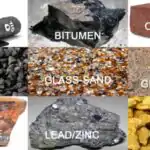
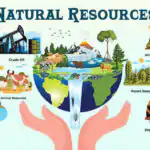
Natural resources are raw materials found in nature which can be used to produce goods and services. They are gifts of nature that can bring wealth to a country if properly managed.
The following are examples of natural resources in Nigeria:
- Crude oil – found in the Niger Delta region.
- Coal – found in Enugu State.
- Tin and columbite – found in Jos Plateau.
- Limestone – found in Ogun and Benue States.
- Cocoa – found in the western part of Nigeria.
- Palm oil – found in the eastern region.
- Cotton and groundnut – found in the northern region.
Natural resources are the foundation of industries and export earnings that make up a large part of the nation’s wealth.
Human Resources and National Development
Human resources refer to the people of a nation who use their talents, skills, knowledge, and labor to produce goods and services. These include workers, professionals, and entrepreneurs who make economic activities possible.
The following are examples of human resources:
- Farmers who grow food and cash crops.
- Teachers who educate and train others.
- Doctors and nurses who provide health care.
- Engineers who design and build infrastructure.
- Traders who distribute goods and services.
- Civil servants and administrators who manage public affairs.
Without human resources, natural resources cannot be used effectively. It is people who discover, extract, and process natural resources for national use.
Relationship Between Natural and Human Resources
Both natural and human resources are connected and depend on each other. Natural resources provide materials, while human resources provide the skill and labor to turn them into wealth.
The following are ways natural and human resources work together:
- Human resources use natural resources to produce goods and services.
- Proper use of both resources leads to industrial and economic growth.
- Misuse or neglect of either leads to poverty and underdevelopment.
- Education and training improve human resources and increase productivity.
Importance of Proper Use of Natural and Human Resources
The proper use of natural and human resources helps a nation to grow, develop, and become self-reliant.
The following are the importance of using resources wisely:
- It promotes national economic growth.
- It creates employment opportunities.
- It reduces dependence on foreign goods.
- It encourages self-reliance and innovation.
- It improves the standard of living.
- It leads to sustainable national development.
Teaching Methods/Instructional Techniques:
Discussion, Lecture, Explanation, Demonstration, Group Work, Question and Answer, Visual Aids
Instructional Procedures
To deliver this lesson, the teacher will adopt the following steps:
Step 1: Introduction
Time: 5 minutes
Teaching Skill: Set Induction
Teacher’s Activity: Teacher reviews the previous lesson on self-reliance and asks pupils how individuals contribute to the nation’s growth.
Pupils’ Activity: Pupils respond with examples of self-reliant actions.
Learning Point: Pupils recall previous knowledge and get ready to learn about resources and national wealth.
Step 2: Natural Resources and National Wealth
Time: 10 minutes
Teaching Skill: Explanation
Teacher’s Activity: Teacher defines natural resources and uses charts to show examples found in Nigeria.
Pupils’ Activity: Pupils observe and mention familiar natural resources.
Learning Point: Pupils understand that natural resources are gifts of nature that bring wealth to a nation.
Step 3: Human Resources and National Development
Time: 10 minutes
Teaching Skill: Discussion
Teacher’s Activity: Teacher explains human resources using examples of different professions.
Pupils’ Activity: Pupils mention the work of people in their community.
Learning Point: Pupils understand that human resources use skills to develop the nation.
Step 4: Relationship Between Natural and Human Resources
Time: 10 minutes
Teaching Skill: Question and Answer
Teacher’s Activity: Teacher explains how human and natural resources depend on each other and asks pupils for examples.
Pupils’ Activity: Pupils give examples of how people use natural resources.
Learning Point: Pupils learn that both resources must be used together for national progress.
Step 5: Note-Taking
Time: 5 minutes
Teaching Skill: Explanation
Teacher’s Activity: Teacher writes the board summary for pupils to copy into their notes.
Pupils’ Activity: Pupils copy the note into their books.
Learning Point: Pupils retain key points on the lesson topic.
Step 6: Evaluation/Review
Time: 3 minutes
Teaching Skill: Questioning
Teacher’s Activity: The teacher evaluates the learning by asking the following questions:
- Give three examples of natural resources in Nigeria.
- Mention three examples of human resources.
- Explain one way natural and human resources work together.
- State two importance of using resources wisely.
Pupils’ Activity: Pupils answer the questions orally.
Learning Point: Pupils demonstrate understanding of the lesson objectives.
Step 7: Conclusion
Time: 2 minutes
Teaching Skill: Reinforcement
Teacher’s Activity: Teacher summarizes the lesson and encourages pupils to value and use resources responsibly.
Pupils’ Activity: Pupils listen attentively and reflect on the importance of national resources.
Learning Point: Pupils appreciate that a nation’s wealth lies in its people and natural resources.
Home Task: Write a short, evidence-based paragraph about one safe and relevant example of Self-Reliance (Part 6).
Lesson Keywords
- Natural Resources – gifts of nature like oil, coal, and cocoa.
- Human Resources – people who use skills to create wealth.
- Wealth – valuable assets that make a nation rich.
- Self-Reliance – ability to depend on one’s effort.
- Development – improvement in the economic and social life of a nation.
Differentiation
Teacher provides visual aids and simplified explanations for slower learners, while advanced pupils research additional examples of Nigeria’s resources.
Note for teachers using this lesson plan
Encourage learners to discuss local resources in their environment. Emphasize honesty, responsibility, and creativity in using both human and natural resources effectively.

Community Join the conversation Open discussion +