

Class: Primary 2
Term: 3rd Term
Week: 4
Age: 8 years
Duration: 40 minutes
Subject: Christian Religion Studies
Curriculum Theme: Christian Religion Studies
Previous Lesson: The Faith Of Abraham
Topic: The Fulfillment Of The Promise
Content/Learning Area: How the promises were fulfilled through Jacob
Performance Objectives
By the end of the lesson, pupils should be able to:
- Cognitive Domain: Explain how God fulfilled His promise to Abraham through Jacob
- Affective Domain: Show appreciation for God’s faithfulness in keeping promises
- Psychomotor Domain: Dramatize the story of Jacob’s journey to a new land and his family growth
- Social Domain: Participate in group storytelling activities based on Jacob’s life
Reference Materials
The following resources were used in planning this lesson:
- 9 Years Basic Education Curriculum
- Abuja Educational Resource Centre Scheme of Work
- NAPPS National Unified Scheme of Work
- Online Information from: today god is first – Abraham, Isaac, and Jacob
- Relevant Textbooks
Instructional Materials
The teacher will teach this lesson with the aid of:
- Holy Bible
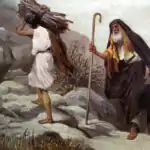
- Pictures or drawings of Abraham, Isaac, and Jacob
- Flash cards with key Bible verses
- Story chart or storyboard of Jacob’s life
- Map showing movement from Canaan to Haran
- Audio recording of the Bible story
Rationale for the Lesson
To help pupils understand how God keeps His promises by showing how Jacob’s life fulfilled God’s promise to Abraham.
Prerequisite/Previous Knowledge
Pupils have been introduced to the story of Abraham and God’s promise to make his descendants a great nation.
Lesson Content
The Fulfillment Of The Promise
God promised Abraham that his children would become a great nation. This promise began to come true through Abraham’s grandson, Jacob. God kept His word, and Jacob’s life shows how.
Memory Verse: Your descendants will be like the dust of the earth. — Genesis 28:14
Bible Readings
- Genesis 25:19–34
- Genesis 28:10–22
- Genesis 32:22–32
- Genesis 35:9–15
Jacob, the Grandson of Abraham
Jacob was the son of Isaac and the grandson of Abraham. God chose Jacob to carry on the promise He made to Abraham. Jacob had twelve sons, and they became the heads of the twelve tribes of Israel.
When Jacob was young, he left his home to go to Haran. On his journey, he had a dream where God told him that He would bless him and make his children many, just like He promised Abraham.
Lessons from the Story of Jacob
- God always keeps His promises.
- God can use anyone for His plan.
- Trusting God brings blessings.
- Jacob became the father of a great people, just like God promised.
Teaching Methods
To deliver this lesson, the teacher will adopt the following methods: Storytelling, Explanation, Discussion, Question and Answer, Use of Visual Aids
Instructional Procedures
To deliver this lesson, the teacher will adopt the following steps:
Step 1: Introduction
Time: 5 mins
Teaching Skill: Set Induction
Teacher’s Activity: Narrates a short story of promises between friends and asks pupils if they have ever made or received promises.
Pupils’ Activity: Respond to questions and share their experiences.
Learning Point: Builds connection with lesson on promises.
Step 2: Jacob, Grandson of Abraham
Time: 7 mins
Teaching Skill: Storytelling
Teacher’s Activity: Tells pupils how Jacob was born and chosen by God, showing pictures of Abraham’s family.
Pupils’ Activity: Listen and identify characters in the pictures.
Learning Point: Learns about Jacob as Abraham’s grandson.
Step 3: Jacob’s Dream at Bethel
Time: 7 mins
Teaching Skill: Explanation
Teacher’s Activity: Explains Jacob’s dream using Bible verses and visuals of ladder and angels.
Pupils’ Activity: Listen, read verses, and ask questions.
Learning Point: Understands Jacob’s experience with God.
Step 4: Jacob’s Family and the Promise
Time: 6 mins
Teaching Skill: Visual Aids
Teacher’s Activity: Uses chart to show Jacob’s 12 sons and explains how each became a tribe in Israel.
Pupils’ Activity: View chart and name the tribes.
Learning Point: Learns how God’s promise started to come true.
Step 5: Lessons from Jacob’s Life
Time: 5 mins
Teaching Skill: Discussion
Teacher’s Activity: Leads discussion on the lessons from Jacob’s story and writes pupils’ responses on the board.
Pupils’ Activity: Give lessons they learned from the story.
Learning Point: Applies moral and spiritual values from lesson.
Step 6: Note Taking
Time: 3 mins
Teaching Skill: Writing
Teacher’s Activity: Writes summary note on board and guides pupils to copy into notebooks.
Pupils’ Activity: Copy note.
Learning Point: Retains key lesson facts.
Step 7: Evaluation
Time: 4 mins
Teaching Skill: Assessment
Teacher’s Activity: Asks pupils oral questions based on Jacob’s life and God’s promise.
Pupils’ Activity: Answer questions.
Learning Point: Checks pupils’ understanding.
Step 8: Conclusion
Time: 3 mins
Teaching Skill: Cognitive, Social
Teacher’s Activity: Recaps the main points and asks pupils to say one thing they will always remember about Jacob and God’s promise.
Pupils’ Activity: Respond and sing a related Bible song.
Learning Point: Reinforces learning and encourages participation.
Home Task: Write one lesson learned about The Fulfillment Of The Promise and one suitable way to apply the teaching responsibly.
Lesson Keywords
- Promise – A sure word someone gives to do something
- Descendants – Children and grandchildren that come after someone
- Tribe – A big family group
- Dream – A vision seen while sleeping
- Faithfulness – Always keeping your word or promise
Lesson Evaluation
To evaluate the learning, the teacher asks pupils to:
- Who was Jacob?
- What did Jacob see in his dream?
- How many sons did Jacob have?
- Mention one way God’s promise to Abraham came true.
- What lesson did you learn from Jacob’s life?
Differentiation
Teacher uses simple language, pictures, and stories to help all learners understand. Pupils with learning needs will be given extra attention during group activities.
Note for teachers using this lesson plan
Use visual storytelling to make Jacob’s story come alive. Emphasize God’s faithfulness through actions and discussions. Relate the story to pupils’ everyday experiences.


Community Join the conversation Open discussion +