

Class: Primary 2
Term: 3rd Term
Week: 9
Age: 8 years
Duration: 40 minutes
Subject: Christian Religion Studies
Curriculum Theme: Christian Religion Studies
Previous Lesson: Entry Into The Promise Land
Topic: The Twelve Stones
Content/Learning Area: The Twelve Stones
Performance Objectives
By the end of the lesson, pupils should be able to:
Cognitive Domain:
Explain how the Israelites crossed the Jordan River and what they did with the twelve stones.
Affective Domain:
Show appreciation for God’s power in helping the Israelites cross the river.
Psychomotor Domain:
Identify the twelve stones in a drawing or diagram.
Social Domain:
Participate in group discussions about the event and its importance to Christians.
Reference Materials
The following resources were used in planning this lesson:
- 9 Years Basic Education Curriculum
- Abuja Educational Resource Centre Scheme of Work
- NAPPS National Unified Scheme of Work
- Online Information from: wikipedia – Twelve Stones
- Relevant Textbooks
Instructional Materials
The teacher will teach this lesson with the aid of:
- Holy Bible
- A large drawing of the Jordan River and the twelve stones
- Flashcards with key words
- Pictures or printouts of Joshua and the Israelites
- Chart showing the twelve tribes of Israel
- Chalkboard and chalk
Rationale for the Lesson
To help pupils understand how God showed His power when the Israelites crossed the Jordan River and how the twelve stones served as a reminder.
Prerequisite/Previous Knowledge
Pupils have been taught about how God delivered the Israelites from Egypt and helped them in the wilderness.
Lesson Content
The Twelve Stones
The Israelites crossed the Jordan River with God’s help. After crossing, they set up twelve stones as a memorial to remember what God did for them.
Memory Verse: That this may be a sign among you, that when your children ask their fathers in time to come, saying, What mean ye by these stones?” — Joshua 4:6
Bible Readings
- Joshua 3:14–17
- Joshua 4:1–9
How the Israelites Crossed the Jordan
God told Joshua to lead the people across the Jordan River into the land He promised them. The priests carried the Ark of the Covenant and stepped into the river. As soon as their feet touched the water, the river stopped flowing. The people walked across on dry ground.
All the Israelites crossed safely while the priests stood in the riverbed holding the ark.
Setting Up the Twelve Stones
After they crossed, God told Joshua to choose one man from each of the twelve tribes. Each man picked a stone from the middle of the river where the priests had stood. They took the stones to their camp and built a memorial.
Importance of the Twelve Stones
The stones were a sign and a reminder to the Israelites and their children. They showed that God is powerful and helped His people. The stones helped them remember God’s great work.
Teaching Methods
To deliver this lesson, the teacher will adopt the following methods: Storytelling, Explanation, Discussion, Visual Aids, Questioning, Group Work
Instructional Procedures
To deliver this lesson, the teacher will adopt the following steps:
Step 1: Introduction
Time: 5 mins
Teaching Skill: Set Induction
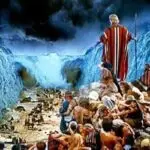
Teacher’s Activity: Begins with a short story about how God helped Moses part the Red Sea. Asks pupils if they know other water crossing stories in the Bible.
Pupils’ Activity: Pupils listen and try to recall related stories from previous lessons
Learning Point: Builds interest and connects prior knowledge
Step 2: Crossing the Jordan
Time: 7 mins
Teaching Skill: Storytelling
Teacher’s Activity: Reads from Joshua 3:14–17 and explains how the priests stepped into the river and the water stopped flowing.
Pupils’ Activity: Pupils listen attentively and ask questions
Learning Point: Learns how the Israelites crossed the Jordan
Step 3: The Twelve Stones
Time: 8 mins
Teaching Skill: Explanation
Teacher’s Activity: Reads from Joshua 4:1–9 and explains how the twelve stones were taken and set up as a memorial by twelve men from each tribe.
Pupils’ Activity: Pupils identify the stones in the diagram and listen to the explanation
Learning Point: Understands the event and the action taken
Step 4: Importance of the Stones
Time: 5 mins
Teaching Skill: Discussion
Teacher’s Activity: Leads a class discussion on why the stones were important and what they reminded the Israelites about.
Pupils’ Activity: Pupils share their ideas on why remembering God’s help is important
Learning Point: Realizes the value of remembering God’s deeds
Step 5: Note Taking
Time: 5 mins
Teaching Skill: Writing
Teacher’s Activity: Writes summary notes on the board for pupils to copy into their notebooks.
Pupils’ Activity: Pupils copy the notes into their books
Learning Point: Retains and organizes key lesson ideas
Step 5: Evaluation
Time: 5 mins
Teaching Skill: Assessment
Teacher’s Activity: Asks pupils questions on how the Israelites crossed the Jordan and why they set up the stones.
Pupils’ Activity: Pupils respond with answers and examples
Learning Point: Measures understanding of the topic
Step 6: Conclusion
Time: 5 mins
Teaching Skill: Cognitive, Social
Teacher’s Activity: Reviews key points of the lesson, encourages pupils to always remember God’s help, and leads a closing prayer.
Pupils’ Activity: Pupils participate in the review and join in prayer
Learning Point: Reinforces moral and spiritual understanding
Home Task: Write one lesson learned about The Twelve Stones and one suitable way to apply the teaching responsibly.
Lesson Keywords
- Israelites – God’s chosen people
- Jordan River – A big river the Israelites crossed
- Ark of the Covenant – A holy box carried by priests
- Memorial – Something that helps people remember
- Tribe – A group or family from the same ancestor
Lesson Evaluation
To evaluate the learning, the teacher asks pupils to:
- How did the Israelites cross the Jordan River?
- Who carried the Ark of the Covenant?
- What happened when the priests stepped into the river?
- What did the Israelites do with the twelve stones?
- Why did God ask them to set up the stones?
- Recite the memory verse.
Differentiation
The teacher will use pictures, simplified explanations, and guided group work to support learners of all abilities.
Note for teachers using this lesson plan
Use visual aids and diagrams to help explain the story. Emphasize the importance of memory in spiritual life by asking pupils what they remember God has done for them.


Community Join the conversation Open discussion +