

Note for teachers using this lesson plan
This lesson introduces Primary 1 pupils to the concept of a secure environment and personal safety. Prepare relevant pictures depicting safe and unsafe situations to facilitate discussion. Emphasise the importance of reporting unsafe situations to trusted adults and simple ways pupils can contribute to their own safety and that of their surroundings. By the end of the lesson, pupils should be able to identify dangers and understand basic safety measures.
Class: Primary 1
Term: Third Term
Week: 5
Age: 6 years
Duration: 45 minutes
Subject: Social and Citizenship Studies
Curriculum Theme: Environment and Sustainability
Focal competence: Contributing to the well-being of their classroom and school environment
Key competencies/values: Communication; Collaboration
Skills:
- Identifying the sources of danger and insecurity in the community
Previous Lesson: Help, situations of danger and people to approach
Topic: Secure Environment
Subject Matter: Meaning of security/secure environment, sources of insecurity and simple ways to stay safe
Specific Objectives
By the end of the lesson, pupils/students should be able to:
Cognitive Domain
- Explain the meaning of a secure environment.
- Identify sources of danger and insecurity.
- State simple ways to help keep the environment secure.
- Identify who to contact during an emergency.
Affective Domain
- Explain why a secure environment is important to everyone.
Psychomotor Domain
- Demonstrate how to report an unsafe situation to a trusted adult.
Social Domain
- Collaborate with classmates to identify safe and unsafe situations.
Reference Materials
The following resources were used in planning this lesson:
- 2025 Revised 9 Years Basic Education Curriculum
- Relevant State Unified Scheme of Work
- Social and Citizenship Studies for Primary 1, Pupil’s Book
- The HeadTeacher Scheme of work
Instructional Materials
The teacher will teach this lesson with the aid of:
- Relevant pictures showing safe and unsafe situations (e.g., a child playing safely, a broken fence, a stranger offering sweets).
- Scenario cards depicting different safety situations.
- Chart paper for class discussion.
Rationale for the Lesson
This lesson is important for Primary 1 pupils as it teaches them fundamental concepts of personal safety and environmental security. Understanding what makes an environment secure helps pupils protect themselves from potential dangers. It also empowers them to take simple actions and report unsafe situations, contributing to their overall well-being.
Prerequisite/Previous Knowledge
Pupils are familiar with their immediate environment at home and school and can identify some basic rules for playing safely.
Lesson Content/Board Summary
Secure Environment
Meaning of a Secure Environment
A secure environment is a safe place where people are free from danger, harm, or fear. It is a place where we can live, learn, and play without being afraid.
Sources of Insecurity/Danger
Sources of insecurity are things or situations that can cause harm or make us feel unsafe. These can include:
- Broken fences or gates.
- Unsupervised electrical wires or sockets.
- Sharp objects left carelessly.
- Strangers in the school or home environment.
- Bullying from other children.
- Playing in dangerous places like busy roads or abandoned buildings.
Features of a Safe Environment (Home, School, Community)
A safe environment has features that protect us. These include:
- At Home: Locked doors and gates, clean surroundings, safe storage of dangerous items.
- At School: Fenced compounds, clean classrooms, watchful teachers, clear walkways.
- In the Community: Well-lit streets, trusted neighbours, safe play areas, police presence.
Unsafe Situations to Report
Pupils should always report any situation that makes them feel unsafe or could cause harm. Examples include:
- Seeing a stranger trying to enter the school compound.
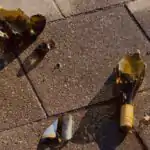
- Finding a sharp object or broken glass.
- Someone touching them in a way that makes them uncomfortable.
- Being bullied by another child.
- Seeing a fire or smoke.
Simple Ways to Keep the Environment Secure and Stay Safe
Everyone can help keep their environment secure and stay safe. Simple ways include:
- Always keeping doors and gates closed or locked when necessary.
- Not playing with electrical sockets or wires.
- Putting away sharp objects after use.
- Not talking to or accepting gifts from strangers.
- Walking on designated walkways and not running on busy roads.
- Reporting any broken things or unsafe areas to an adult.
Role of Trusted Adults in Security
Trusted adults are people who care for us and can help keep us safe. They include:
- Parents and guardians.
- Teachers and school staff.
- Police officers.
- Family members like aunties and uncles.
It is important to tell a trusted adult if you feel unsafe or see something dangerous.
Importance of a Secure Environment
A secure environment is important because it:
- Helps us feel happy and relaxed.
- Allows us to learn and play without fear.
- Protects us from harm and injury.
- Promotes peace and good health.
Who to Contact During an Emergency
In an emergency, it is important to contact a trusted adult immediately. This could be your parent, teacher, or guardian. For serious emergencies, trusted adults can contact emergency services like the police or fire service.
Teaching Methods/Instructional Techniques
Discussion, Demonstration, Guided Practice, Question and Answer, Explanation, Observation, Role-play.
Instructional Procedures
Step 1: Introduction
Time: 5 minutes
Teaching Skill: Storytelling/Engagement
Teacher’s Activity: The teacher greets the pupils and tells a short story about a child who felt safe playing in their home. The teacher then asks pupils what makes them feel safe.
Pupils’ Activity: Pupils respond to the teacher’s questions and share their experiences of feeling safe.
Learning Point: Introduction to security
Step 2: Meaning of a Secure Environment
Time: 7 minutes
Teaching Skill: Explanation/Discussion
Teacher’s Activity: The teacher shows pictures of both secure and insecure environments and discusses the meaning of a “secure environment” with the pupils, using simple language. The teacher asks pupils to identify what makes each picture safe or unsafe.
Pupils’ Activity: Pupils observe the pictures, participate in the discussion, and explain what a secure environment means in their own words.
Learning Point: Meaning of secure environment
Step 3: Sources of Insecurity/Danger
Time: 8 minutes
Teaching Skill: Questioning/Identification
Teacher’s Activity: The teacher presents various scenario cards or pictures showing potential dangers (e.g., broken glass, a stranger, a hole in a fence). The teacher asks pupils to identify the dangers in each scenario and discuss why they are unsafe.
Pupils’ Activity: Pupils identify dangers in the pictures/scenarios and explain why they are sources of insecurity.
Learning Point: Sources of insecurity
Step 4: Features of a Safe Environment
Time: 7 minutes
Teaching Skill: Guided Discussion
Teacher’s Activity: The teacher guides a discussion on what makes their home, school, and community safe. The teacher encourages pupils to mention specific features like fences, watchful adults, and clean areas.
Pupils’ Activity: Pupils share features that make their home, school, and community safe.
Learning Point: Features of safe places
Step 5: Unsafe Situations to Report and Trusted Adults
Time: 6 minutes
Teaching Skill: Role-play/Demonstration
Teacher’s Activity: The teacher discusses different unsafe situations that pupils should report. The teacher then introduces the concept of “trusted adults” and asks pupils to name some. The teacher models how to report an unsafe situation to a trusted adult.
Pupils’ Activity: Pupils name trusted adults and practice, through role-play, reporting an unsafe situation to a teacher.
Learning Point: Reporting unsafe situations
Step 6: Simple Ways to Keep the Environment Secure
Time: 5 minutes
Teaching Skill: Practical Application
Teacher’s Activity: The teacher discusses simple actions pupils can take to keep their environment secure, such as closing gates, not playing with dangerous items, and not talking to strangers. The teacher reinforces these actions with practical examples.
Pupils’ Activity: Pupils state simple ways they can help keep their environment secure and stay safe.
Learning Point: Ways to stay safe
Step 7: Evaluation/Review
Time: 5 minutes
Teaching Skill: Questioning/Assessment
Teacher’s Activity: The teacher evaluates the learning by asking the following questions:
- What is a secure environment?
- Mention two things that can make an environment unsafe.
- Who is a trusted adult?
- State one way you can help keep your school safe.
Pupils’ Activity: Pupils answer orally and in writing.
Learning Point: Lesson understanding
Step 8: Note-Taking
Time: 4 minutes
Teaching Skill: Guided Writing
Teacher’s Activity: The teacher guides pupils to copy the essential Board Summary notes on secure environment and safety measures into their notebooks.
Pupils’ Activity: Pupils copy the notes carefully into their notebooks.
Learning Point: Secure environment notes
Step 9: Conclusion
Time: 3 minutes
Teaching Skill: Summarisation
Teacher’s Activity: The teacher summarises the importance of a secure environment and reminds pupils to always be watchful and report anything that makes them feel unsafe to a trusted adult.
Pupils’ Activity: Pupils listen attentively and repeat key safety messages.
Learning Point: Importance of security
Continuous Assessment/Further Study
Type: Homework
Instruction: Draw and colour two pictures: one showing a safe place and another showing an unsafe place. Label the dangers in the unsafe picture.
- Draw a picture of your home showing how it is safe.
- Draw a picture of something that could be unsafe in your community and explain who you would tell.
Lesson Keywords
- Secure – Safe and protected from danger.
- Environment – Our surroundings, like home, school, or community.
- Insecurity – The state of being unsafe or exposed to danger.
- Danger – Something that can cause harm or injury.
- Trusted Adult – An adult you can rely on for help and safety, like a parent or teacher.
Differentiation
Support for Weaker Learners: Provide pre-printed pictures or templates for drawing activities. Pair them with faster learners for discussion and reporting role-play. Use simpler language and repeat key concepts.
Extension for Faster Learners: Encourage them to identify more complex sources of insecurity or suggest additional safety measures. They can also create short safety jingles or posters.
Suggested Lesson Videos
For further understanding and visual examples, search on YouTube for: primary 1 secure environment safety nigeria
Teacher Guide for Using This Lesson Plan
Before the lesson, gather a variety of clear, age-appropriate pictures or scenario cards depicting both safe and unsafe situations. Ensure you have chart paper ready for any class discussions. Begin by engaging pupils with a story or simple questions to activate their prior knowledge about safety. When discussing sources of insecurity, ensure examples are relatable but not overly frightening for young children. Emphasise the role of trusted adults and provide opportunities for pupils to practice reporting unsafe situations through simple role-play. Guide pupils clearly on what notes to copy from the board summary during the note-taking stage. Throughout the lesson, reinforce the message that safety is everyone’s responsibility and that communication with trusted adults is key.
Community Join the conversation Open discussion +