

Note for teachers using this lesson plan
This lesson is a revision of the meaning and types of marriage for Primary 1 pupils. Ensure you have relevant pictures, realia, or scenario cards ready to facilitate the review and identification activities. Encourage all pupils to participate in the oral discussions and picture identification. By the end of the lesson, pupils should be able to clearly explain what marriage means at their level and identify the types of marriage previously taught.
Class: Primary One
Term: Second Term
Week: 1
Age: Approximately 6 years
Duration: 45 minutes
Subject: Social and Citizenship Studies
Curriculum Theme: Family and Community Life
Focal competence: Showing greater affection, kindness and gratitude towards family members
Key competencies/values: Information Literacy; ICT and Digital Competencies
Skills:
- Identifying objects used in contracting marriage
Previous Lesson:
Topic: Revision Of Marriage
Subject Matter: Meaning and types of marriage needed for the continuing work on how marriage is contracted
Specific Objectives
By the end of the lesson, pupils/students should be able to:
Cognitive Domain
- Explain the meaning of marriage at the taught level.
- Identify the types of marriage already taught.
Reference Materials
The following resources were used in planning this lesson:
- 2025 Revised 9 Years Basic Education Curriculum
- Relevant State Unified Scheme of Work
- Social and Citizenship Studies for Primary 1, Pupil’s Book
- The HeadTeacher Scheme of work
Instructional Materials
The teacher will teach this lesson with the aid of:
- Items/objects used in marriage (e.g., kola nuts, rings, traditional attire pictures)
- Relevant pictures showing different types of marriage ceremonies
- Scenario cards depicting family life
- Chart paper for class discussion
- Whiteboard/Blackboard and markers/chalk
Rationale for the Lesson
This revision lesson is important to ensure pupils have a clear understanding of marriage as a foundation for family and community life. Reinforcing these concepts helps pupils appreciate family structures and the roles within them. It also prepares them for further topics related to how families are formed and maintained.
Prerequisite/Previous Knowledge
Pupils have been previously taught the meaning of marriage and different types of marriage in Social and Citizenship Studies.
Lesson Content/Board Summary
Revision Of Marriage
Meaning of Marriage
Marriage is when a man and a woman agree to live together as husband and wife. It is the beginning of a new family.
Types of Marriage
There are different ways people get married. The main types of marriage we have learned are:
- Traditional Marriage (Customary Marriage): This is marriage done according to the customs and traditions of a people.
- Church/Court Marriage (Christian or Civil Marriage): This is marriage done in a church or at a government registry (court).
Family Members Connected with Marriage
When a man and a woman marry, they become husband and wife. They live together and can have children, forming a family. The family members include the father, mother, and children.
Importance of Care, Responsibility, and Cooperation in Marriage
In a marriage and family, it is important for everyone to:
- Show love and care for each other.
- Be responsible for their duties.
- Work together (cooperate) to make the family happy and strong.
Teaching Methods/Instructional Techniques
Discussion, Question and Answer, Explanation, Picture Identification, Oral Review
Instructional Procedures
Step 1: Introduction
Time: 5 minutes
Teaching Skill: Activating prior knowledge
Teacher’s Activity: The teacher greets the pupils and reminds them about the previous lesson on marriage. The teacher then tells them that today’s lesson will be a revision of the meaning and types of marriage.
Pupils’ Activity: Pupils respond to greetings and listen attentively.
Learning Point: Prior knowledge activation
Step 2: Review of Meaning of Marriage
Time: 8 minutes
Teaching Skill: Oral questioning/Recall
Teacher’s Activity: The teacher asks pupils to explain what marriage means in their own words. The teacher guides them to recall the simple definition of marriage as taught previously.
Pupils’ Activity: Pupils share their understanding of marriage and listen to the teacher’s guidance.
Learning Point: Marriage meaning recall
Step 3: Review of Types of Marriage
Time: 8 minutes
Teaching Skill: Picture identification/Discussion
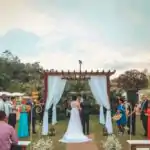
Teacher’s Activity: The teacher shows pictures of traditional and church/court marriage ceremonies. The teacher asks pupils to identify the types of marriage shown and name other types they have learned.
Pupils’ Activity: Pupils identify the types of marriage from the pictures and name the types they remember.
Learning Point: Marriage types identification
Step 4: Family Members Connected with Marriage
Time: 7 minutes
Teaching Skill: Explanation/Interaction
Teacher’s Activity: The teacher discusses with pupils who gets married (a man and a woman) and how they form a new family (husband, wife, and later children). The teacher asks pupils to mention members of a family.
Pupils’ Activity: Pupils participate in the discussion and mention family members.
Learning Point: Family members identification
Step 5: Importance of Care and Responsibility
Time: 7 minutes
Teaching Skill: Explanation/Value reinforcement
Teacher’s Activity: The teacher explains why it is important for family members to show care, be responsible, and cooperate with each other to have a happy home. The teacher gives simple examples.
Pupils’ Activity: Pupils listen and understand the importance of family values.
Learning Point: Family cooperation importance
Step 6: Activity: Picture Identification
Time: 5 minutes
Teaching Skill: Visual reinforcement
Teacher’s Activity: The teacher presents various pictures or scenario cards related to marriage (e.g., a couple getting married, a family eating together) and asks pupils to identify what each picture shows about marriage or family life.
Pupils’ Activity: Pupils identify and describe what they see in the pictures.
Learning Point: Visual concept reinforcement
Step 7: Evaluation/Review
Time: 5 minutes
Teaching Skill: Questioning/Assessment
Teacher’s Activity: The teacher evaluates the learning by asking the following questions:
- What is marriage?
- Mention two types of marriage you know.
- Who are the main people involved in marriage?
- Why is it important for family members to care for each other?
Pupils’ Activity: Pupils answer orally and in writing.
Learning Point: Understanding assessment
Step 8: Conclusion
Time: 2 minutes
Teaching Skill: Consolidation
Teacher’s Activity: The teacher briefly summarises the main points of the revision lesson, commends the pupils for their participation, and encourages them to continue showing love and care in their own families.
Pupils’ Activity: Pupils listen and affirm their understanding.
Learning Point: Lesson consolidation
Lesson Keywords
- Marriage – When a man and woman become husband and wife.
- Husband – A married man.
- Wife – A married woman.
- Types – Different forms or ways.
- Family – A group of people related by blood or marriage.
- Care – Showing kindness and concern for others.
- Responsibility – Having a duty to do something.
Differentiation
For pupils who need more support, the teacher will use simpler language, provide more visual aids, and allow them to work in pairs. For faster learners, the teacher will encourage them to give more examples of care and responsibility within a family or describe what makes a happy family.
Suggested Lesson Videos
For further visual learning, search on YouTube for: Meaning and Types of Marriage for Primary 1 Social Studies
Teacher Guide for Using This Lesson Plan
Before the lesson, prepare your instructional materials, especially clear pictures or objects related to marriage and family life. Begin by engaging pupils with a brief oral review to activate their prior knowledge. Follow the instructional procedures, dedicating sufficient time to each step, especially the review of meaning and types of marriage. Encourage active participation through questions and discussions. Use the picture identification activity to reinforce understanding visually. Since this is a revision lesson, focus on recall and reinforcement rather than introducing new content. Ensure that all pupils have a clear understanding by the end of the evaluation. There is no note-taking step for a revision lesson. Conclude by consolidating the main ideas and reinforcing the importance of family values.


Community Join the conversation Open discussion +