

Note for teachers using this lesson plan
Before this lesson, gather various types of footwear (sandals, shoes, slippers, boots) if possible, or clear pictures of them. Also, have a clean and a slightly dirty shoe/sandal to demonstrate the difference. The central idea is for pupils to understand that footwear protects their feet and that keeping it clean is important for health and neatness. Observe pupils’ ability to identify different footwear and state a simple reason for wearing clean shoes.
Class: Pre-School Level 3
Term: Third Term
Week: 6
Age: 4 years
Duration: 30 minutes
Subject: Health Habits
Curriculum Theme: Health Habits
Previous Lesson: Proper handwashing
Topic: CLEAN FOOTWEAR: TYPES, PURPOSE AND IMPORTANCE
Subject Matter: CLEANLINESS: FOOT-WEARS. Weekly focus: Clean Footwear: Types, Purpose and Importance.
Specific Objectives
By the end of the lesson, pupils should be able to:
Cognitive Domain
- Identify different types of footwear.
- State the purpose of wearing footwear.
- Explain why it is important to wear clean footwear.
Affective Domain
- Show willingness to wear clean footwear.
- Appreciate the importance of personal hygiene, specifically foot care.
Psychomotor Domain
- Point to different types of footwear when named.
- Participate in a simple action rhyme about clean footwear.
Social Domain
- Discuss with peers the types and importance of footwear.
Reference Materials
- NAPPS National Unified Teaching Scheme for Pre-School Level 3
- Early Childhood Care and Education resources on hygiene
Instructional Materials
- Real examples of footwear: sandals, shoes, slippers, boots (clean and a slightly dirty one for comparison)
- Pictures or charts showing various types of footwear
- Cleaning materials: small brush, cloth, water (for demonstration)
- Posters illustrating clean and dirty feet/footwear
Rationale for the Lesson
This lesson is important for 4-year-olds as it teaches them practical hygiene habits related to their feet and footwear. Understanding the purpose and importance of clean footwear helps children protect themselves from germs, stay healthy, and develop good self-care routines from an early age. It connects directly to their daily experiences of wearing shoes to school and playing.
Prerequisite/Previous Knowledge
Pupils can identify parts of their body, including their feet, and have learned about basic hygiene practices like washing hands. They also see different types of footwear being worn by people around them.
Lesson Content/Board Summary
CLEAN FOOTWEAR: TYPES, PURPOSE AND IMPORTANCE
What is Footwear?
Footwear are things we wear on our feet to protect them.
Purpose of Wearing Footwear
- To protect our feet from dirt, sharp objects, heat, and cold.
- To keep our feet clean and healthy.
- To make us look neat and tidy.
Types of Footwear
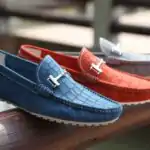
- Sandals: Open shoes, good for warm weather.
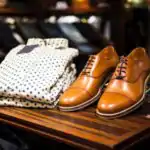
- Shoes: Cover the whole foot, good for school and playing.
- Slippers: Soft, worn at home.
- Boots: Cover up to the ankle or higher, good for rain and mud.
Importance of Wearing Clean Footwear
- It helps to prevent germs from making our feet sick.
- It keeps our feet smelling fresh and nice.
- It makes us look smart and well-cared for.
- It shows that we take care of our bodies.
Clean Feet, Happy Feet Rhyme
Tune: Twinkle, Twinkle Little Star
Lyrics:
Shoes on feet, keep them neat,
Walking safely down the street.
Sandals, slippers, boots so grand,
Protect our feet across the land.
Wash them clean, oh what a treat,
Happy, healthy little feet!
Actions: Point to feet, pretend to walk, show different types of footwear with hands, pretend to wash, clap.
Key Words
- Footwear – things we wear on our feet.
- Sandals – open shoes.
- Shoes – cover the whole foot.
- Slippers – soft shoes for home.
- Clean – free from dirt.
- Protect – keep safe.
💡 Teacher Guide for Using This Board Summary
How to teach the content: Begin by asking pupils what they wear on their feet. Introduce the term “footwear” and discuss its purpose using simple language. Show real examples or clear pictures of each type of footwear (sandals, shoes, slippers, boots), asking pupils to name them and describe when they might wear each. Use a clean and a slightly dirty shoe to visually demonstrate the importance of cleanliness. Emphasize how germs can hide in dirty shoes and make feet sick.
What to show or demonstrate: Display the various types of footwear or their pictures. Show how to gently wipe a shoe with a cloth as a simple cleaning action. Use the clean/dirty shoe comparison to highlight the difference.
How to use the rhyme/song: Introduce the “Clean Feet, Happy Feet” rhyme after discussing the types and importance of clean footwear. Sing it slowly first, demonstrating the actions. Repeat the rhyme 2-3 times, encouraging pupils to join in with the words and actions. Praise their participation.
What to watch for: Observe if pupils can correctly identify the different types of footwear and if they can articulate a simple reason for wearing shoes (e.g., “to protect feet”) and for keeping them clean (e.g., “no germs”). Correct any misconceptions about footwear types or hygiene.
Teaching Methods/Instructional Techniques
- Play-based Learning
- Demonstration
- Guided Practice
- Songs and Rhymes
- Picture Talk
- Question and Answer
- Manipulation of Objects
- Repetition
Instructional Procedures
Step 1: Introduction
Time: 3 minutes
Teaching Skill: Engagement/Recall
Teacher’s Activity: The teacher greets the pupils and leads them in a short song about body parts, pointing to their feet. The teacher then asks, “What do we wear on our feet when we go outside or to school?”
Pupils’ Activity: Pupils sing along and point to their feet. They respond by saying “shoes” or “sandals.”
Learning Point: Pupils recall their feet and identify common items worn on them.
Step 2: Discussing the Purpose of Footwear
Time: 5 minutes
Teaching Skill: Explanation/Discussion
Teacher’s Activity: The teacher shows a pair of shoes and asks, “Why do we wear these? What do they do for our feet?” The teacher guides the discussion to explain that footwear protects our feet from dirt, sharp things, and keeps them clean.
Pupils’ Activity: Pupils share their ideas (e.g., “to walk,” “to protect”). They listen to the teacher’s explanation about protection and cleanliness.
Learning Point: Pupils understand that footwear protects their feet and keeps them clean.
Step 3: Identifying Types of Footwear
Time: 6 minutes
Teaching Skill: Identification/Classification
Teacher’s Activity: The teacher displays various types of footwear (real objects or pictures): sandals, shoes, slippers, and boots. The teacher names each type and briefly explains when we wear them. “This is a sandal, we wear it when it’s hot. This is a shoe, we wear it to school.”
Pupils’ Activity: Pupils look at the footwear, listen to the names, and repeat the names after the teacher. They point to the different types as the teacher names them.
Learning Point: Pupils can identify and name different types of footwear.
Step 4: Discussing the Importance of Clean Footwear
Time: 4 minutes
Teaching Skill: Concept Building/Comparison
Teacher’s Activity: The teacher shows a clean shoe and a slightly dirty shoe. “Which one looks nicer? Which one do you think is healthier?” The teacher explains that dirty shoes can carry germs and make our feet sick, while clean shoes keep us healthy and look smart.
Pupils’ Activity: Pupils observe the shoes and respond to the questions. They listen to the explanation about germs and health.
Learning Point: Pupils understand that clean footwear is important for health and neat appearance.
Step 5: Rhyme Time and Actions
Time: 4 minutes
Teaching Skill: Reinforcement/Movement
Teacher’s Activity: The teacher introduces the “Clean Feet, Happy Feet” rhyme. The teacher sings the rhyme once, demonstrating the actions. Then, the teacher leads the pupils in singing the rhyme with actions 2-3 times, encouraging full participation.
Pupils’ Activity: Pupils listen to the rhyme, then join in singing and performing the actions with the teacher.
Learning Point: Pupils reinforce their understanding of clean footwear through song and movement.
Step 6: Practical Application/Activity
Time: 4 minutes
Teaching Skill: Application/Demonstration
Teacher’s Activity: The teacher asks pupils to point to their own shoes (if they are wearing them) and asks, “Are your shoes clean today?” The teacher may demonstrate a simple action of wiping a shoe with a cloth and encourages pupils to try a similar action on their own shoes or pretend to.
Pupils’ Activity: Pupils check their shoes and respond. They imitate the teacher’s wiping action or pretend to clean their shoes.
Learning Point: Pupils apply the concept of clean footwear to their own items and practice a simple cleaning action.
Step 7: Evaluation/Review
Time: 4–5 minutes
Teaching Skill: Questioning/Assessment
Teacher’s Activity: The teacher checks pupils’ understanding through short questions and practical tasks.
- “What do we call the things we wear on our feet?”
- “Show me a picture of a sandal/shoe/slipper.”
- “Why do we wear shoes?” (e.g., “to protect our feet”)
- “Why is it good to have clean shoes?” (e.g., “no germs,” “look nice”)
Pupils’ Activity: Pupils respond orally and demonstrate the required skill where appropriate (e.g., pointing to pictures).
Learning Point: Pupils demonstrate understanding of the lesson.
Step 8: Conclusion
Time: 1 minute
Teaching Skill: Summarization
Teacher’s Activity: The teacher praises the pupils for their participation and reminds them to always wear footwear to protect their feet and keep their footwear clean to stay healthy and smart. “Remember, clean feet and clean shoes make a happy you!”
Pupils’ Activity: Pupils listen and repeat the concluding statement.
Learning Point: Pupils are encouraged to practice good footwear hygiene.
Lesson Keywords
- Footwear – items worn on the feet.
- Sandals – open shoes, often worn in warm weather.
- Shoes – coverings for the feet, typically worn outdoors.
- Slippers – soft, comfortable footwear worn indoors.
- Boots – footwear covering the foot and ankle, sometimes higher, for protection.
- Clean – free from dirt or stains.
- Protect – to keep safe from harm.
Differentiation
- Support: For pupils who struggle, use larger, more distinct pictures of footwear. Provide hand-over-hand guidance to point to the correct footwear. Focus on identifying just two main types (e.g., shoes and sandals) and one simple reason for cleanliness (“no germs”).
- Extension: Encourage advanced pupils to describe where they would wear each type of footwear (e.g., “slippers at home,” “boots in the rain”). Ask them to think of other items they wear to protect their body parts.
Community Join the conversation Open discussion +