

Note for teachers using this lesson plan
Before this lesson, prepare pictures of different body parts and items used for cleaning them (e.g., soap, toothbrush, comb, nail clipper). The central idea is for pupils to understand that keeping their bodies clean helps them stay healthy and look neat. Observe pupils as they identify cleaning practices and match items to body parts, demonstrating their understanding of good grooming.
Class: Pre-School Level 3
Term: First Term
Week: 2
Age: 4 years
Duration: 30 minutes
Subject: Health Habits
Curriculum Theme: Health Habits
Previous Lesson: Not separately stated in the scheme.
Topic: GOOD GROOMING: CLEAN BODY PRACTICES AND HEALTHY HABITS
Subject Matter: Good Grooming: Clean Body Practices and Healthy Habits
Specific Objectives
By the end of the lesson, pupils should be able to:
Cognitive Domain
- Identify at least three practices that keep the body clean.
- Name items used to clean different body parts (e.g., soap for hands, comb for hair).
- State why it is important to keep the body clean.
Affective Domain
- Show willingness to practise good grooming habits.
- Participate actively in discussions about clean body practices.
Psychomotor Domain
- Match pictures of body parts with appropriate cleaning items.
- Demonstrate simple actions like washing hands or combing hair.
Social Domain
- Share ideas about good and bad habits in a group setting.
Reference Materials
- NAPPS National Unified Teaching Scheme for Pre-School Level 3
- Relevant Early Childhood Care and Education resources
Instructional Materials
- Chart showing children practising good grooming (e.g., brushing teeth, bathing, combing hair)
- Posters of different body parts (hands, teeth, hair, nails, body)
- Real objects: bar of soap, small towel, toothbrush, toothpaste, comb, nail clipper
- Pictures of cleaning items
Rationale for the Lesson
This lesson is important for 4-year-olds because it teaches them practical skills for personal hygiene and health. By understanding good grooming, pupils learn to care for their bodies, prevent sickness, and develop a sense of self-care and confidence, which are crucial for their overall development and well-being.Prerequisite/Previous Knowledge
Pupils can identify some basic body parts and are familiar with daily routines like eating and playing.Lesson Content/Board Summary
GOOD GROOMING: CLEAN BODY PRACTICES AND HEALTHY HABITS
What is Good Grooming?
Good grooming means keeping our body clean and tidy. It makes us healthy and look nice.
Why is Good Grooming Important?
- It helps us stay healthy and strong.
- It stops germs from making us sick.
- It makes us look neat and feel good.
How to Keep Our Body Clean
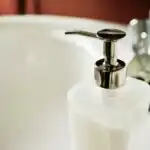
- Hands: Wash with soap and water, especially before eating and after using the toilet.
- Face: Wash with soap and water every morning.
- Teeth: Brush with a toothbrush and toothpaste in the morning and before bed.
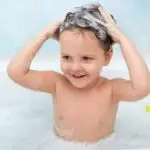
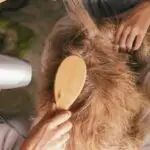
- Hair: Comb our hair to make it neat. Wash with shampoo to keep it clean.
- Nails: Keep our fingernails and toenails short and clean. We use a nail clipper to cut them.
- Body: Bathe every day with soap and water to wash away dirt and sweat.
Good Habits and Bad Habits
- Good Habits: Washing hands, brushing teeth, bathing daily, combing hair, cutting nails.
- Bad Habits: Not washing hands, not brushing teeth, playing in dirty water, biting nails.
Clean Body Song
Tune: “Twinkle, Twinkle Little Star”
Clean, clean body, day by day,
Wash the germs and dirt away.
Brush your teeth and comb your hair,
Good grooming shows you care.
Clean, clean body, day by day,
Healthy, happy, come what may!
Actions: Mimic washing, brushing teeth, combing hair, pointing to self.
Watch and Practise
Key Words
- Grooming – keeping yourself clean and tidy.
- Clean – free from dirt.
- Wash – to clean with water and soap.
- Brush – to clean with a brush.
- Comb – to make hair neat with a comb.
- Bathe – to wash your whole body.
💡 Teacher Guide for Using This Board Summary
How to teach the content: Begin by asking pupils what they do to get ready in the morning. Use the charts and posters to introduce each body part and its corresponding cleaning practice. Explain simply why each practice is important (e.g., “We wash hands to remove germs that can make us sick”). Use real objects to make the explanation concrete and easy to understand.
What to show or demonstrate: Show how to pretend-wash hands, pretend-brush teeth, and pretend-comb hair. Hold up the real soap, toothbrush, comb, and nail clipper as you talk about them. Point to the body parts on the posters.
How to use the rhyme/song: Sing the “Clean Body Song” together with the pupils. Encourage them to do the actions as they sing. Repeat the song several times to help them remember the words and actions.
How to use the video: Introduce the video by telling pupils they will watch other children showing good habits. Play the video, encouraging pupils to watch carefully. After watching, discuss what they saw and ask them to name one good habit from the video. Reinforce the actions shown in the video through simple imitation.
What to watch for: Observe if pupils can identify the correct cleaning items for each body part. Listen for their participation in naming good and bad habits. Correct any misconceptions gently and reinforce positive behaviours.
Teaching Methods/Instructional Techniques
- Play-based Learning
- Demonstration
- Guided Practice
- Songs and Rhymes
- Picture Talk
- Question and Answer
- Manipulation of Objects
- Repetition
- Video Presentation
Instructional Procedures
Step 1: Introduction
Time: 3 minutes
Teaching Skill: Engagement/Greeting
Teacher’s Activity: The teacher greets the pupils warmly and leads them in a short “Good Morning” song. The teacher then asks pupils what they did before coming to school to get ready (e.g., “Did you wash your face? Did you comb your hair?”).
Pupils’ Activity: Pupils respond to greetings and share simple actions they did to get ready.
Learning Point: Pupils are engaged and begin thinking about daily routines.
Step 2: Explanation of Good Grooming
Time: 5 minutes
Teaching Skill: Explanation/Discussion
Teacher’s Activity: The teacher introduces the topic “Good Grooming” and explains its meaning using simple words and the chart. “Good grooming means keeping our body clean and tidy. It helps us stay healthy and look nice.” The teacher asks, “Why do you think it’s good to be clean?”
Pupils’ Activity: Pupils listen attentively and offer simple answers to the question (e.g., “to not be sick,” “to look fine”).
Learning Point: Pupils understand the basic concept and importance of good grooming.
Step 3: Body Parts and Cleaning (Hands, Face, Teeth)
Time: 5 minutes
Teaching Skill: Demonstration/Identification
Teacher’s Activity: The teacher displays posters of hands, face, and teeth. For each, the teacher shows the real cleaning item (soap, toothbrush, toothpaste) and demonstrates the cleaning action. “This is how we wash our hands with soap and water. This is how we brush our teeth.”
Pupils’ Activity: Pupils identify the body parts and cleaning items, then imitate the washing and brushing actions.
Learning Point: Pupils learn specific cleaning practices for hands, face, and teeth.
Step 4: More Body Parts and Cleaning (Hair, Nails, Body)
Time: 5 minutes
Teaching Skill: Demonstration/Matching
Teacher’s Activity: The teacher continues with posters for hair, nails, and the whole body. The teacher shows the comb and nail clipper, explaining their use. “We comb our hair to make it neat. We cut our nails to keep them short and clean.” The teacher emphasizes daily bathing.
Pupils’ Activity: Pupils identify the body parts and tools, and practise pretending to comb their hair and cut their nails.
Learning Point: Pupils learn about caring for hair, nails, and the importance of daily bathing.
Step 5: Good Habits and Bad Habits
Time: 4 minutes
Teaching Skill: Discussion/Classification
Teacher’s Activity: The teacher discusses some good and bad habits related to cleanliness using simple scenarios. “Is it a good habit to wash your hands before eating? Yes! Is it a good habit to bite your nails? No!” The teacher asks pupils to identify more good and bad habits.
Pupils’ Activity: Pupils listen and respond by saying “Good habit!” or “Bad habit!” and give their own examples.
Learning Point: Pupils can differentiate between healthy and unhealthy habits.
Step 6: Reinforcement Activity and Song
Time: 4 minutes
Teaching Skill: Practical Application/Singing
Teacher’s Activity: The teacher leads a quick matching game where pupils match body part pictures to cleaning item pictures. The teacher then leads the class in singing the “Clean Body Song” with actions.
Pupils’ Activity: Pupils participate in the matching game and sing the song with actions.
Learning Point: Pupils reinforce their understanding through a fun activity and song.
Step 7: Evaluation/Review
Time: 4–5 minutes
Teaching Skill: Questioning/Assessment
Teacher’s Activity: The teacher checks pupils’ understanding through short questions and practical tasks.
- “What do we use to brush our teeth?” (Show toothbrush/toothpaste).
- “Show me how you wash your hands.” (Pupils demonstrate).
- “Name one thing we do to keep our hair clean.”
- (Show a picture of dirty hands) “Is this a good habit or a bad habit?”
Pupils’ Activity: Pupils respond orally and demonstrate the required skill where appropriate.
Learning Point: Pupils demonstrate understanding of the lesson.
Step 8: Conclusion
Time: 1 minute
Teaching Skill: Summarization/Encouragement
Teacher’s Activity: The teacher praises the pupils for their participation and reminds them to always practise good grooming habits at home and in school. “Remember to always keep your body clean and tidy!”
Pupils’ Activity: Pupils respond by saying “Yes, teacher!” and promise to keep clean.
Learning Point: Pupils are encouraged to apply the lesson in their daily lives.
Lesson Keywords
- Grooming – keeping yourself clean and tidy.
- Clean – free from dirt.
- Habits – things we do regularly.
- Healthy – strong and not sick.
Differentiation
- Support: For pupils who struggle, use larger pictures of body parts and cleaning items. Provide hand-over-hand guidance for matching activities. Repeat instructions slowly and clearly. Focus on identifying just two key cleaning practices.
- Extension: Encourage advanced pupils to name additional cleaning items or body parts not explicitly covered. Ask them to explain in simple words why a particular bad habit is unhealthy. Have them lead a small group in demonstrating a cleaning action.
Community Join the conversation Open discussion +